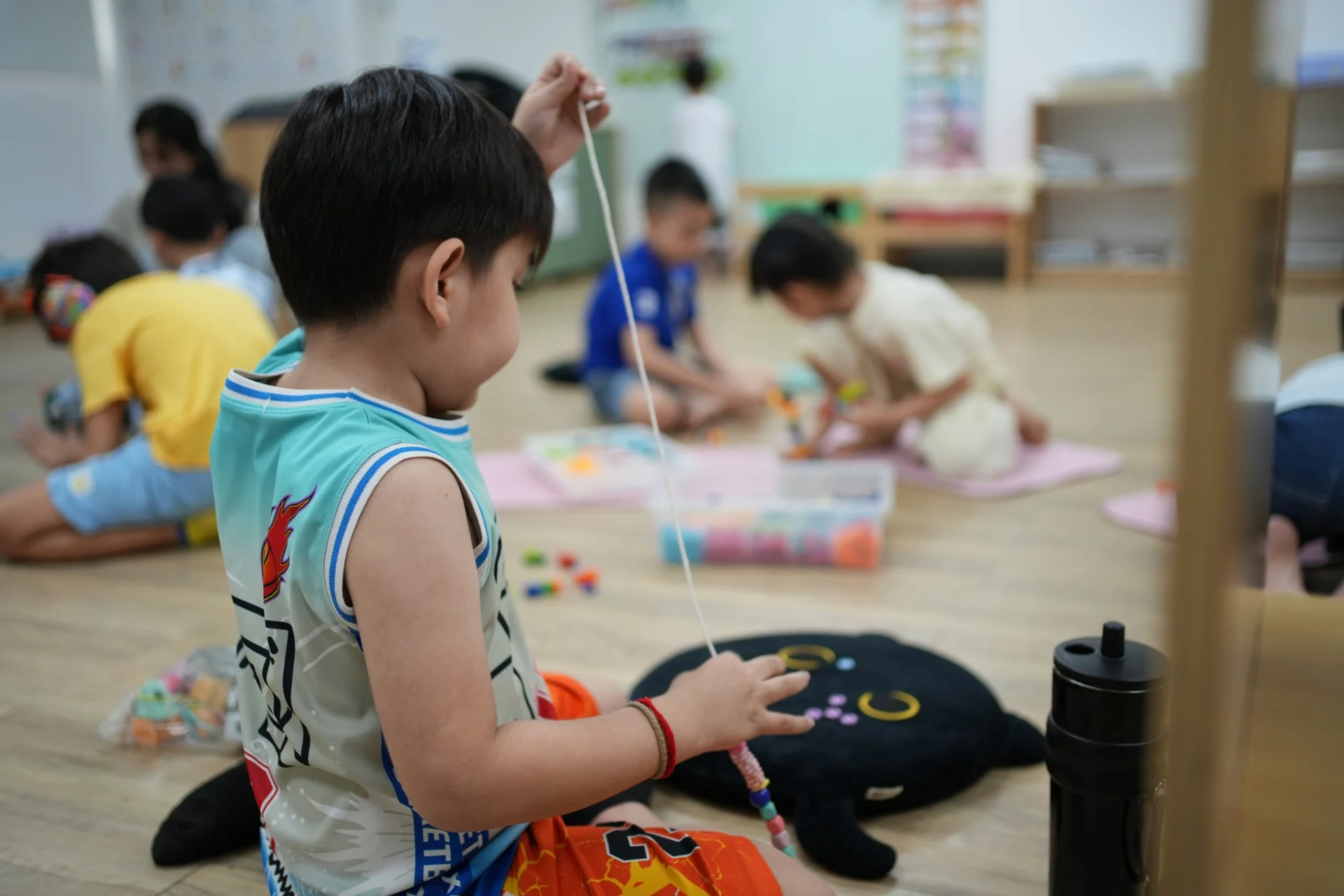
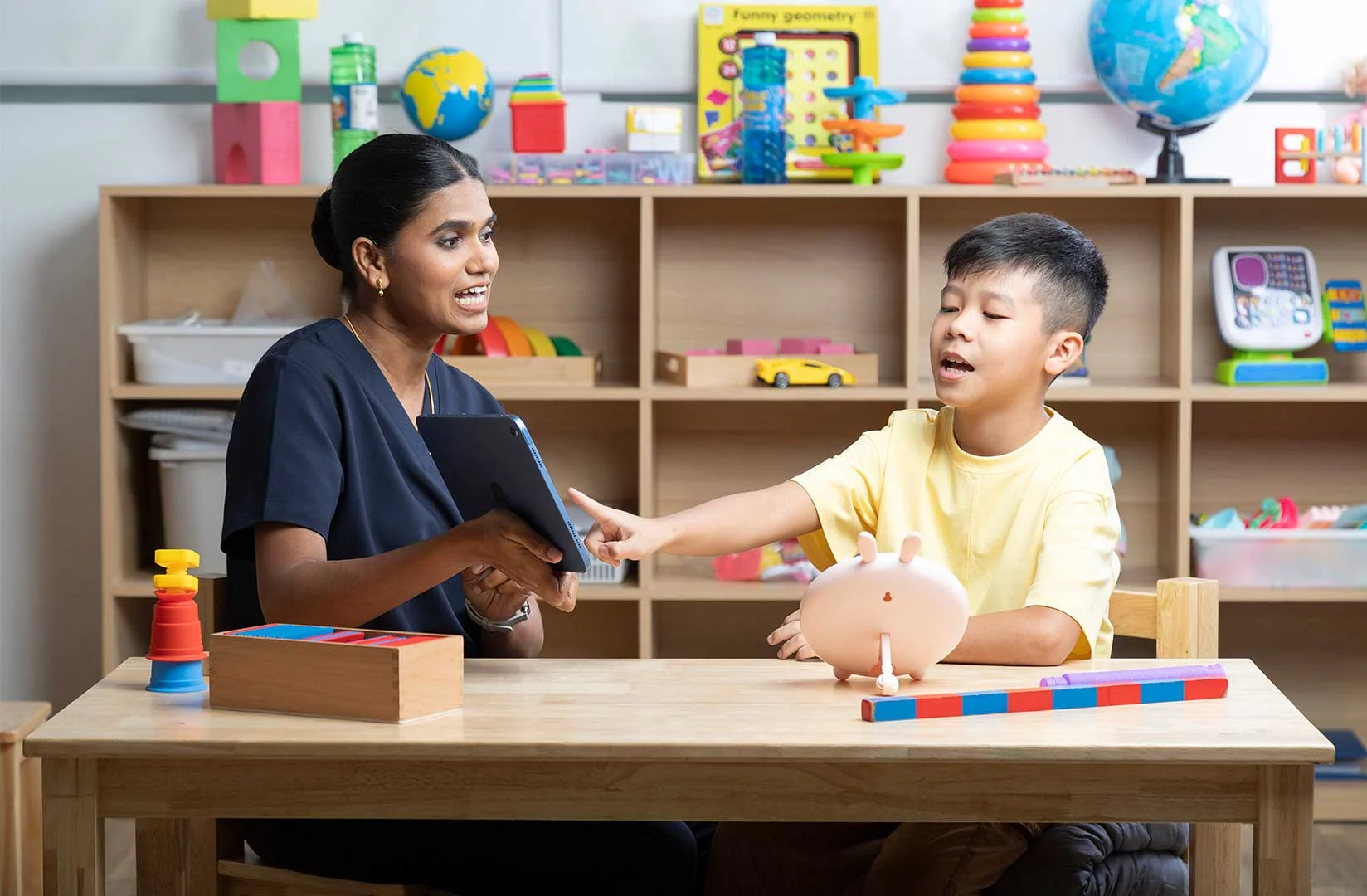
Emotional support in education helps children manage uncertainty, communicate difficulties and participate in learning. A child who repeatedly struggles with a task may need changes to the instruction or environment as well as reassurance.
Recognize barriers to engagement
Notice when a child withdraws, refuses a task or becomes distressed. Consider whether the work is too difficult, instructions are unclear, sensory demands are uncomfortable or the child needs a break. Avoid assuming that reluctance indicates poor motivation.
Make learning manageable
Demonstrate an achievable first step and provide clear feedback. A child who avoids writing may begin by choosing an idea orally, using a visual outline or completing a shorter writing task. Increase complexity as independence develops.
Build predictable relationships and routines
Explain changes in advance, offer consistent responses and provide a reliable way to ask for assistance. Acknowledge frustration without requiring a child to suppress distress before receiving support.
Coordinate home and school
Share specific observations rather than general labels. For example, record whether a child begins work more readily after seeing a demonstration. Agree on one support strategy, review its effectiveness and adjust it if necessary.
When additional support is appropriate
Persistent anxiety, distress or withdrawal may warrant evaluation by an appropriately qualified mental health professional. Learning, communication and sensory barriers may also require assessment.
OrbRom Center provides developmental and educational assessments and individualized educational intervention in Phnom Penh.
We are the only Preschool specialized on children with special needs in PhnomPenh.
| Included therapy sessions per month: |
| – Speech Therapy – 4 sessions / month |
| – Occupational Therapy – 4 sessions / month |
| – Free pre-enrollment assessment |
| – Individualized Learning Plans (ILPs) |
📞 Phone: 077.455.993
Telegram Link: https://t.me/OrbRom