
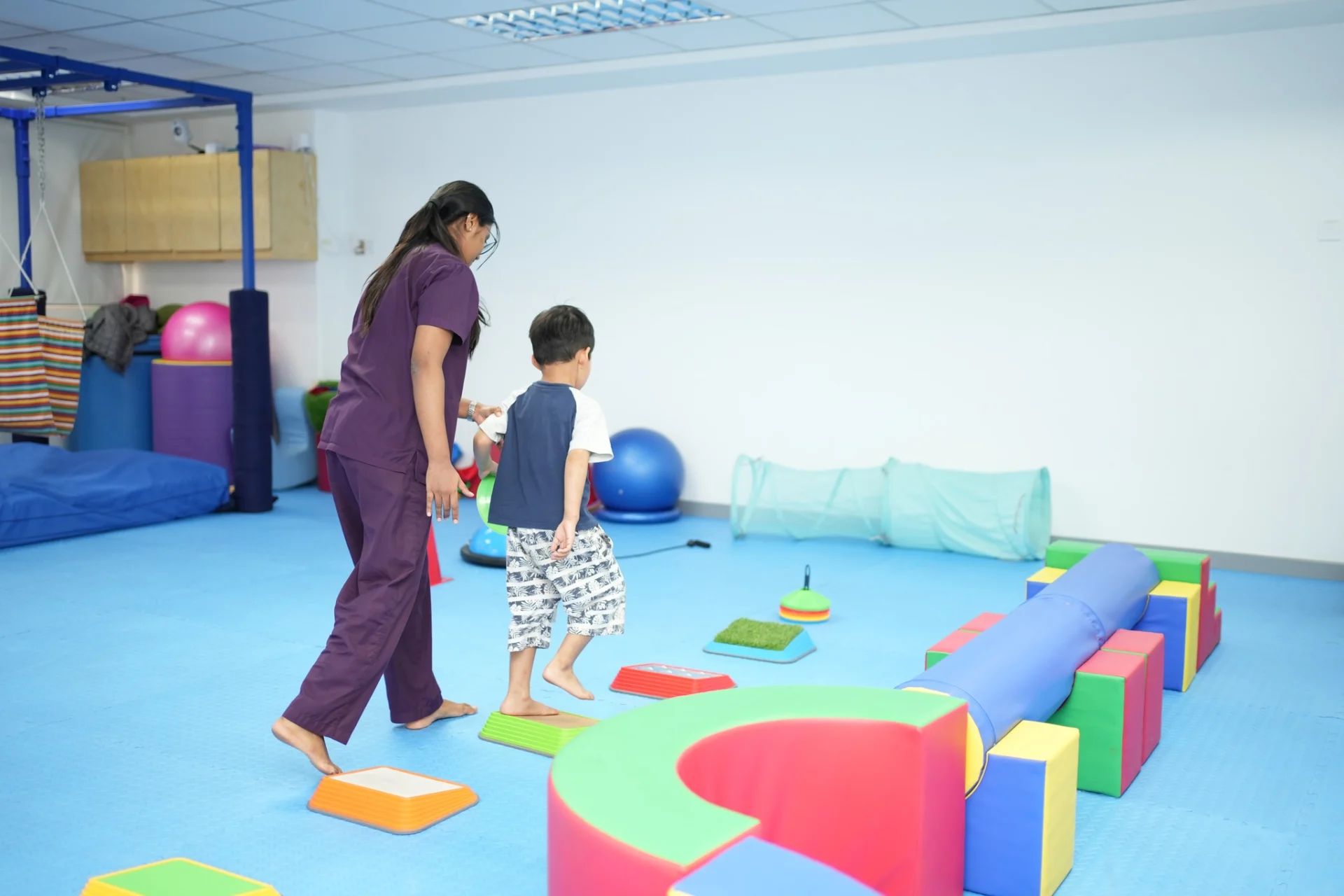
When parents hear “occupational therapy,” they often think it’s only about handwriting or fine motor skills. But occupational therapy Phnom Penh families seek out is usually about something bigger: helping a child participate in daily life with less struggle. That can mean moving through a classroom confidently, staying regulated during transitions, using two hands together, tolerating sensory input, or learning to plan and complete a simple routine.
At OrbRom Center, occupational therapy is practical and goal-driven. We focus on the skills that show up every day at home and at school—because progress matters most when it transfers to real life.
What occupational therapy supports in early childhood
OT can be a good fit when a child is:
-
constantly on the move, crashing, climbing, or seeking big movement
-
easily overwhelmed by noise, touch, crowds, or unpredictable routines
-
avoiding tasks that require coordination (jumping, balancing, catching, pedaling)
-
struggling with posture, endurance, or body control in group activities
-
having difficulty with dressing, feeding routines, or independence skills
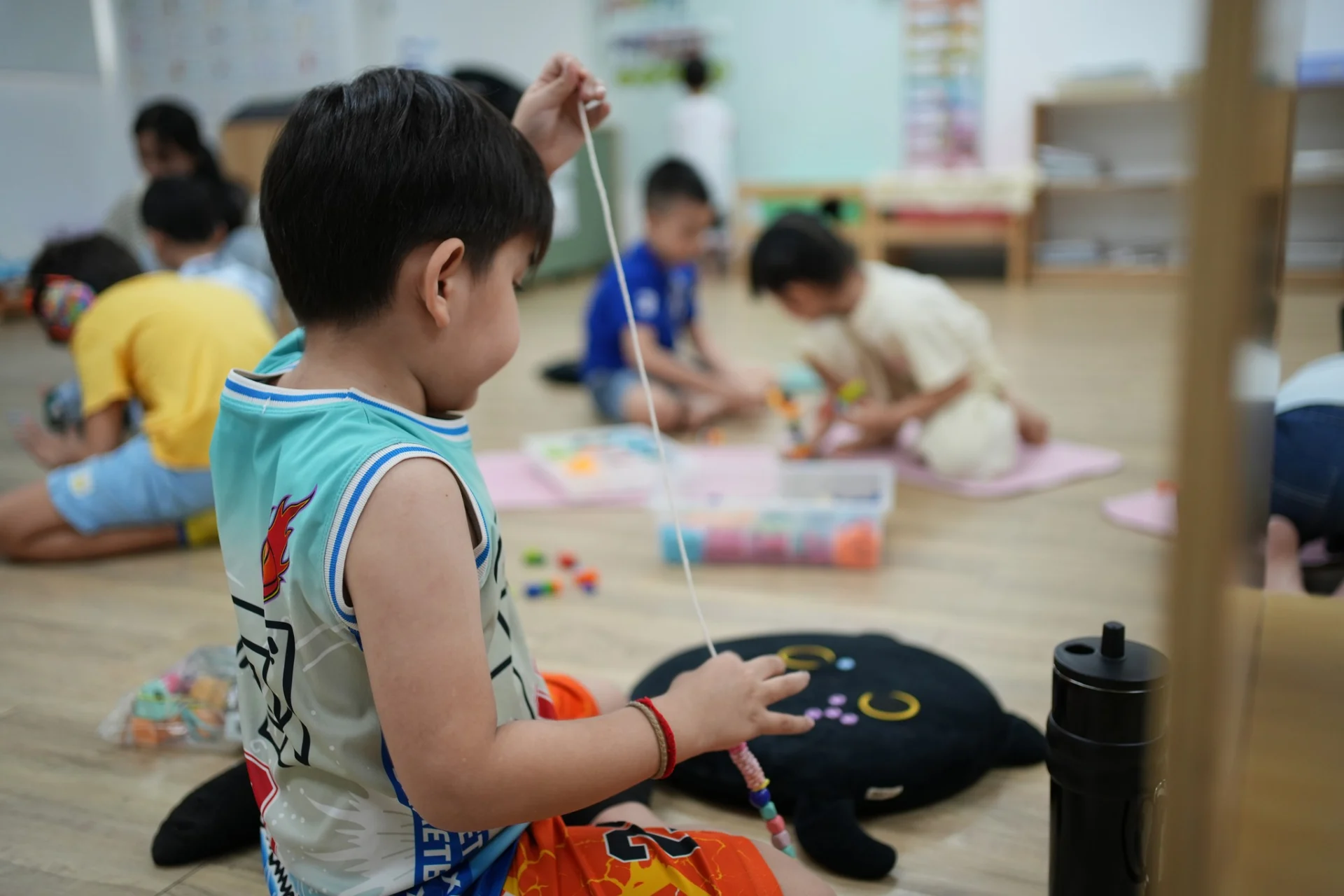
Parents often describe it as “my child is smart, but daily life is hard.” OT looks at the underlying building blocks—sensory processing, motor planning, core strength, bilateral coordination, and emotional regulation—then turns them into teachable steps.
If you want a clear overview of what OT is (and what it isn’t), start with what is occupational therapy and what is occupational therapy and how can it help your child.
Why movement-based OT is not “just play”
Good pediatric OT uses play as the delivery system, but the targets are specific. For example, obstacle-course style activities can train:
-
balance and postural control (staying upright, stable, and coordinated)
-
motor planning (figuring out how to move through a new challenge)
-
self-regulation (shifting from high energy to calm attention)
-
attention and persistence (sticking with a task even when it’s tricky)
This is especially relevant for children who show sensory-seeking or sensory-sensitive patterns. If that sounds familiar, the concepts in sensory processing sensitivity can help you understand what’s happening beneath the behavior.
When an assessment makes OT more effective
If you’re unsure whether the challenge is sensory, motor, attention, or a broader developmental concern, an assessment can save months of guessing. OrbRom’s assessments help identify priorities and set measurable goals. Many families also benefit from reading developmental milestones guide for parents so they can compare skills across areas (movement, play, independence, communication).
How OrbRom delivers occupational therapy in Phnom Penh
OrbRom’s occupational therapy services are designed to be structured, individualized, and easy for parents to follow. We build a plan based on what the child needs to do next—at school, at home, and in social situations—then track progress in practical outcomes (participation, independence, regulation, and confidence). If you’re searching for occupational therapy Phnom Penh and want a clinic that focuses on real-life skills—not generic activities—OrbRom Center is ready to help.
We are the only Preschool specialized on children with special needs in PhnomPenh.
| Included therapy sessions per month: |
| – Speech Therapy – 4 sessions / month |
| – Occupational Therapy – 4 sessions / month |
| – Free pre-enrollment assessment |
| – Individualized Learning Plans (ILPs) |
📞 Phone: 077.455.993
Telegram Link: https://t.me/OrbRom

Leave A Comment