
OrbRom Center Blog: Information about Special Needs Education. OrbRom Center Blog provides information about special needs education, including autism, ADHD, dyslexia, spelling difficulty, and social and slow learning.
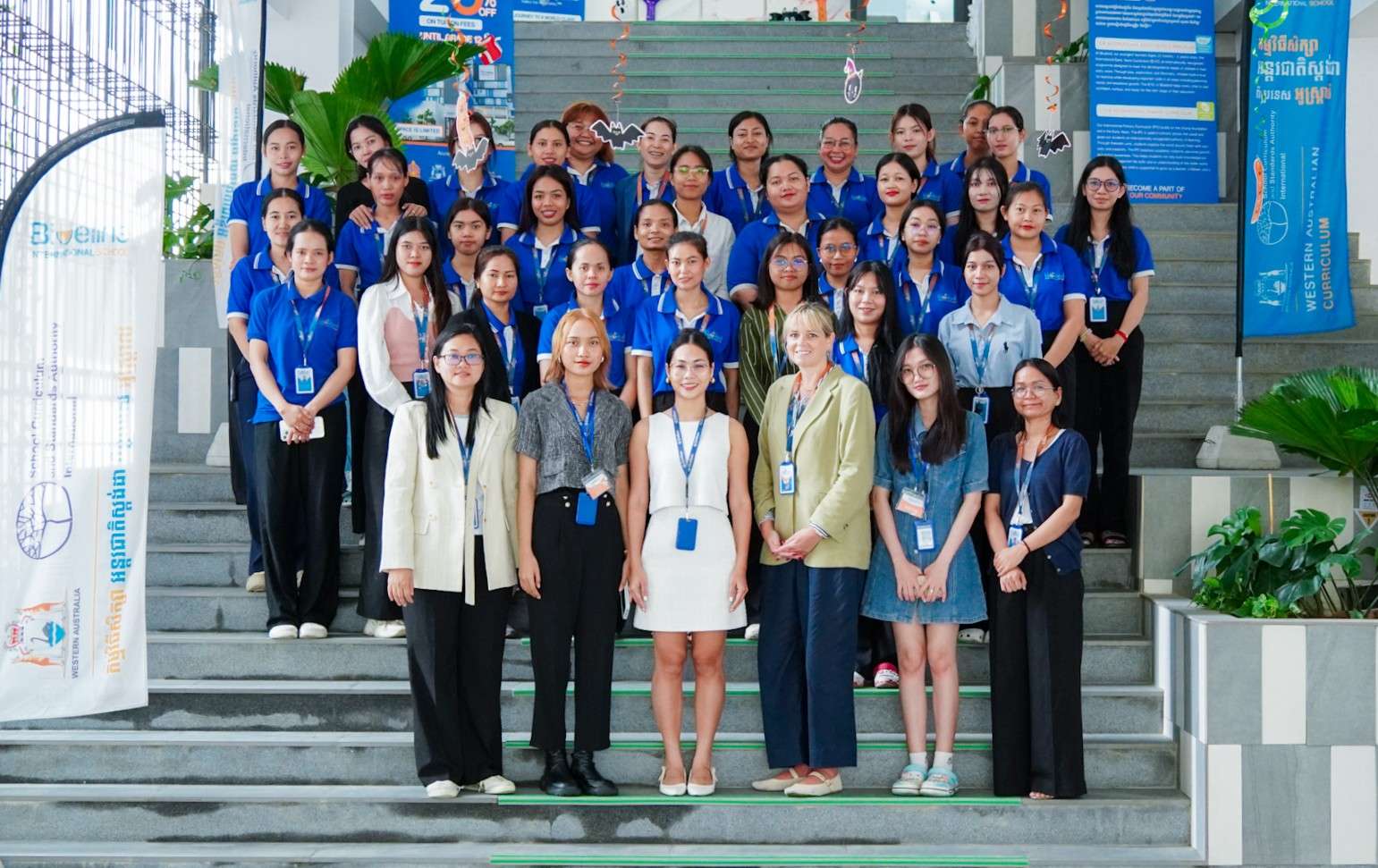
Early Signs of Special Needs & Tantrums: Practical Strategies from our Bluebird British International School Collaboration
PRESCHOOL PROGRAM Last week, our team delivered a staff training session at Bluebird British International School, [Read More]

How Speech Therapy Supports Children with Down Syndrome
Speech Therapy Services Children with Down Syndrome often experience unique challenges in speech, language, and communication [Read More]

Speech Therapy for Selective Mutism: Helping Children Find Their Voice in Phnom Penh
Speech Therapy Services Selective mutism is more than just shyness. For many children in Cambodia, especially [Read More]
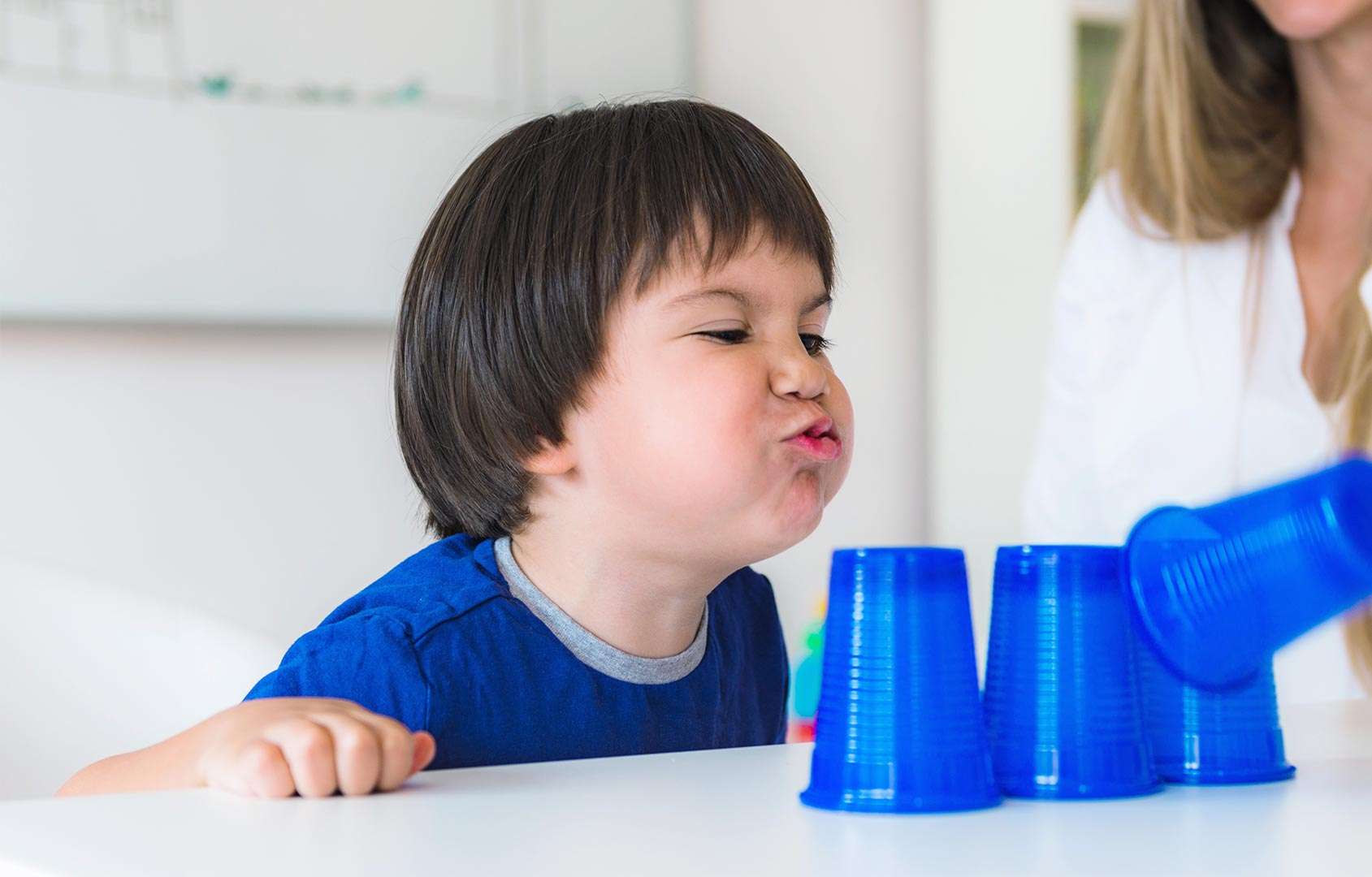
Multisensory Speech Therapy: Combining Sound, Touch, and Visuals
Speech Therapy Services At OrbRom Center in Phnom Penh, we believe that communication is more than [Read More]
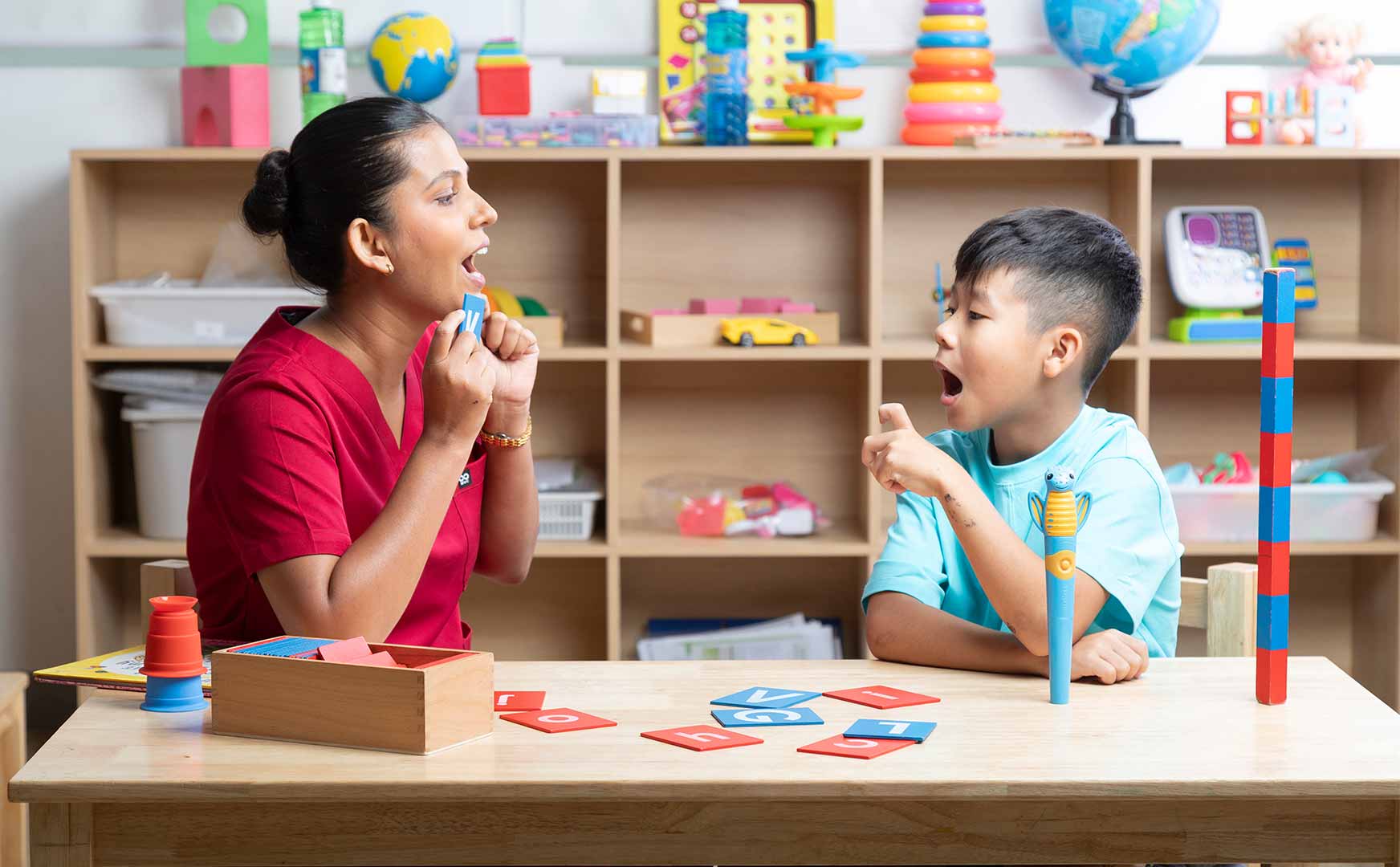
Speech Therapy for Children with ADHD: Building Focus and Communication Skills in Phnom Penh
Speech Therapy Services Children with Attention-Deficit/Hyperactivity Disorder (ADHD) often experience challenges that go beyond attention and [Read More]

Speech Therapy for Children with Developmental Language Disorder (DLD)
Speech Therapy Services Understanding Developmental Language Disorder (DLD) Developmental Language Disorder (DLD) is one of the [Read More]
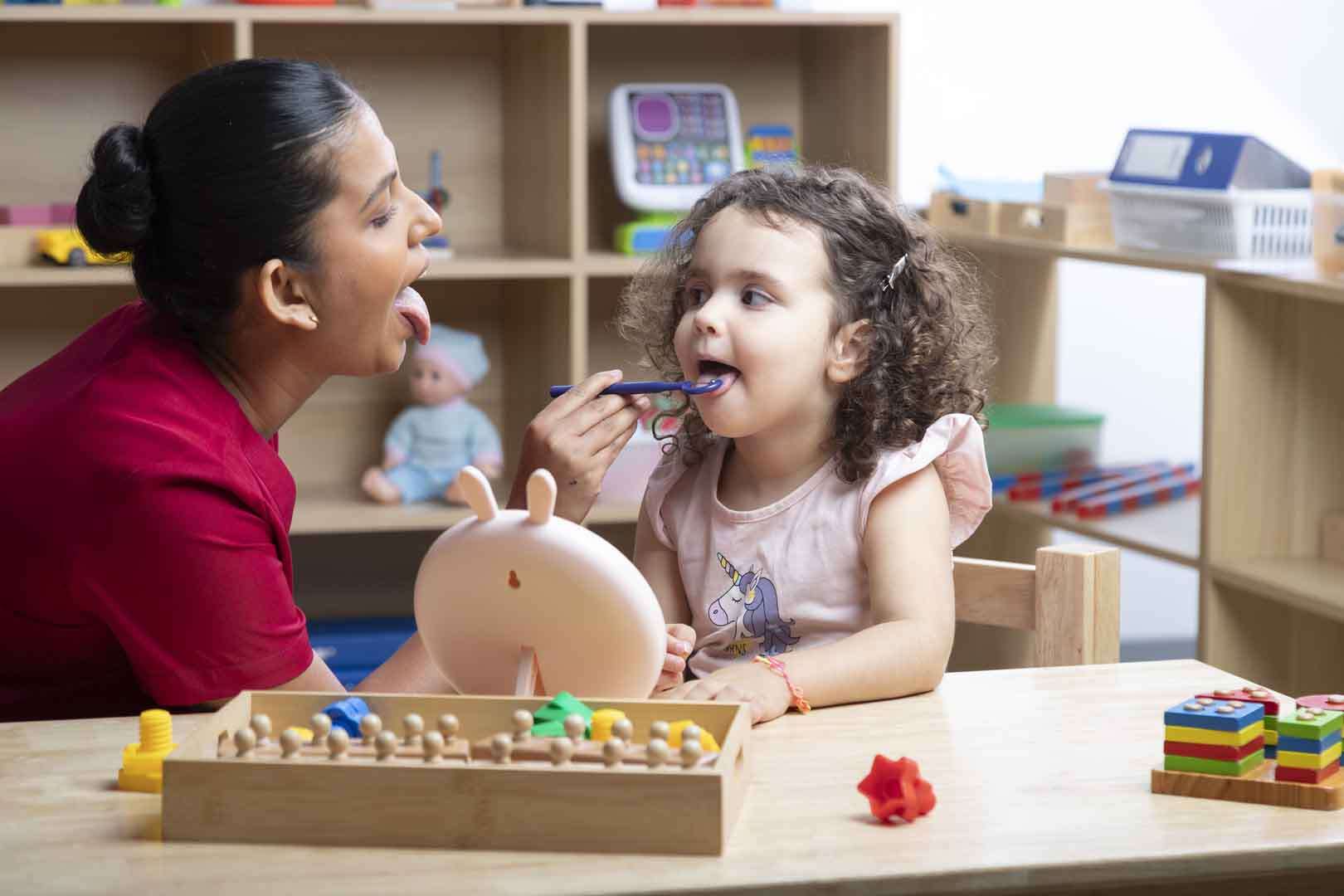
How Speech Therapy Works Alongside Occupational Therapy
Speech Therapy Services In Cambodia, families seeking support for their child’s development often encounter both speech [Read More]

Speech Therapy and Sensory Integration: Working Together for Better Communication
Speech Therapy Services In Cambodia, more children are being identified with developmental differences that affect both [Read More]

Supporting Children with Cerebral Palsy through Occupational Therapy
Children with cerebral palsy (CP) often face challenges that affect their movement, coordination, and independence in daily activities. [Read More]