

Dyscalculia is a learning disability that affects how children understand numbers, quantities, time, patterns, and basic math concepts. A child with dyscalculia may be bright, verbal, creative, and hardworking, but still struggle with counting, remembering math facts, reading clocks, understanding money, or solving word problems.
For many parents, the first sign is frustration. Your child may avoid homework, guess answers, cry during math tasks, or say, “I’m just bad at math.” In reality, dyscalculia is not laziness. It is a real learning difficulty that requires the right support.
Signs of Dyscalculia in Children
Children with dyscalculia may have difficulty recognizing numbers, comparing which number is bigger, counting in order, understanding place value, or remembering steps in calculations. Some children also struggle with directions, schedules, measurements, and estimating time.
For example, a child may know that 5 comes after 4 one day, then forget it the next. Another child may count objects correctly but not understand what the final number means. These small signs can affect confidence quickly, especially in school settings where math moves fast.
Parents can learn more about number-related learning challenges through OrbRom Center’s article on dyscalculia learning disability.
Why Early Support Matters
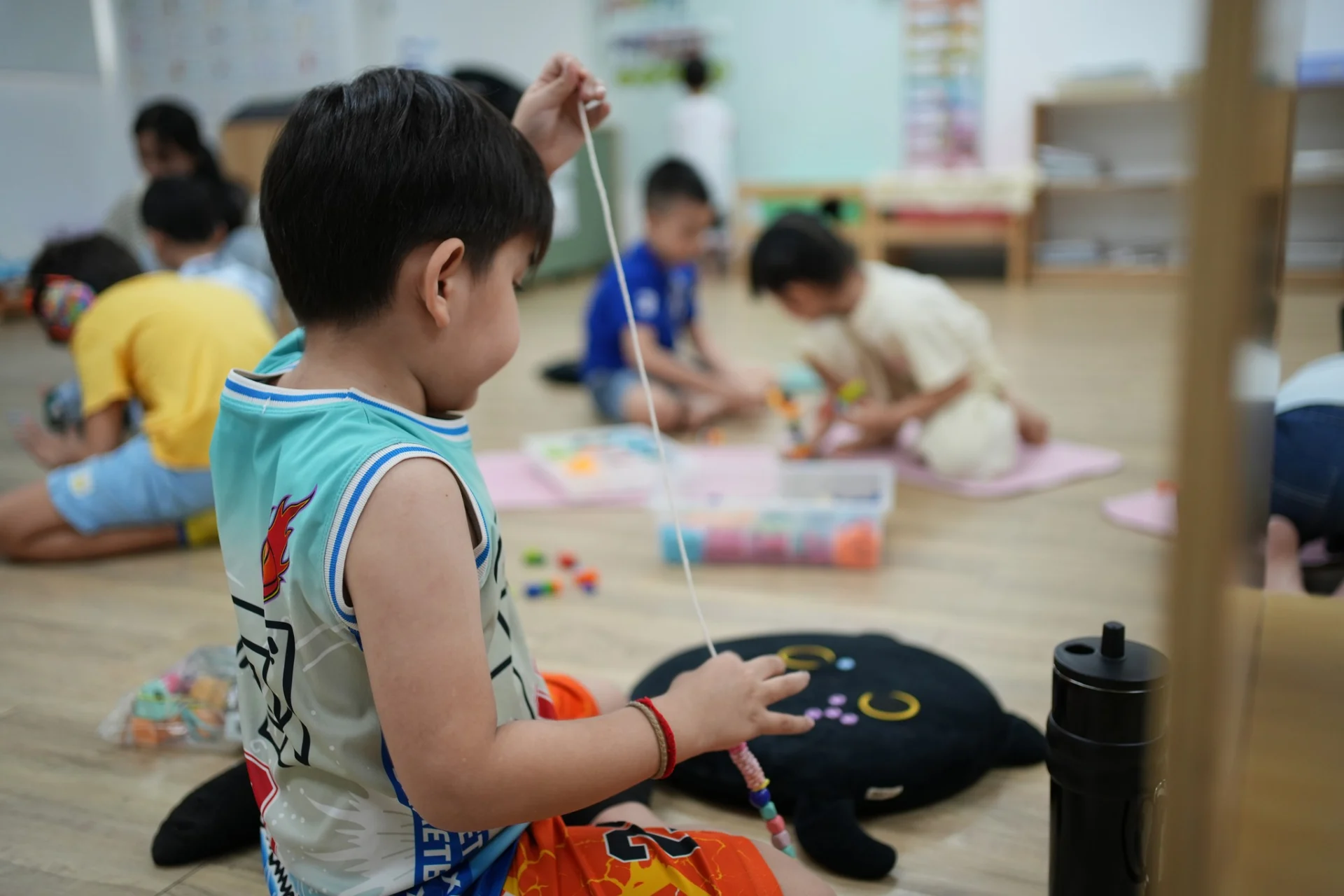
The earlier dyscalculia is identified, the easier it is to build confidence and close learning gaps. Children need structured, repeated, and visual instruction. Instead of only using worksheets, they benefit from hands-on tools such as blocks, counters, number lines, visual charts, and real-life activities.
A child may understand addition better by physically combining objects before moving to written numbers. They may learn time better through daily routines instead of abstract clock worksheets. This kind of teaching helps math become meaningful instead of stressful.
OrbRom Center provides assessments to help understand a child’s academic strengths and learning difficulties, including areas related to numeracy, attention, memory, and school readiness.
How Parents and Teachers Can Help
Support should be practical and consistent. Use short daily practice instead of long math sessions. Break tasks into small steps. Allow extra time. Use visual supports. Avoid comparing the child with classmates or siblings.
Teachers can reduce pressure by checking understanding before giving independent work. Parents can build skills at home through cooking, shopping, sorting toys, counting steps, or playing simple board games. These everyday activities make math less frightening.
For children who need individualized learning support, OrbRom Center’s special needs intensive intervention can help build foundational academic skills through structured one-on-one teaching.
Dyscalculia Support in Phnom Penh
Families in Phnom Penh are becoming more aware that learning difficulties need targeted support, not punishment or repeated worksheets. Dyscalculia can affect school performance, but with the right approach, children can improve number sense, problem-solving, independence, and confidence.
Dyscalculia does not mean a child cannot learn math. It means the child needs math taught in a way their brain can understand.
We are the only Preschool specialized on children with special needs in PhnomPenh.
| Included therapy sessions per month: |
| – Speech Therapy – 4 sessions / month |
| – Occupational Therapy – 4 sessions / month |
| – Free pre-enrollment assessment |
| – Individualized Learning Plans (ILPs) |
📞 Phone: 077.455.993
Telegram Link: https://t.me/OrbRom


Leave A Comment