
In Phnom Penh, many parents notice that their children may struggle with coordination, balance, attention, or sensory regulation. These challenges can affect how children participate in everyday activities such as playing with peers, focusing in class, or completing basic self-care tasks. Occupational therapy Phnom Penh services are designed to support children in developing the physical, sensory, and cognitive skills needed for daily life.
At OrbRom Learning Support Center, occupational therapy focuses on helping children build independence, confidence, and participation in school and home environments. Through structured activities that look like play, therapists guide children to strengthen their bodies, improve coordination, and regulate their sensory systems.
What Is Occupational Therapy for Children?
Occupational therapy for children focuses on helping them perform everyday tasks that are meaningful for their development. These include activities such as writing, dressing, playing, paying attention in class, and interacting with others.
Some children may experience challenges with:
-
Balance and coordination
-
Fine motor skills such as handwriting or cutting
-
Sensory processing
-
Attention and self-regulation
-
Motor planning and body awareness
When these skills are not developing as expected, occupational therapy can provide structured support to help children catch up and develop the skills they need for school and daily life.
Parents in Phnom Penh are increasingly recognizing the value of occupational therapy as part of early intervention and developmental support.
Why Movement-Based Therapy Matters
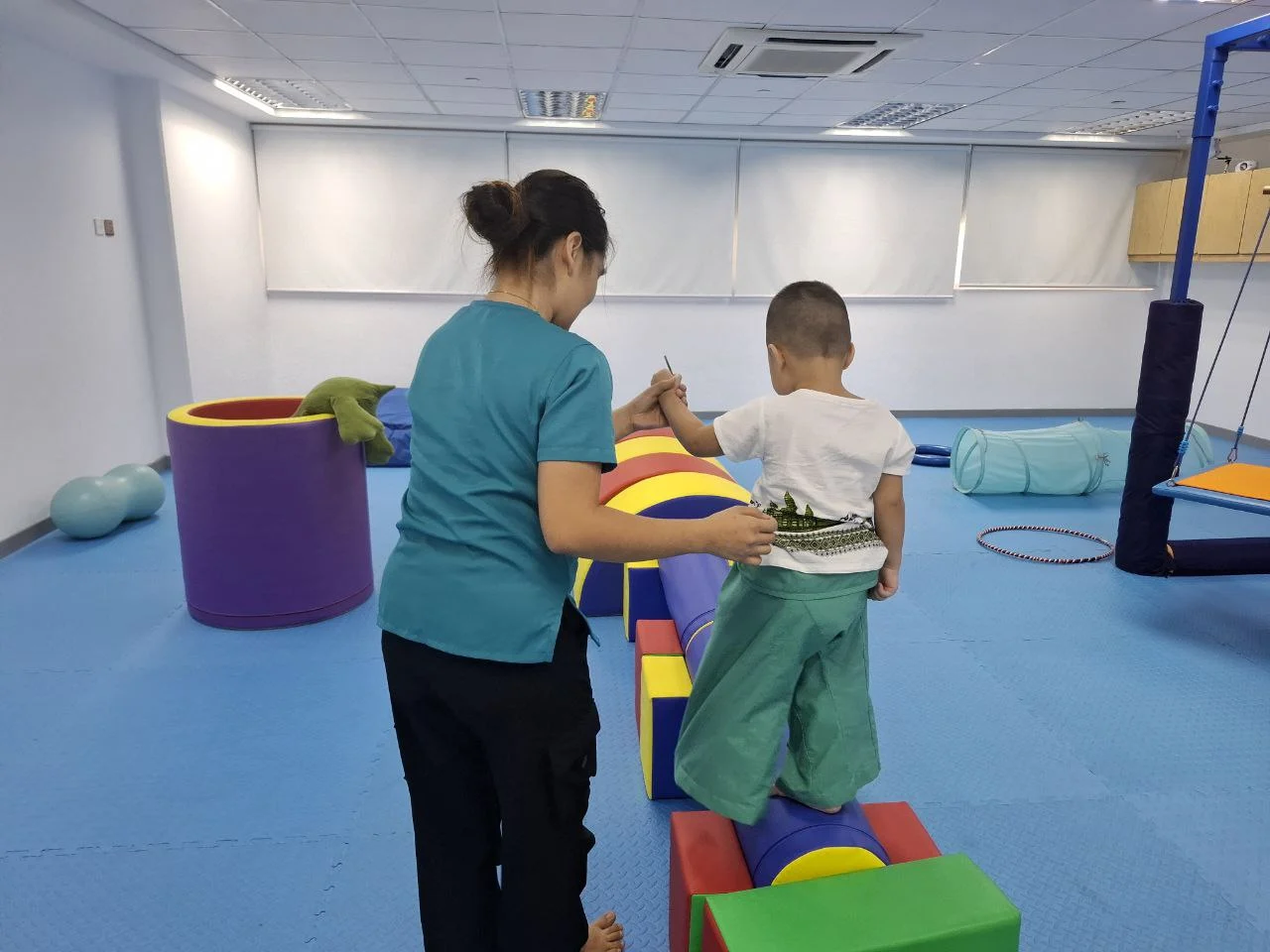
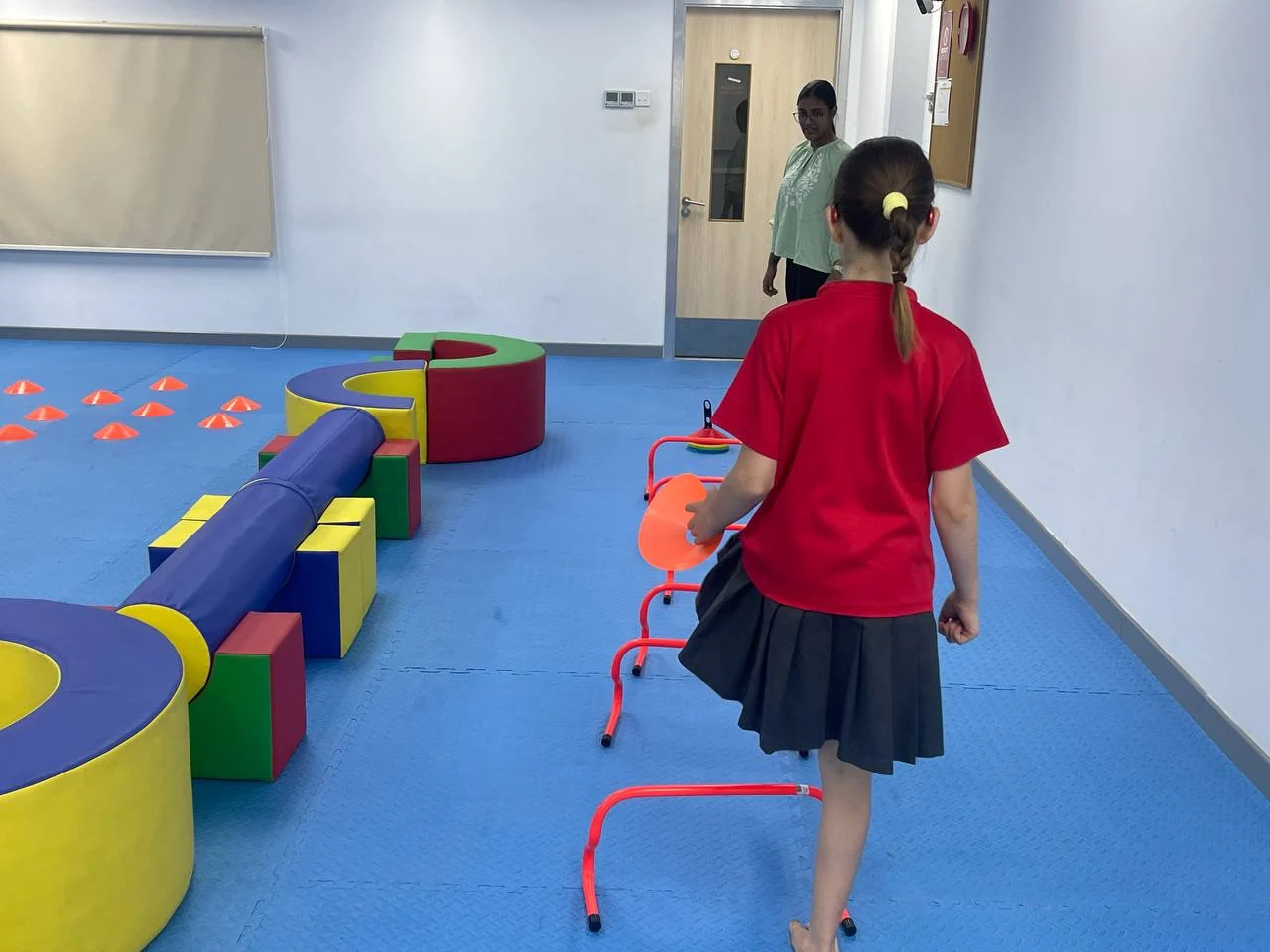
Children learn through movement. Activities such as climbing, balancing, jumping, and navigating obstacles stimulate multiple systems in the brain and body. Movement-based therapy allows therapists to work on several developmental areas at once.
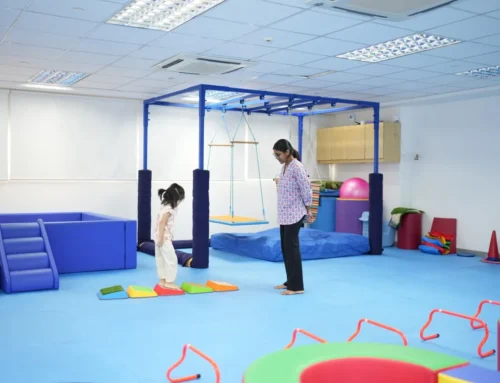
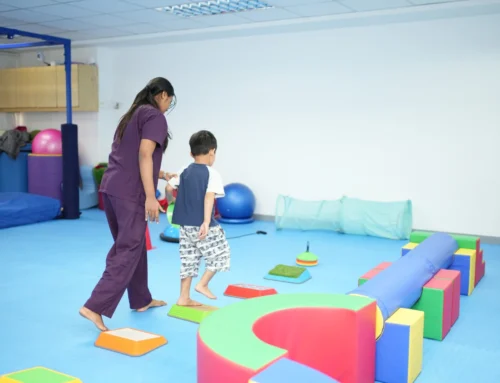
In occupational therapy sessions, children might participate in obstacle courses, climbing structures, balance activities, or sensory play. These activities help strengthen:
-
Core muscles and postural stability
-
Coordination and balance
-
Motor planning and sequencing
-
Attention and focus
-
Sensory regulation
The goal is not simply physical exercise. Each activity is carefully designed by therapists to support developmental goals related to learning and participation.
The Role of Sensory Integration
Many children experience differences in how their nervous system processes sensory information. They may be overly sensitive to sound, movement, or touch, or they may seek more sensory input than other children.
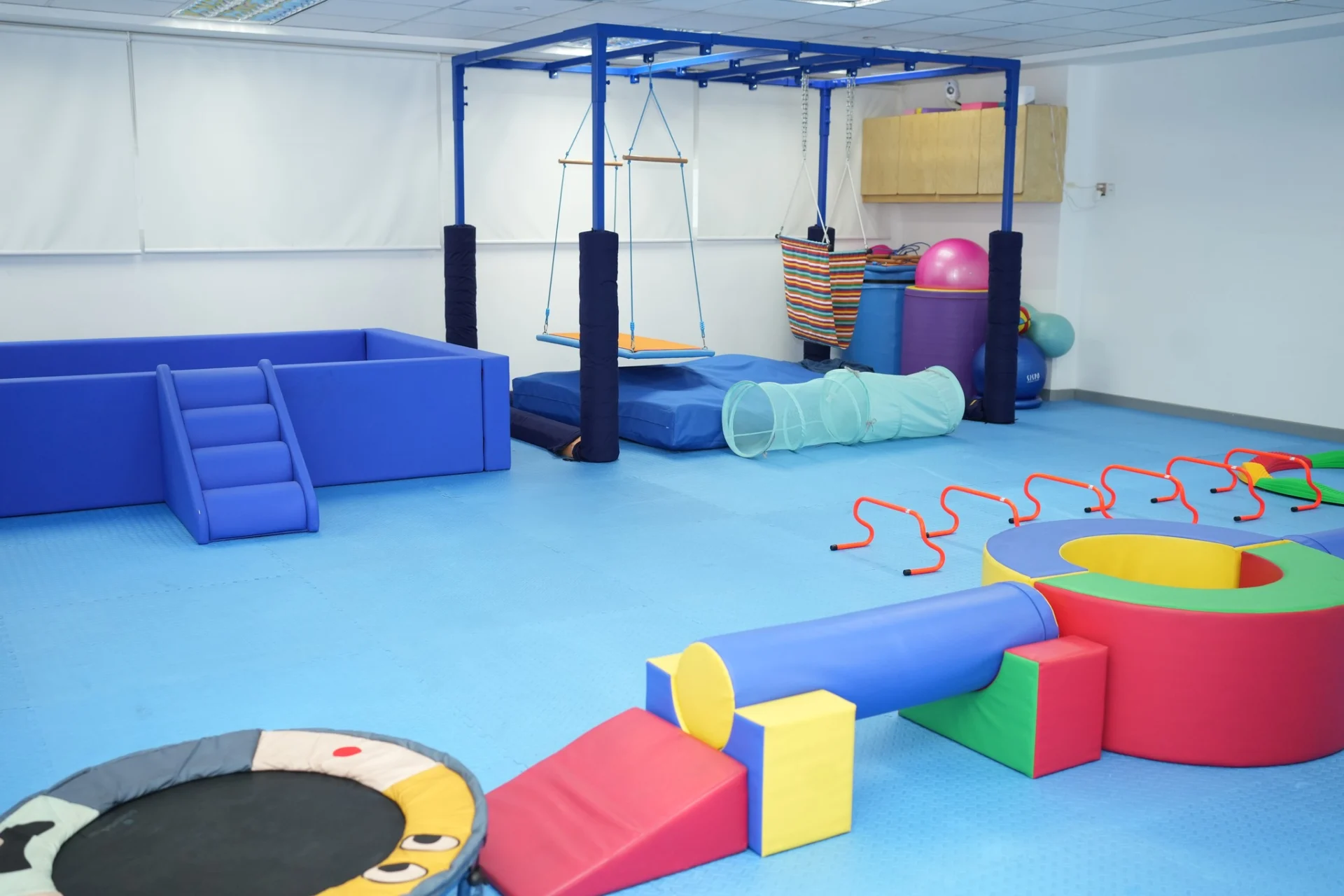
Sensory integration therapy helps children learn how to process and respond to sensory information in a more organized way. Through carefully planned activities involving swings, tunnels, balance equipment, and textured materials, children develop better body awareness and regulation.
Improved sensory processing can lead to better focus in class, improved emotional regulation, and greater participation in social activities.
Skills Children Build in Occupational Therapy
During occupational therapy sessions, therapists work on several key developmental areas that are essential for school success and independence.
These include:
Gross Motor Skills
Activities such as climbing, balancing, and navigating obstacle courses strengthen large muscle groups and improve body coordination.
Fine Motor Skills
Therapists help children develop the hand strength and control needed for writing, drawing, and manipulating small objects.
Motor Planning
Children learn how to plan and sequence movements, which is important for completing tasks such as dressing, playing sports, or participating in playground activities.
Self-Regulation
Therapy activities help children recognize and manage their level of alertness and energy, improving their ability to focus and remain calm.
Confidence and Independence
As children succeed in physical challenges and developmental tasks, they gain confidence in their abilities and become more willing to try new activities.
The Importance of Early Support
When developmental challenges are addressed early, children often make faster progress and experience fewer difficulties later in school. Early occupational therapy support can help prevent small delays from becoming larger academic or behavioral challenges.
Parents who notice that their child struggles with coordination, attention, sensory sensitivities, or motor skills may benefit from seeking professional guidance. Early support allows therapists to design individualized programs that target the child’s specific needs.
Occupational Therapy Services at OrbRom Center
OrbRom Learning Support Center provides specialized occupational therapy services for children in Phnom Penh. Therapy programs are individualized and designed based on each child’s developmental profile and goals.
Therapists work closely with families and educators to ensure that strategies used in therapy can also support children at home and in the classroom.
For more information about occupational therapy services, visit HERE
Occupational therapy is not simply about improving movement. It is about helping children participate more fully in their everyday lives—at school, at home, and in their communities.
When children develop the physical and sensory foundations needed for learning, they are better prepared to grow, explore, and succeed.
We are the only Preschool specialized on children with special needs in PhnomPenh.
- Internationally qualified teachers
- Cambodia’s largest sensory room
- Outdoor swimming pool
- Covered outdoor playground
📞 Phone: 077.455.993
Telegram Link: https://t.me/OrbRom

Leave A Comment