
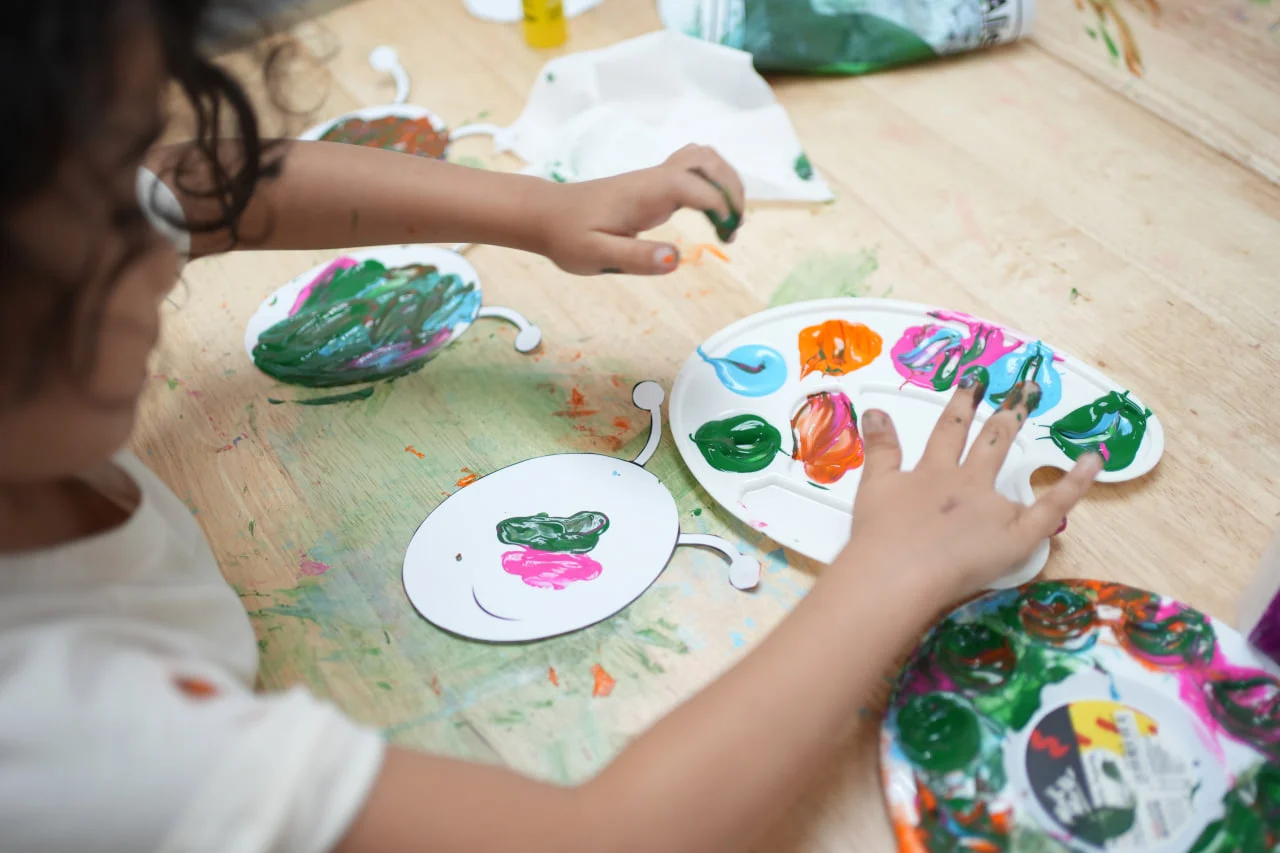
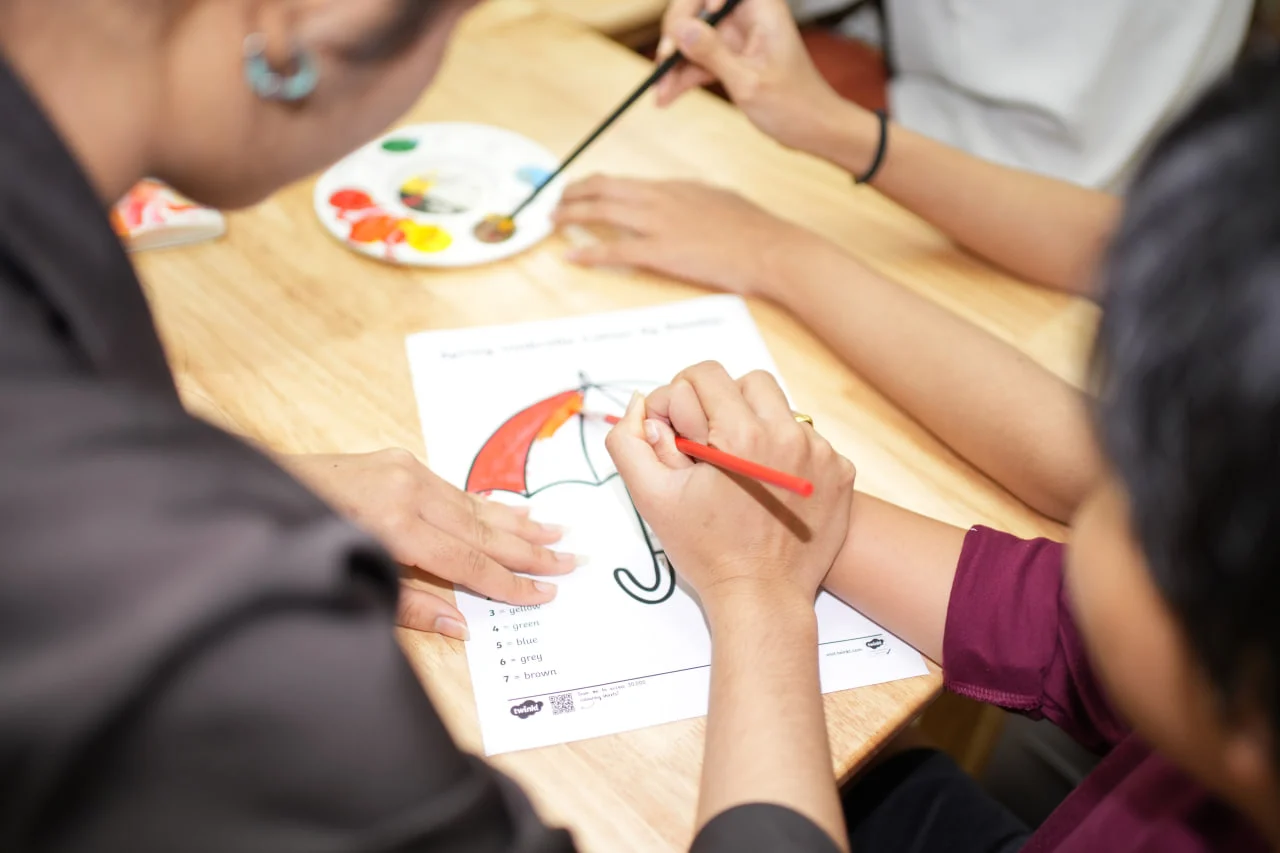
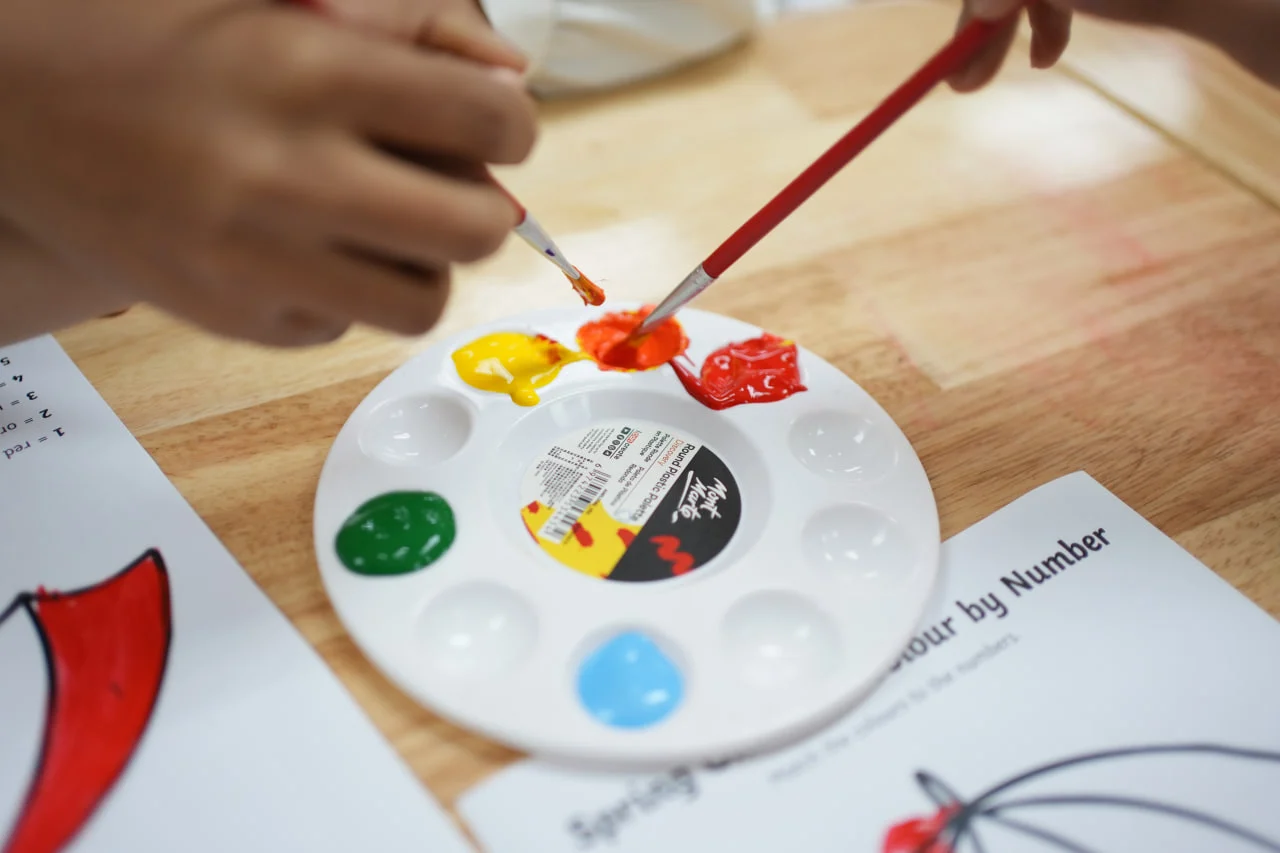
Preschool art activities play an important role in early childhood development. What may look like simple painting or coloring is actually a powerful learning experience for young children. Activities like painting, mixing colors, and exploring textures help preschoolers develop important cognitive, sensory, and motor skills. In many early childhood classrooms, including those in Phnom Penh, structured art activities often begin with guidance from teachers and teaching assistants, but they naturally evolve into creative exploration as children begin experimenting with colors and materials.
This process is not a mistake or loss of control in the classroom. It is a normal and valuable part of learning during the preschool years.
Why Creative Art Activities Matter in Preschool
Preschool-aged children learn best through hands-on experiences. Painting, drawing, and creative play allow them to explore their environment while strengthening important developmental skills. Art activities support several areas of development:
-
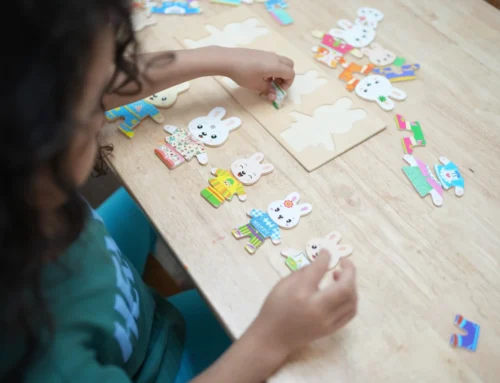
Fine motor development: Holding a paintbrush, dipping it into paint, and controlling movement strengthens small hand muscles needed later for writing and daily tasks.
-
Hand–eye coordination: Painting shapes and patterns helps children coordinate visual input with physical movement.
-
Creative thinking: When children experiment with colors or mix paints together, they begin to understand cause and effect while expressing their imagination.
-
Confidence and independence: When preschoolers are allowed to explore art freely, they feel ownership over their work and gain confidence in their abilities.
Creative exploration also supports emotional expression. Many young children communicate feelings and ideas through art before they can fully explain them with words.
The Learning Value of “Messy” Play
Parents sometimes worry when art activities become messy. However, research in early childhood education consistently shows that messy play is a critical part of learning.
When children mix paint, use their fingers, or experiment with different textures, they are engaging in sensory exploration. Sensory play supports brain development and helps children understand how their bodies interact with the world around them.
Messy play also builds patience and flexibility. A painting might not go exactly as planned, and children learn how to adapt, problem-solve, and try again. These experiences are essential for developing resilience and curiosity.
For more insights into sensory exploration and play-based learning, parents can explore topics such as sensory play and how activities support early childhood development.
Preschool Learning Through Structured Guidance
In well-designed preschool programs, art activities usually begin with simple instructions. Teachers might demonstrate how to hold a brush or show how to paint within a shape. This short period of structure helps children understand the activity and builds foundational skills.
After that, children are encouraged to explore independently. This balance between structure and freedom is essential in early education. It helps preschoolers learn routines while still allowing creativity and personal expression.
Programs that emphasize hands-on learning and individualized support often produce stronger developmental outcomes. Research in inclusive education environments shows that children thrive when learning activities combine guidance, creativity, and opportunities for exploration.
The Role of Quality Preschool Programs
High-quality preschool programs provide children with daily opportunities for creative activities like painting, building, and sensory play. These activities help develop attention, social interaction, and problem-solving skills while preparing children for the structure of primary school.
At OrbRom Center, the Preschool Program focuses on building these foundational skills through structured play and engaging learning experiences. Activities such as art, storytelling, and hands-on exploration help children develop confidence, independence, and early academic readiness.
Creative expression is not just about producing artwork. It is about helping children explore ideas, develop coordination, and enjoy the learning process.
Encouraging Creativity in Early Childhood
Preschool is a time for exploration, curiosity, and discovery. When children are given the opportunity to experiment with colors, textures, and materials, they develop essential skills that support their long-term learning journey.
Art activities are a simple yet powerful tool in early education. Through painting, drawing, and creative play, preschoolers build the motor skills, attention, and confidence they need for future success. In many classrooms today, including those serving families in Phnom Penh, these creative experiences remain one of the most effective ways to support early childhood development.
We are the only Preschool specialized on children with special needs in PhnomPenh.
- Internationally qualified teachers
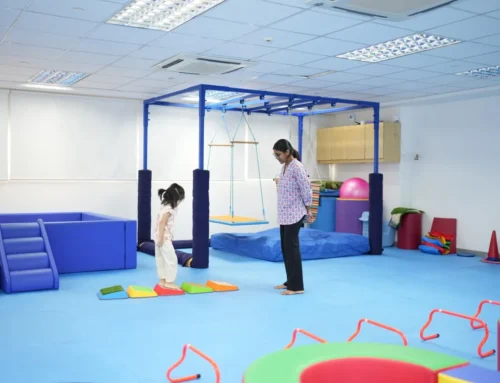
- Cambodia’s largest sensory room
- Outdoor swimming pool
- Covered outdoor playground
📞 Phone: 077.455.993
Telegram Link: https://t.me/OrbRom

Leave A Comment