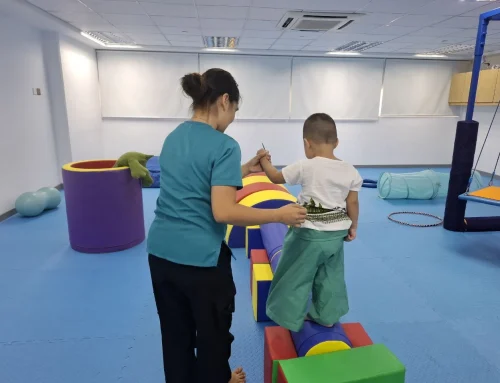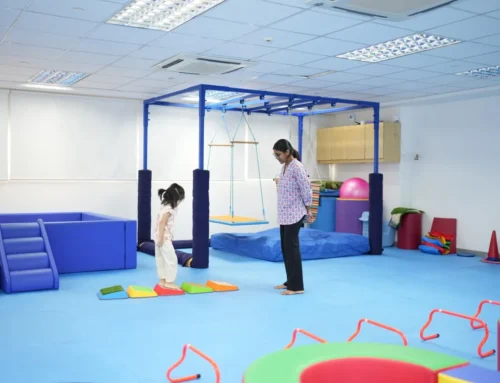

The Role of OT in Inclusive Classrooms is not about “fixing” a child—it is about removing barriers so students can participate, learn, and feel successful alongside their peers. In a busy classroom, the biggest obstacles are often invisible: poor posture that makes writing exhausting, sensory overload that triggers shutdowns, weak planning skills that derail multi-step tasks, or fatigue that looks like “not trying.” Occupational therapy (OT) targets these everyday participation problems with practical strategies teachers can use immediately.
What occupational therapists actually do in an inclusive classroom
Inclusive classrooms work best when we support function, not labels. OT focuses on the skills students use all day:
-
Access to learning tools: grip, handwriting endurance, scissor use, keyboarding readiness, and visual-motor skills.
-
Self-regulation: noticing stress signals, calming strategies, sensory needs, and transitions.
-
Executive functioning in action: starting tasks, following steps, organizing materials, and finishing work.
-
Independence: managing routines like packing bags, opening containers, and coping with unexpected change.
If you want a clearer overview of the scope, see what occupational therapy is.
Three high-impact OT strategies teachers can adopt this week
Because inclusive teaching is built on proactive design, OT fits naturally with classroom systems already in place.
1) Design the environment to reduce sensory “friction.”
Many students struggle with noise, touch, crowding, or unpredictable movement. A few changes can reduce stress for the whole class: defined seating options, quiet corners, and simple regulation tools. Understanding sensory processing sensitivity helps teachers reframe “behavior” as a nervous-system response—not defiance.
2) Make tasks accessible through smart scaffolding.
When instructions are complex, students may appear off-task even when they want to participate. OT supports teachers with small adaptations: breaking tasks into visible steps, reducing copying demands, or offering choices for how students show learning. This aligns closely with differentiated instruction and keeps expectations high while making the pathway clearer.
3) Teach regulation as a classroom skill, not a “special” add-on.
Regulation should be normal—like lining up or taking turns. Short movement breaks, a visual “ready-to-learn” routine, and consistent transition cues help many learners stay engaged. If a school has space, even a modest calming corner can borrow ideas from the proven benefits of a sensory room.
OT is most effective when the team shares the same plan
Inclusion is an ecosystem: teacher routines, parent support, and student skills all influence outcomes. OT works best when goals are consistent across settings and progress is monitored. Schools and families often benefit from a clear baseline through OrbRom Center’s assessments—especially when the question is “What supports will help this student access the curriculum?” rather than “What is the label?”
For families and schools in Cambodia looking for practical classroom-based support, OrbRom Center’s Occupational Therapy services focus on participation—helping students build independence, regulation, and learning readiness so inclusion becomes workable, not just well-intended. The Role of OT in Inclusive Classrooms is ultimately about designing daily success: small supports, applied consistently, that let students show what they can do.
We are the only Preschool specialized on children with special needs in PhnomPenh.
- Internationally qualified teachers
- Cambodia’s largest sensory room
- Outdoor swimming pool
- Covered outdoor playground
📞 Phone: 077.455.993
Telegram Link: https://t.me/OrbRom