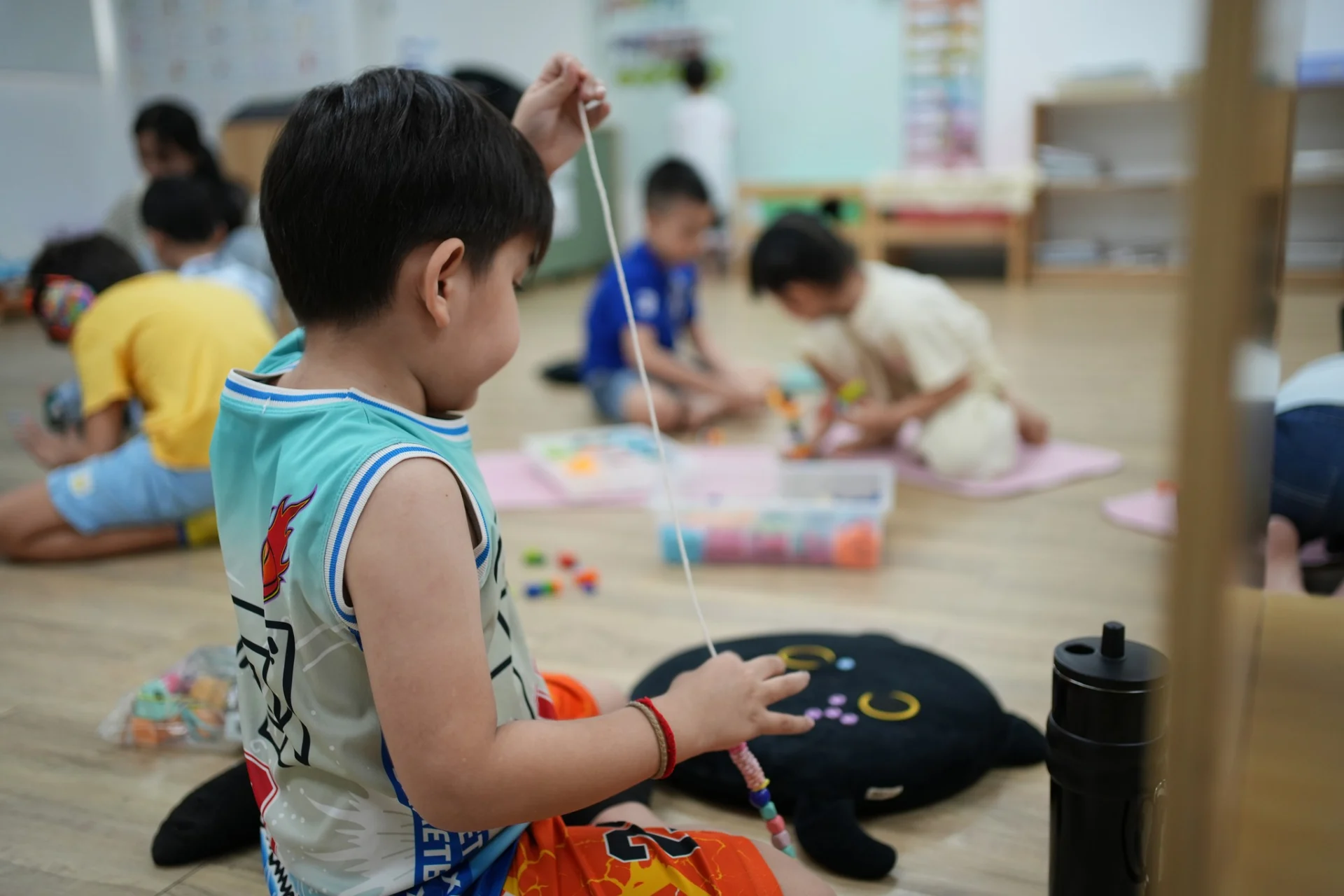
Every child deserves the chance to learn, grow, and feel confident in their abilities. Some children learn quickly through traditional methods, while others need approaches tailored to their pace and learning style. This isn’t a weakness—it’s simply a different path. For many families in Phnom Penh, understanding these differences has become an important step in supporting children as they develop the skills they need both in and outside the classroom.
Children are naturally creative, curious, and capable. When learning becomes difficult—whether socially, academically, or emotionally—it doesn’t mean the child is less capable. What it often means is that they need support that fits their strengths, interests, and developmental pace.
Every Child Learns Differently
It’s common for parents to notice things like difficulty expressing thoughts, struggles with reading readiness, challenges with motor skills such as writing, or trouble following classroom routines. These observations can be confusing, especially when a child is otherwise bright, playful, and eager to explore.
Parents in Phnom Penh are now recognizing that developmental differences are more common than previously assumed. Many children benefit from environments where educators and therapists understand learning profiles and use strategies that help children succeed rather than feel overwhelmed.
This approach helps children experience learning as something possible—not something intimidating.
The Importance of the Right Support System
A structured, supportive system can make a tremendous difference. Children often respond well when routines are predictable, expectations are clear, and learning is presented in ways that feel manageable. When children receive support that matches their needs, self-esteem grows and behaviors linked to frustration decrease.
Families who have experienced this often describe the difference as “unlocking potential,” rather than correcting a problem.
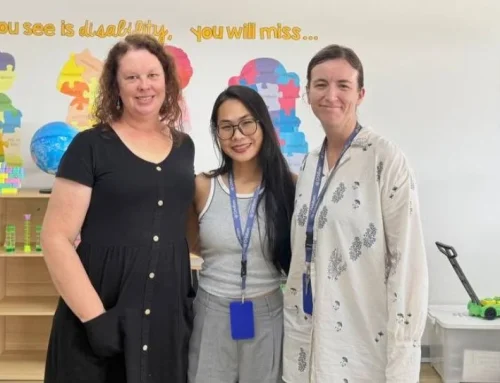
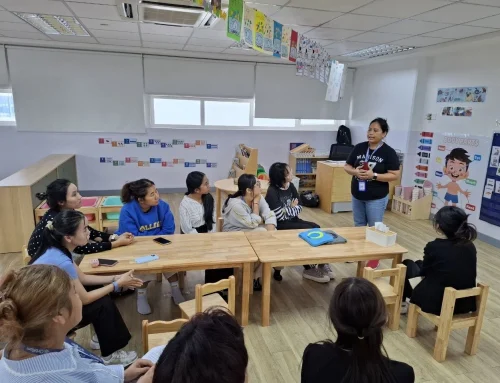
At OrbRom Center in Phnom Penh, support is built around this philosophy. Instead of placing pressure on performance, the focus is on development, confidence-building, and meaningful learning progress. The environment is welcoming, calm, and designed to help children enjoy learning without fear of failure or comparison.
Why Development-Focused Learning Matters
A development-based learning model prioritizes skills like:
-
Communication and expression
-
Social interaction and emotional regulation
-
Play-based learning
-
Fine and gross motor development
-
Self-help and independence
-
Critical thinking and problem-solving
These skills are essential for life—not only for academics. When children are supported in these areas early, classroom learning becomes easier later.
This approach is especially meaningful for families searching for educational support aligned with developmental needs rather than standardized expectations.
The Role of Professional Guidance
Knowing when to seek professional support can feel uncertain, but many parents decide to explore it when challenges create ongoing frustration—not only for the child but for the family as well.
Professional guidance can help answer questions such as:
-
Is my child developing at an expected pace?
-
Is my child struggling because of learning differences?
-
How can I support my child at home?
-
What skills should be strengthened before enrollment in a larger classroom environment?
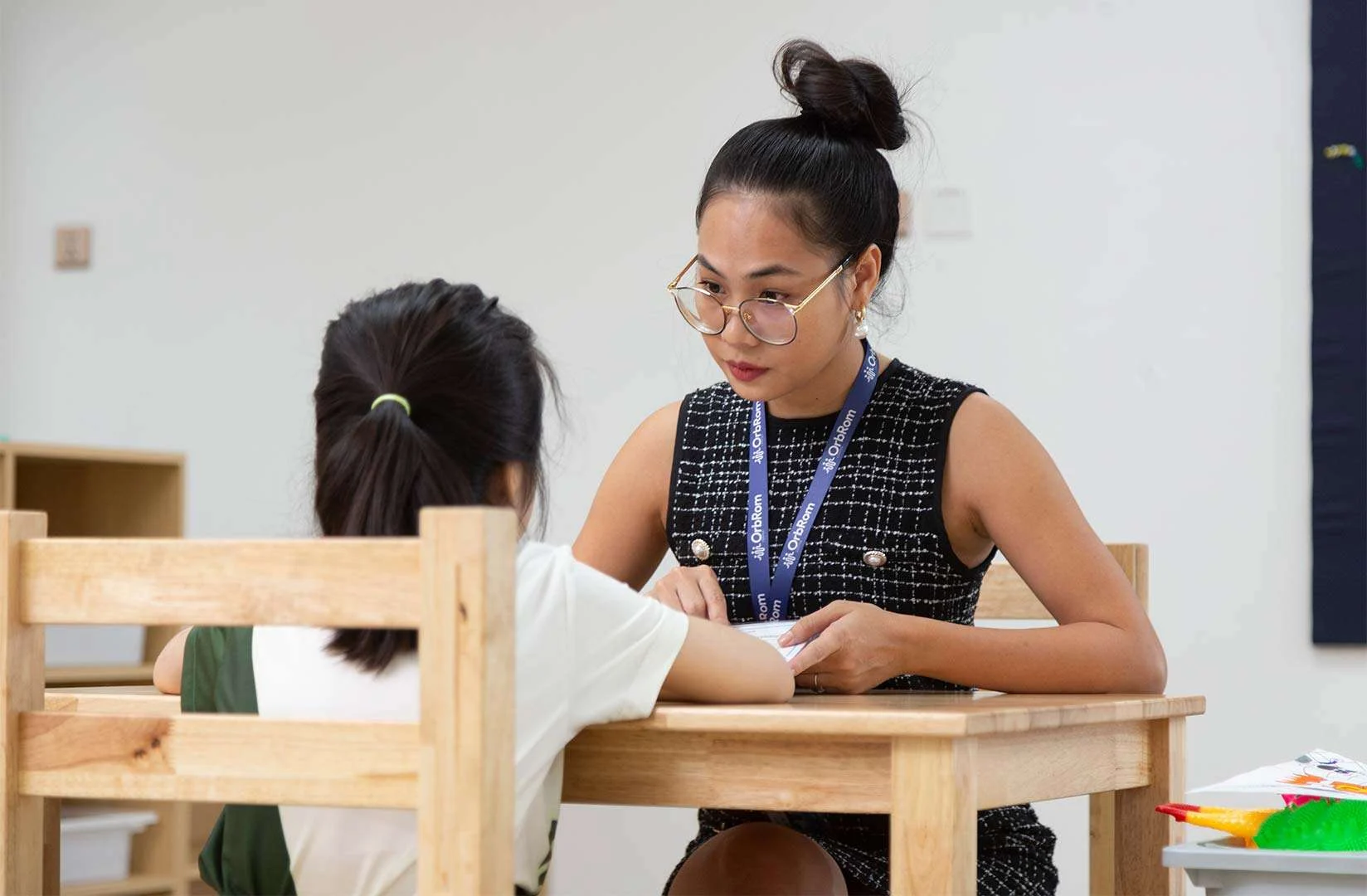
At OrbRom Center, families can access internationally recognized Developmental Assessments through trained specialists. These assessments identify strengths and learning needs to create a clear plan for support—not a label.
Learn more about assessments here:
👉 https://orbrom.com/assessments/
Preparing for the Best Learning Outcome
When children receive support early—before learning challenges become long-term barriers—they gain confidence, resilience, and a sense of capability. They communicate more, engage more socially, and become more comfortable exploring new skills and environments.
Parents in Phnom Penh now have access to resources and programs that help children thrive in supportive environments. This shift in awareness reflects a growing understanding: children do not need to fit into one mold. Instead, learning environments should adapt to the child—not the other way around.
Final Thoughts
Children are unique. Their strengths, challenges, and learning paths are all different. What matters most is that they feel supported, encouraged, and empowered—not compared or dismissed. With the right guidance, children gain confidence, independence, and the skills they need to thrive in school and life.
For families in Phnom Penh searching for individualized support, development-focused programs and professional guidance can make a transformative difference—helping children grow into confident, capable learners.
We are the only Preschool specialized on children with special needs in PhnomPenh.
| Included therapy sessions per month: |
| – Speech Therapy – 4 sessions / month |
| – Occupational Therapy – 4 sessions / month |
| – Free pre-enrollment assessment |
| – Individualized Learning Plans (ILPs) |
📞 Phone: 077.455.993
Telegram Link: https://t.me/OrbRom