
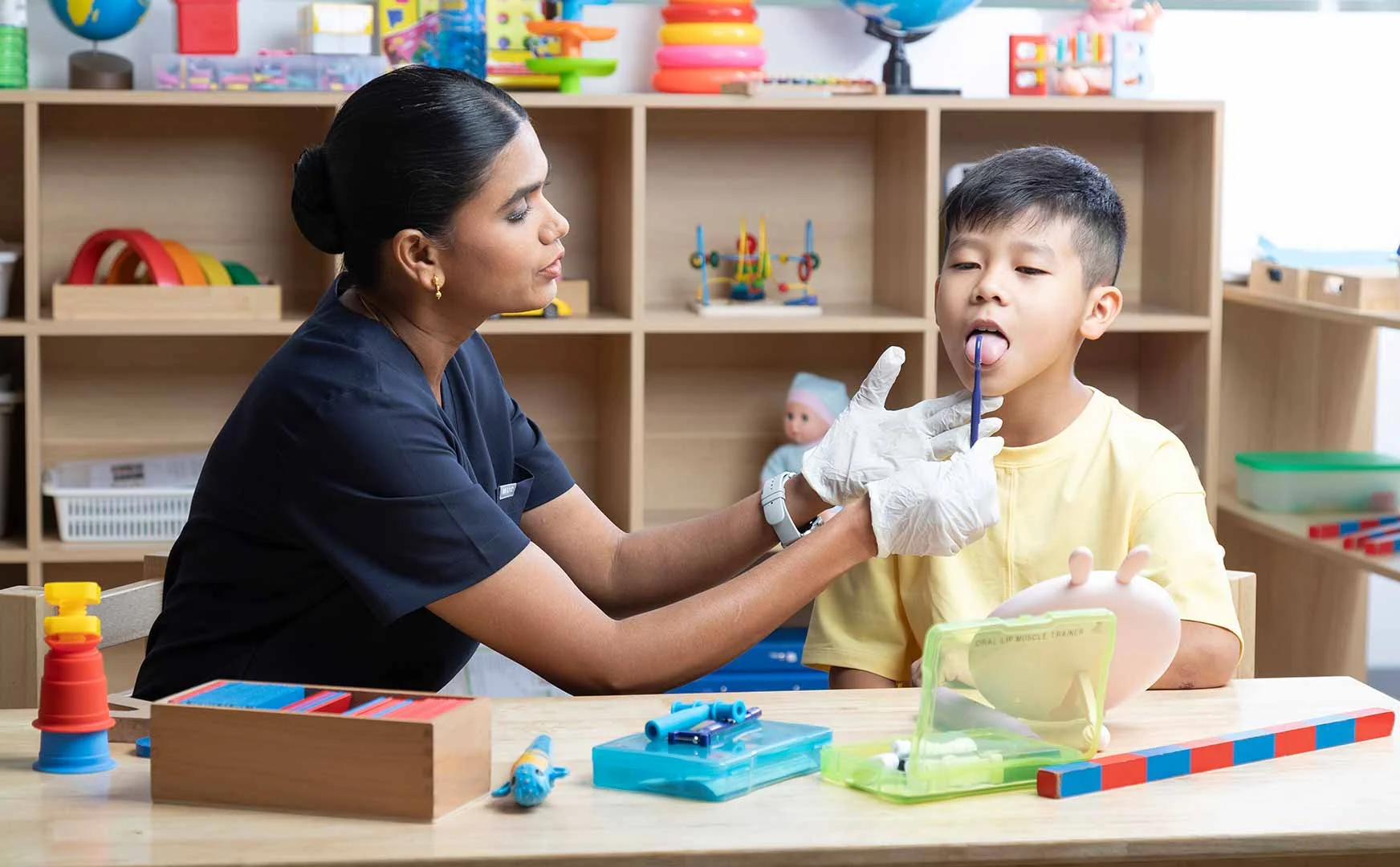
Aphasia is a language disorder that affects a person’s ability to speak, understand, read, or write. It often happens after a stroke, brain injury, infection, tumor, or neurological condition. Aphasia does not mean a person has lost intelligence. Instead, it means the brain is having difficulty accessing or organizing language.
For families in Phnom Penh, recognizing aphasia early can help someone receive the right communication support and regain confidence in daily life.
What Aphasia Can Look Like
A person with aphasia may know exactly what they want to say but struggle to find the words. They may use the wrong word, speak in short phrases, or have difficulty following conversations. Some people understand speech well but cannot express themselves clearly. Others may speak fluently, but their words may not make sense.
Common signs include:
Difficulty naming objects or people
Trouble understanding spoken instructions
Problems reading or writing
Frustration during conversations
Using gestures instead of words
Repeating words or phrases
Aphasia can be mild or severe. It may affect adults after a stroke, but children can also experience language difficulties after brain injury or developmental concerns.
Aphasia Is Not the Same as Speech Delay
Aphasia is different from a general speech delay. Speech delay usually refers to delayed development of speech and language, often seen in young children. Aphasia usually happens after language skills were already developed and then disrupted by brain changes or injury.
This is why proper evaluation matters. A speech-language professional can look at expressive language, receptive language, reading, writing, memory, and functional communication. OrbRom Center provides speech therapy support for individuals who need help improving communication skills in daily situations.
How Speech Therapy Helps Aphasia
Speech therapy for aphasia is practical and individualized. Therapy may focus on word retrieval, sentence formation, comprehension, conversation practice, reading, writing, and alternative communication strategies.
For example, if someone cannot say the word “water,” therapy may help them use description, gestures, picture support, or sound cues. The goal is not only perfect speech. The goal is functional communication: being able to express needs, join conversations, and feel less isolated.
Families can also learn helpful strategies, such as giving extra time to respond, using simple questions, reducing background noise, and avoiding finishing every sentence for the person.
For related communication concerns, parents and caregivers may also find this guide on communication and language disorders helpful.
When to Seek Support
Seek professional guidance if someone suddenly has trouble speaking, understanding language, reading, or writing. Sudden language difficulty can be a medical emergency, especially if it may be related to a stroke.
After medical care, therapy can help rebuild communication skills. OrbRom Center in Phnom Penh supports children and families through communication-focused intervention and structured therapy planning. For individuals who need broader developmental or learning support, assessments can help identify needs clearly and guide the next steps.
Aphasia can be frustrating, but with the right support, communication can improve. Progress may be gradual, but every word, gesture, and successful interaction matters.
We are the only Preschool specialized on children with special needs in PhnomPenh.
| Included therapy sessions per month: |
| – Speech Therapy – 4 sessions / month |
| – Occupational Therapy – 4 sessions / month |
| – Free pre-enrollment assessment |
| – Individualized Learning Plans (ILPs) |
📞 Phone: 077.455.993
Telegram Link: https://t.me/OrbRom

Leave A Comment