Encouraging spontaneous speech in young children with autism is less about prompting words and more about creating the right conditions for communication to emerge naturally. Many autistic children can label objects or repeat phrases, yet struggle to use language independently to express needs, share interests, or initiate interaction. Spontaneous speech develops when communication feels meaningful, safe, and worth the effort.
At OrbRom Center, supporting spontaneous speech means focusing on functional communication, motivation, and connection—especially during the early years, when the brain is most responsive to language learning.
What “spontaneous speech” really means
Spontaneous speech is language that a child uses on their own, without being asked or prompted. This can include:
-
Asking for help or an item
-
Commenting on what they see or feel
-
Calling a parent or teacher
-
Sharing excitement or frustration
For many children with autism, the challenge is not understanding words, but knowing when and why to use them. Social communication differences, sensory processing challenges, and limited joint attention can all reduce spontaneous language (see: social communication interaction challenges).
Build communication around motivation
Children are far more likely to speak when the topic matters to them. Instead of drilling flashcards, focus on:
-
Favorite toys, songs, or activities
-
Highly preferred snacks or games
-
Repetitive play that the child already enjoys
Pause during these moments. Wait expectantly. A look, a sound, or a gesture can be shaped into communication over time. This approach aligns with play-based, child-led language development rather than compliance-based speech.
Reduce pressure, increase opportunities
One common barrier to spontaneous speech is pressure. Constant prompting (“Say car,” “Use your words”) can actually shut communication down.
Helpful strategies include:
-
Modeling short, functional phrases without demanding repetition
-
Giving choices (“Car or ball?”) to encourage initiation
-
Using predictable routines so language has context
Children who feel safe to communicate imperfectly are more likely to try again.
Support sensory regulation first
A dysregulated child will not communicate well. If a child is overwhelmed by noise, touch, or movement, speech often decreases. Supporting regulation through sensory strategies can unlock communication capacity (see: sensory processing sensitivity and sensory play).
When children are calm and regulated, they are more available for interaction, attention, and speech.
Use visual and environmental supports
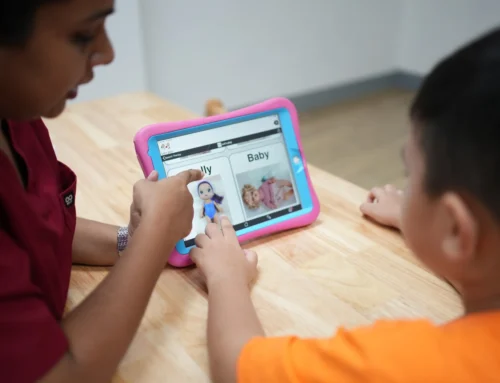
Visual supports help reduce cognitive load and make communication clearer. These might include:
-
Visual choice boards
-
Simple picture cues
-
Objects placed just out of reach to encourage requesting
Visual structure supports independence and reduces frustration, especially for children with limited verbal output (related reading: communication and language).
The role of speech therapy
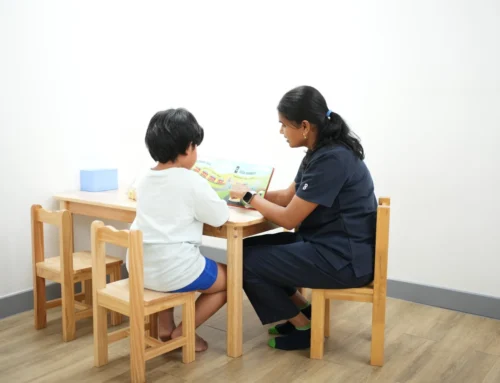
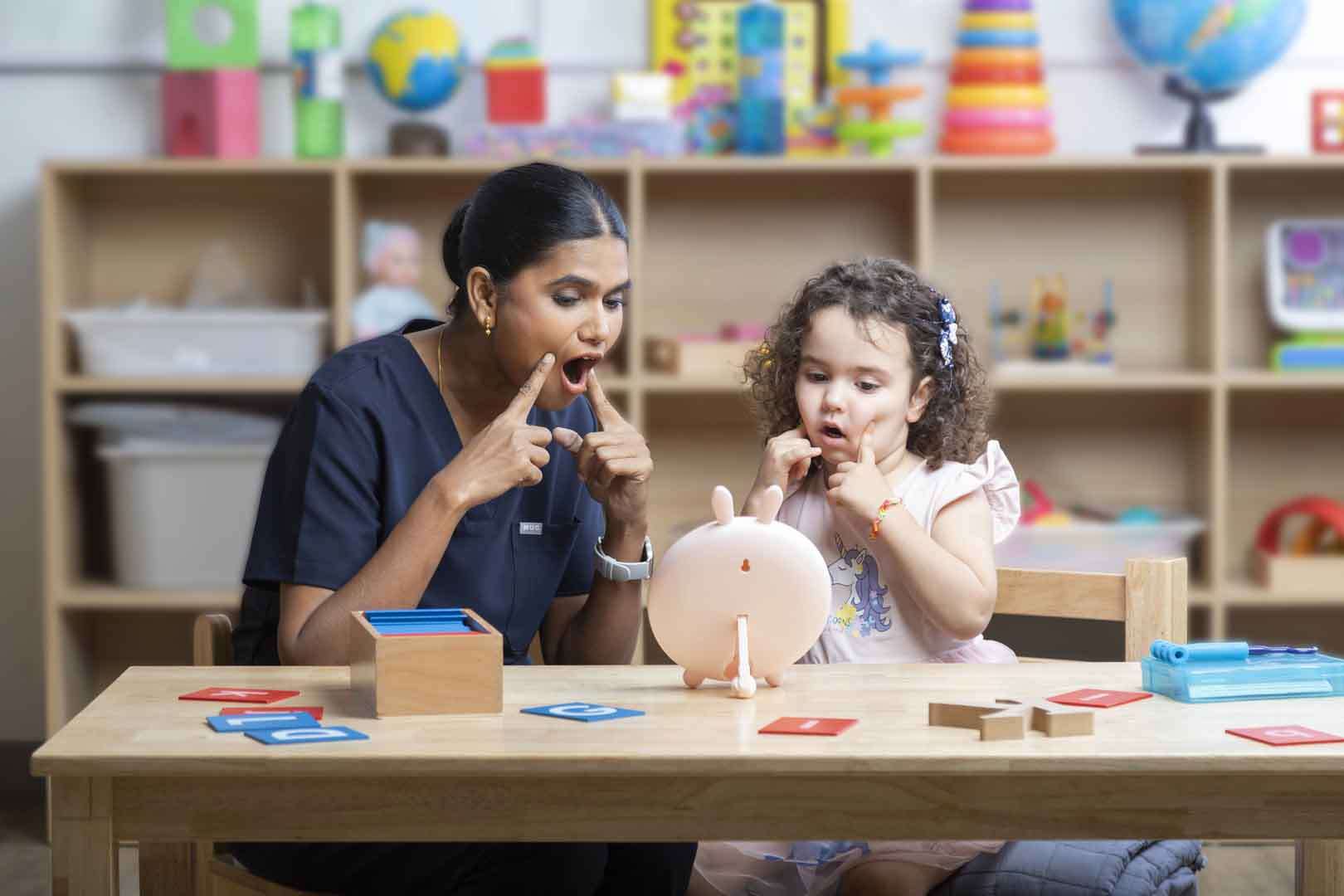
Encouraging spontaneous speech in young children with autism requires individualized strategies based on how a child processes language, interacts socially, and regulates sensory input. At OrbRom Center, speech therapy focuses on:
-
Functional communication, not just vocabulary
-
Play-based, naturalistic interaction
-
Parent coaching to support language at home
If you want to explore professional support, learn more here: Speech therapy. For families unsure where to start, understanding the broader role of therapy can also help (see: what is speech therapy).
Spontaneous speech does not appear overnight. It grows through connection, consistency, and meaningful interaction. With the right supports in place, many children with autism begin to use language more freely—on their own terms, in their own time.
We are the only Preschool specialized on children with special needs in PhnomPenh.
- Internationally qualified teachers
- Cambodia’s largest sensory room
- Outdoor swimming pool
- Covered outdoor playground
📞 Phone: 077.455.993
Telegram Link: https://t.me/OrbRom