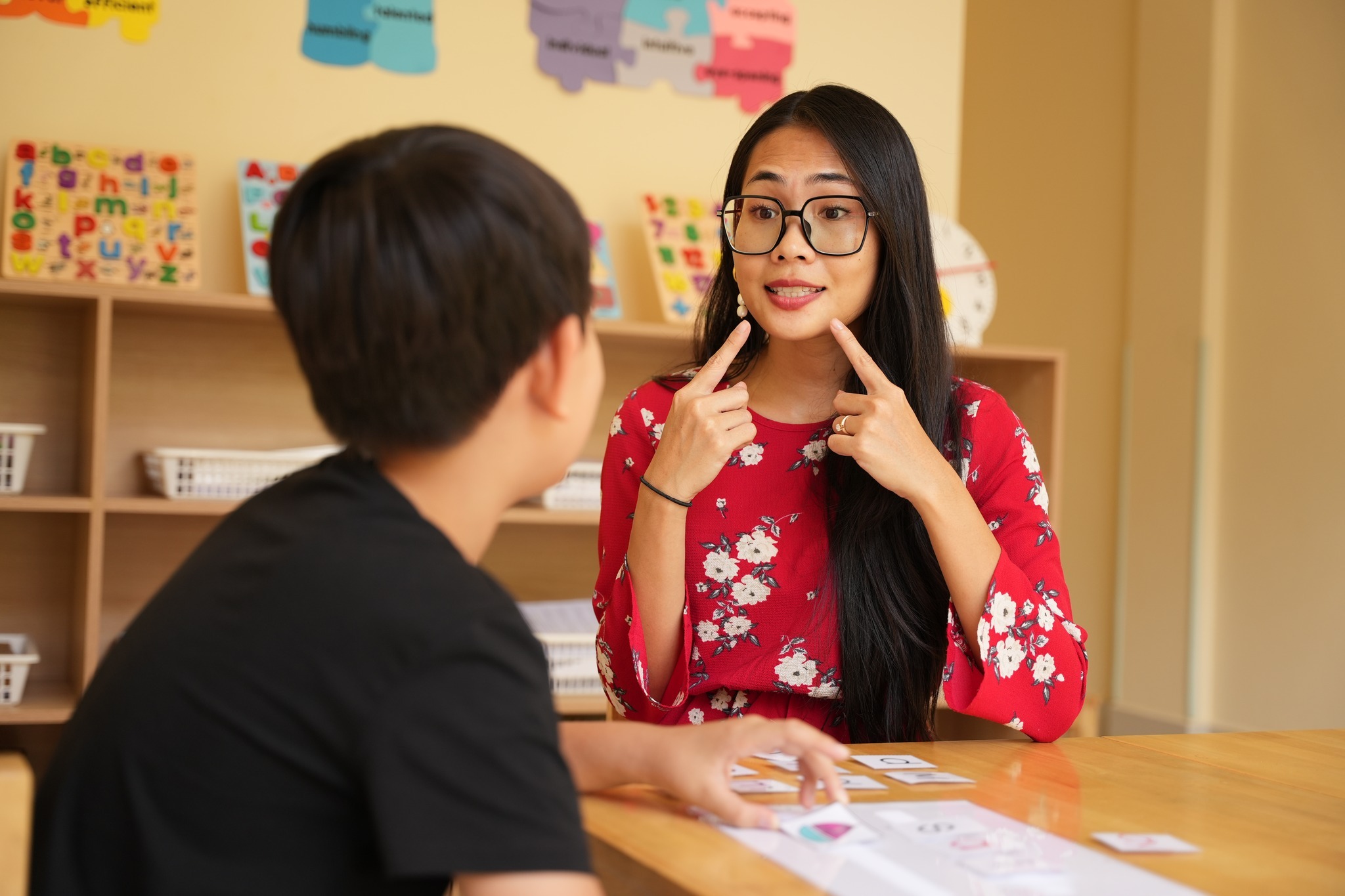
One-on-one support for children with special needs in Phnom Penh
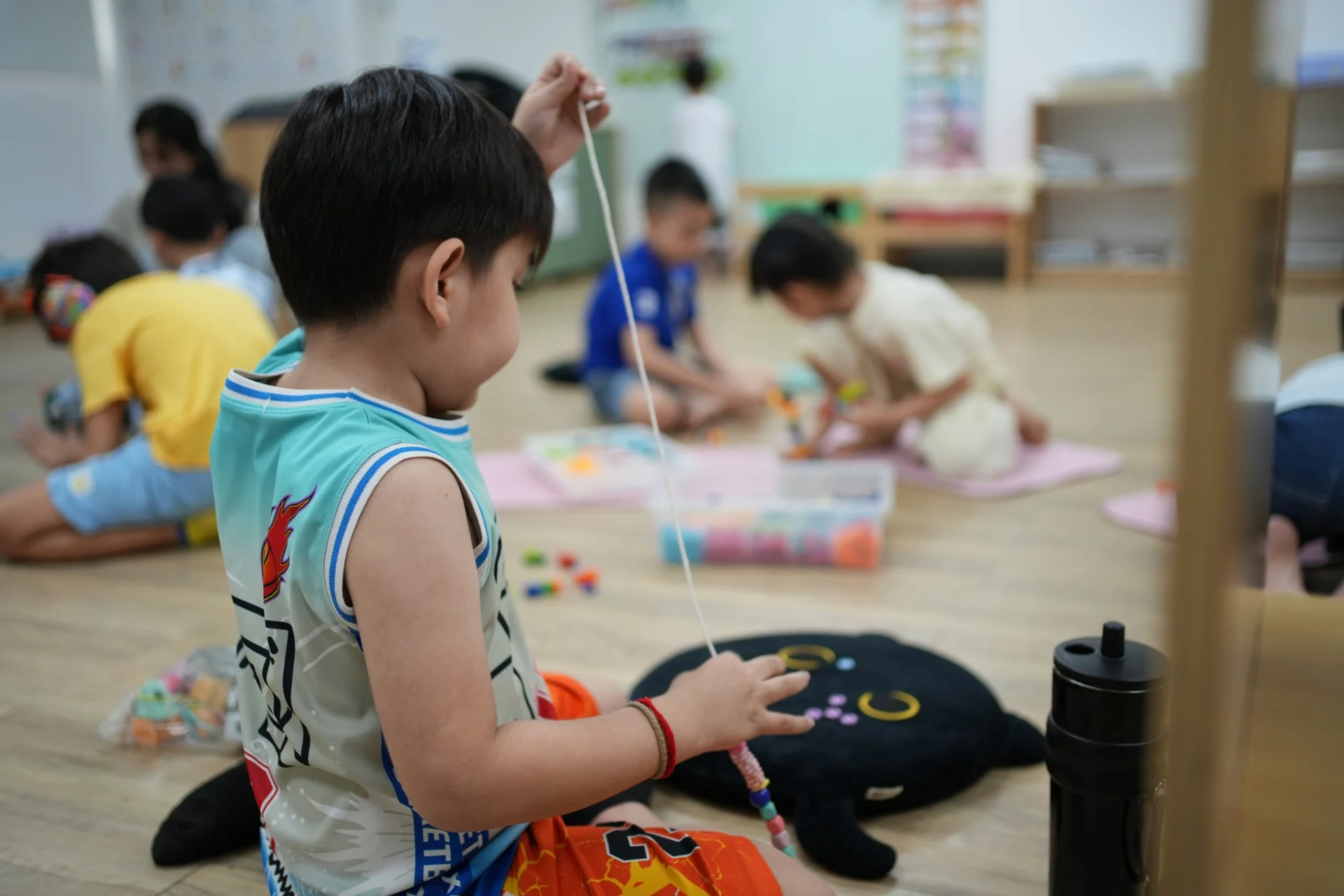
One-on-one support for children with special needs provides individualized teaching when a child needs more targeted instruction than a group setting can offer. It may help with communication, early literacy, attention to tasks, independence or participation in classroom routines. The purpose is to teach useful skills, measure progress and help the child apply those skills at home, at school and with other children.
At OrbRom Center in Phnom Penh, individualized special education begins with identifying a child’s strengths, learning barriers and priorities. A one-to-one session should have a clear purpose rather than simply keeping a child occupied or separated from peers.
When individualized teaching is useful
Some children benefit from additional practice with skills that are difficult to learn during whole-class instruction. A teacher can break an activity into manageable steps, model a response, provide prompts and gradually reduce assistance. For example, a child who struggles to follow two-step directions might first practise a single direction with visual support before combining steps in a classroom routine.
One-on-one support is not automatically the best setting for every goal. Social interaction, group participation and play with peers often need to be practised in natural settings. An individualized plan should include opportunities to generalize skills rather than relying indefinitely on adult-led sessions.
What one-on-one special education can address
Effective teaching targets observable skills that matter in the child’s daily life. Common priorities include:
- Early learning: Practising letter recognition, early number concepts and following classroom instructions at an appropriate level.
- Task participation: Using short instructions, visual schedules and planned breaks to help a child begin and complete activities.
- Independence: Teaching routines such as organizing materials, requesting assistance and completing age-appropriate self-care tasks.
- Functional communication: Creating opportunities to make choices, ask for help and understand everyday instructions, with speech-language therapy input when indicated.
- Participation and regulation: Identifying triggers for distress, adapting demands and teaching safer, more effective ways to communicate needs.
How OrbRom Center plans individualized support
An initial assessment helps identify current abilities, family concerns and the skills most relevant to daily participation. The teacher then develops an individualized learning plan with specific targets. Activities may involve structured play, visual supports, direct teaching, practical routines and opportunities for independent practice.
For example, instead of a vague goal such as “improve attention,” a plan might target completing a short classroom task using a visual checklist with fewer adult prompts. Teachers can document how much help the child needs and review whether the skill appears in other settings. When appropriate, special education teachers coordinate with speech therapy or occupational therapy to address related communication or daily living needs.
How parents can evaluate a one-on-one program
Ask who will teach your child, what qualifications and supervision they have, how progress is measured and when goals are reviewed. Request examples of targets that can be observed outside the therapy room. Find out how the program communicates with parents and schools and whether the level of adult assistance is reduced as the child becomes more independent.
A child who can complete a task only with continuous prompting may still need help applying that skill independently. Regular progress reviews should consider whether teaching methods, frequency or setting need adjustment. Families can also explore OrbRom’s preschool program when group learning and school readiness are priorities.
One-on-one support at OrbRom Center
One-on-one support for children with special needs is most useful when it addresses an identified learning barrier and produces progress that carries into everyday life. OrbRom Center provides individualized special education support in Phnom Penh, with assessment-informed goals and collaboration with families. Parents can contact OrbRom Center to discuss their child’s needs and the appropriate next steps.
We are the only Preschool specialized on children with special needs in PhnomPenh.
| Included therapy sessions per month: |
| – Speech Therapy – 4 sessions / month |
| – Occupational Therapy – 4 sessions / month |
| – Free pre-enrollment assessment |
| – Individualized Learning Plans (ILPs) |
📞 Phone: 077.455.993
Telegram Link: https://t.me/OrbRom