

Therapy in school is no longer a luxury—it is a practical, evidence-based approach that helps children succeed academically, socially, and emotionally. When therapy is embedded into the school environment, students don’t have to “pause learning” to receive support. Instead, support becomes part of how they learn.
For many children, especially those with developmental delays, communication challenges, or sensory needs, school can be overwhelming. Therapy in school addresses these challenges directly where they happen.
What Does Therapy in School Look Like?
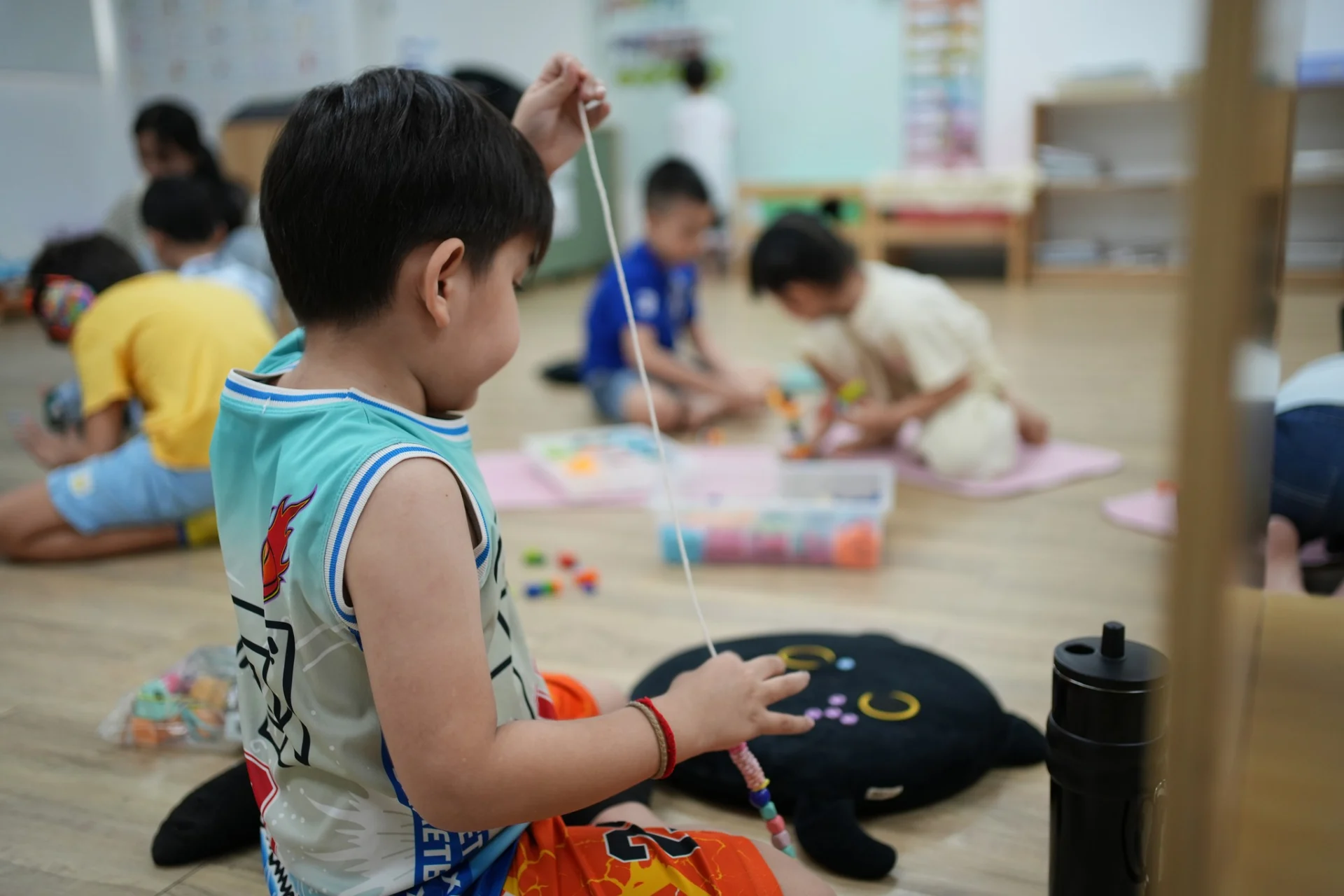
Therapy in school is not separate from education—it works alongside it. A therapist may support a child during classroom activities, transitions, or structured sessions. This integrated model allows children to practice skills in real situations, not just in isolated settings.
For example:
- A child struggling with communication may receive targeted support through speech therapy during group activities.
- A child with fine motor difficulties may build writing skills through occupational therapy during classroom tasks.
- A child needing more structured support may benefit from special needs intensive intervention to develop core learning and behavioral skills.
This approach ensures that therapy is functional, relevant, and immediately applicable.
Why Therapy in School Is More Effective
One of the main advantages of therapy in school is context. Skills learned in isolation often don’t transfer easily. But when therapy happens in the same environment where challenges occur, children can generalize skills faster.
For instance, a child learning to answer questions in therapy can immediately apply that skill during class discussions. This reinforces learning and builds confidence.
Research and practice both show that consistent, contextual support leads to better outcomes. Articles like individualized support is key highlight how tailored intervention within real environments accelerates progress.
Supporting Different Types of Learners
Every classroom includes a wide range of learners. Therapy in school helps teachers meet these diverse needs without lowering expectations.
Children with attention difficulties may benefit from structured strategies explained in teaching students with ADHD, while those with sensory challenges can improve regulation through approaches similar to those discussed in sensory processing sensitivity.
Additionally, communication challenges are common in school-aged children. Resources like communication and language emphasize how critical early support is for long-term academic success.
Therapy in school creates a system where these needs are addressed proactively rather than reactively.
Collaboration Between Therapists and Teachers
Effective therapy in school depends on collaboration. Therapists and teachers work as a team, aligning goals and strategies. This ensures consistency, which is essential for children who rely on routine and predictability.
When everyone is working toward the same outcomes, progress becomes measurable and sustainable. Schools that adopt inclusive models, such as those described in inclusive education environment, often see improvements not just in individual students, but across the entire classroom.
A Practical Approach for Families
For parents, therapy in school reduces logistical challenges. Instead of traveling to multiple appointments, support happens during the school day. More importantly, parents can see how therapy directly impacts academic performance and daily functioning.
In Phnom Penh, more families are recognizing the value of integrated support. Therapy is no longer something separate—it is part of a child’s educational journey.
Final Thoughts on Therapy in School
Therapy in school is about meeting children where they are and giving them the tools to succeed in real environments. It bridges the gap between clinical support and academic learning, creating a more inclusive and effective education system.
When therapy is integrated into school life, children don’t just improve skills—they build independence, confidence, and long-term success.
We are the only Preschool specialized on children with special needs in PhnomPenh.
| Included therapy sessions per month: |
| – Speech Therapy – 4 sessions / month |
| – Occupational Therapy – 4 sessions / month |
| – Free pre-enrollment assessment |
| – Individualized Learning Plans (ILPs) |
📞 Phone: 077.455.993
Telegram Link: https://t.me/OrbRom

Leave A Comment