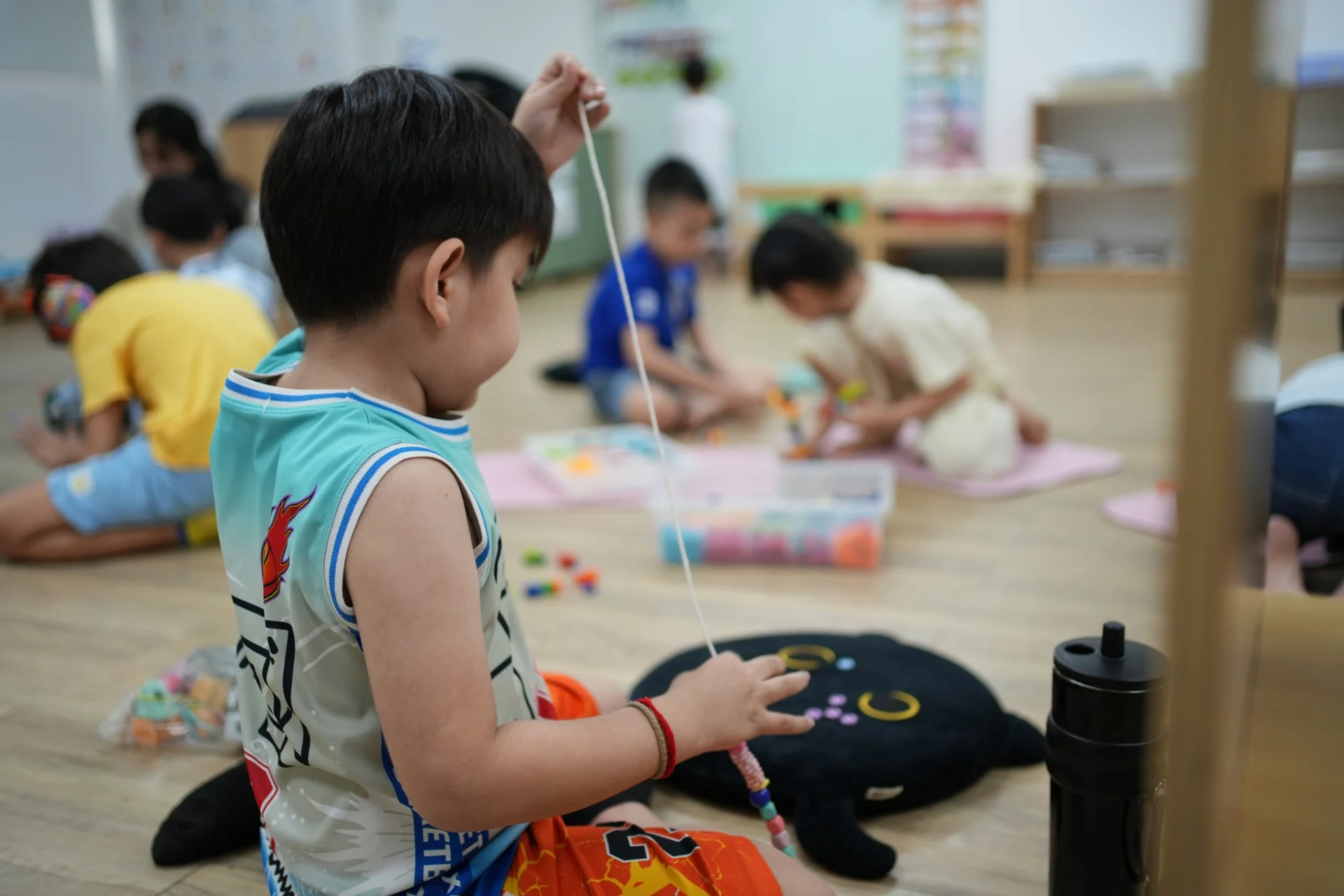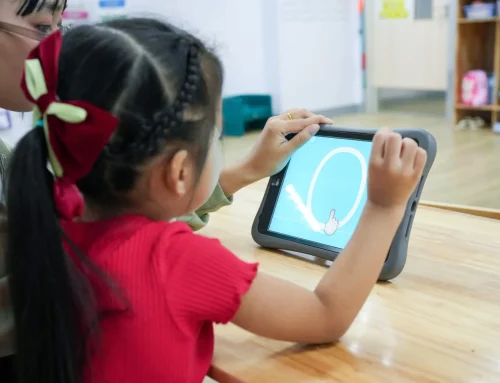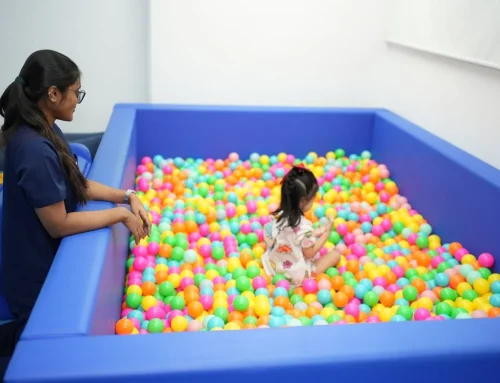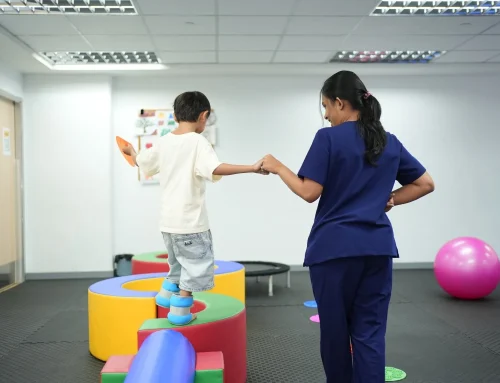

Sensory processing differences can affect how children experience noise, touch, movement and other sensations. Occupational therapy may help when these differences interfere with meaningful daily activities.
Identify the affected routine
A child who avoids dressing may find particular seams or fabrics uncomfortable. Another may struggle to eat in a noisy cafeteria. Record the circumstances, the child’s response and adjustments that help.
How occupational therapists assess sensory needs
Assessment may include caregiver and teacher interviews, observation and appropriate standardized questionnaires. Therapists consider motor skills, communication, environmental demands and other factors that may affect participation. Sensory processing disorder is not a standalone DSM-5-TR diagnosis.
Match strategies to the child’s needs
Offer clothing choices, reduce unnecessary noise or adjust the sequence of a difficult routine. Movement activities may be appropriate when linked to individual goals. Do not force exposure to distressing sensations or assume weighted equipment and deep pressure are universally calming.
Evaluate functional outcomes
Agree on a goal such as dressing with less distress or participating comfortably during a classroom activity. Monitor the child’s response and discontinue ineffective or uncomfortable strategies. Evidence varies across sensory-based interventions.
OrbRom Center provides occupational therapy and assessments in Phnom Penh.
We are the only Preschool specialized on children with special needs in PhnomPenh.
| Included therapy sessions per month: |
| – Speech Therapy – 4 sessions / month |
| – Occupational Therapy – 4 sessions / month |
| – Free pre-enrollment assessment |
| – Individualized Learning Plans (ILPs) |
📞 Phone: 077.455.993
Telegram Link: https://t.me/OrbRom