
Occupational therapy activities for developmental delays
Occupational therapy activities for developmental delays should be selected according to the child’s functional needs, rather than a standard exercise list. A therapist may target hand use, coordination, dressing, feeding or participation in classroom routines. Each activity needs a clear purpose and a way to measure progress.
Therapists use a variety of techniques to improve motor skills, sensory processing, self-care abilities, and social interaction. At OrbRom Center, we specialize in providing personalized occupational therapy programs tailored to each child’s unique needs.
1. Fine-motor activities for everyday skills
For a child who struggles to fasten clothing, practising buttons on a dressing board may be more relevant than completing unrelated hand exercises. Activities involving small objects require age-appropriate supervision because of choking risks.
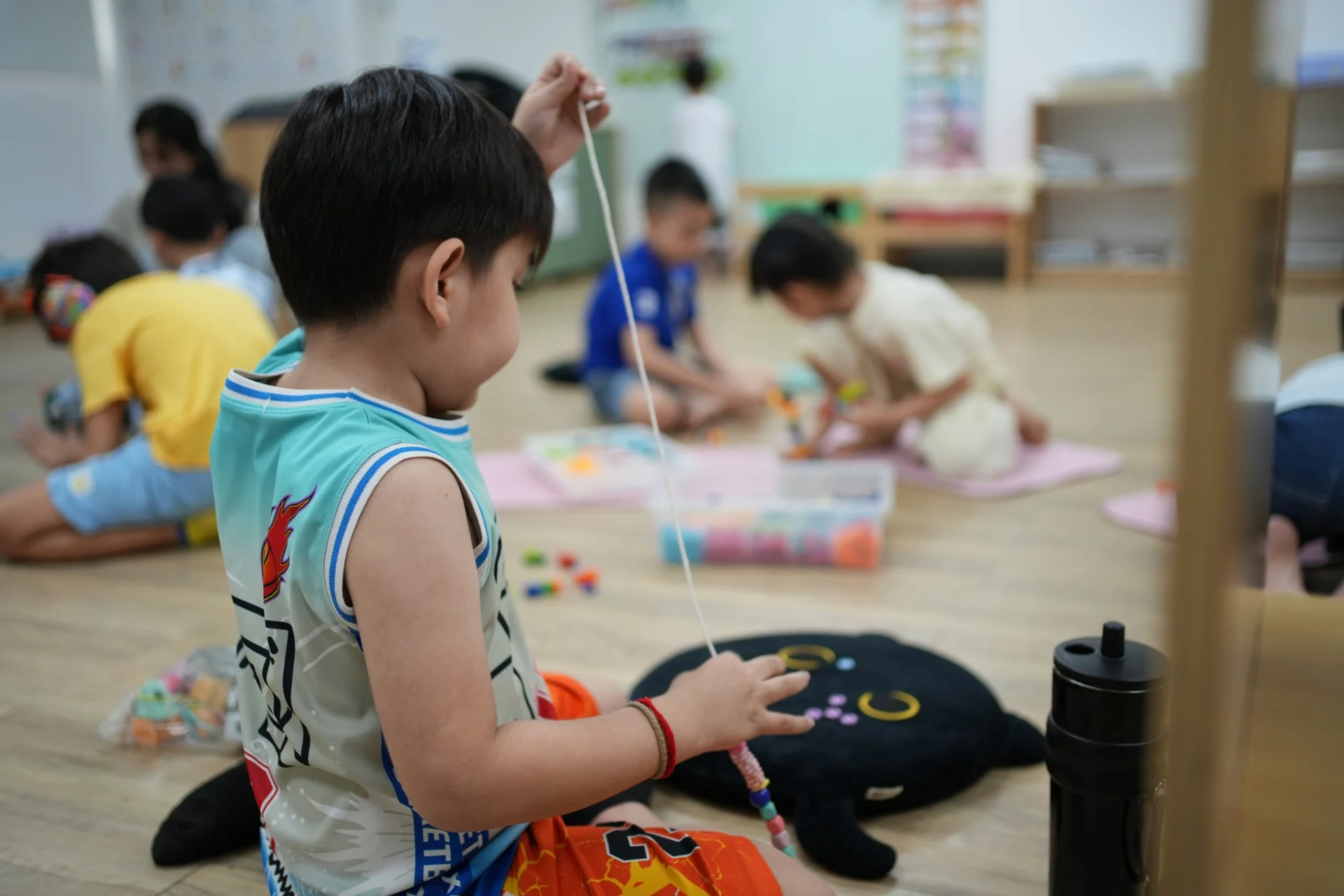
Fine motor skills involve small muscle movements, such as grasping objects, using utensils, and writing. Therapists often use:
- Finger Exercises: Activities like stringing beads and playing with modeling clay strengthen hand muscles.
- Pinching Tools: Tweezers and clothespins help improve finger control and coordination.
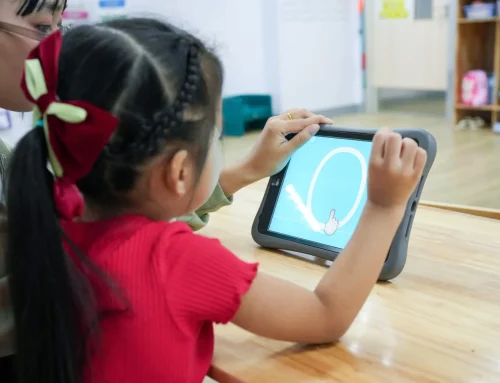
- Handwriting Practice: Tracing letters, coloring, and dot-to-dot puzzles build pre-writing and writing abilities.
2. Gross Motor Skill Improvement
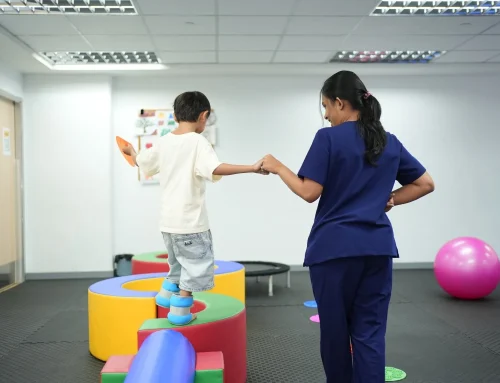
Gross motor skills focus on larger muscle groups needed for walking, jumping, and balance. Effective strategies include:
- Obstacle Courses: Designed to promote strength, coordination, and balance.
- Animal Walks: Movements like crab walks and bear crawls improve muscle tone and motor planning.
- Ball Activities: Catching and throwing balls enhance hand-eye coordination and timing.
3. Sensory accommodations and activity choices
Before recommending swinging, tactile materials or weighted products, assess the child’s sensory responses and the task affected. Start with low-risk environmental adaptations, such as reducing noise, offering texture choices or adjusting the timing of routines. Weighted items and intensive movement activities require individual safety consideration.
Sensory-based activities should be selected only after identifying a functional difficulty, such as tolerating grooming or participating in class. Evidence for specific sensory approaches varies, so therapists should monitor meaningful outcomes rather than promise improvements from a particular tool or exercise.
Children with developmental delays often struggle with sensory processing. Occupational therapists help them regulate responses to sensory stimuli through:
- Sensory Bins: Containers filled with rice, beans, or sand allow children to explore textures.
- Swing Therapy: Promotes balance and calming sensations through rhythmic movement.
- Weighted Vests and Blankets: Provide deep pressure input to help children feel grounded.
4. Self-Care Training
Teaching independence in daily tasks is a major focus of OT. Techniques include:
- Dressing Practice: Using fasteners like zippers, buttons, and Velcro in fun activities.
- Eating Skills: Learning to use utensils and cups effectively.
- Toileting Programs: Establishing routines and visual schedules for bathroom independence.
5. Social and Play Skills
Therapists also address social and emotional development through:
- Role-Playing Games: Simulating real-life scenarios to improve communication and social interaction.
- Group Activities: Encouraging teamwork, sharing, and turn-taking.
- Emotion Charts: Teaching children to identify and express feelings appropriately.
How occupational therapy goals are reviewed
Parents can ask whether the child now completes a meaningful task with less assistance, uses the skill at home and participates more comfortably at school. Progress may require adjusting the activity, environment or level of prompting. Learn about occupational therapy at OrbRom Center and related speech therapy support.
At OrbRom Center, we combine occupational therapy with speech therapy to deliver comprehensive interventions. Our programs are designed to help children overcome challenges and thrive in school and home environments. Whether your child needs assistance with motor skills, sensory integration, or self-care, our therapists are here to help.
We are the only Preschool specialized on children with special needs in PhnomPenh.
| Included therapy sessions per month: |
| – Speech Therapy – 4 sessions / month |
| – Occupational Therapy – 4 sessions / month |
| – Free pre-enrollment assessment |
| – Individualized Learning Plans (ILPs) |
📞 Phone: 077.455.993
Telegram Link: https://t.me/OrbRom