
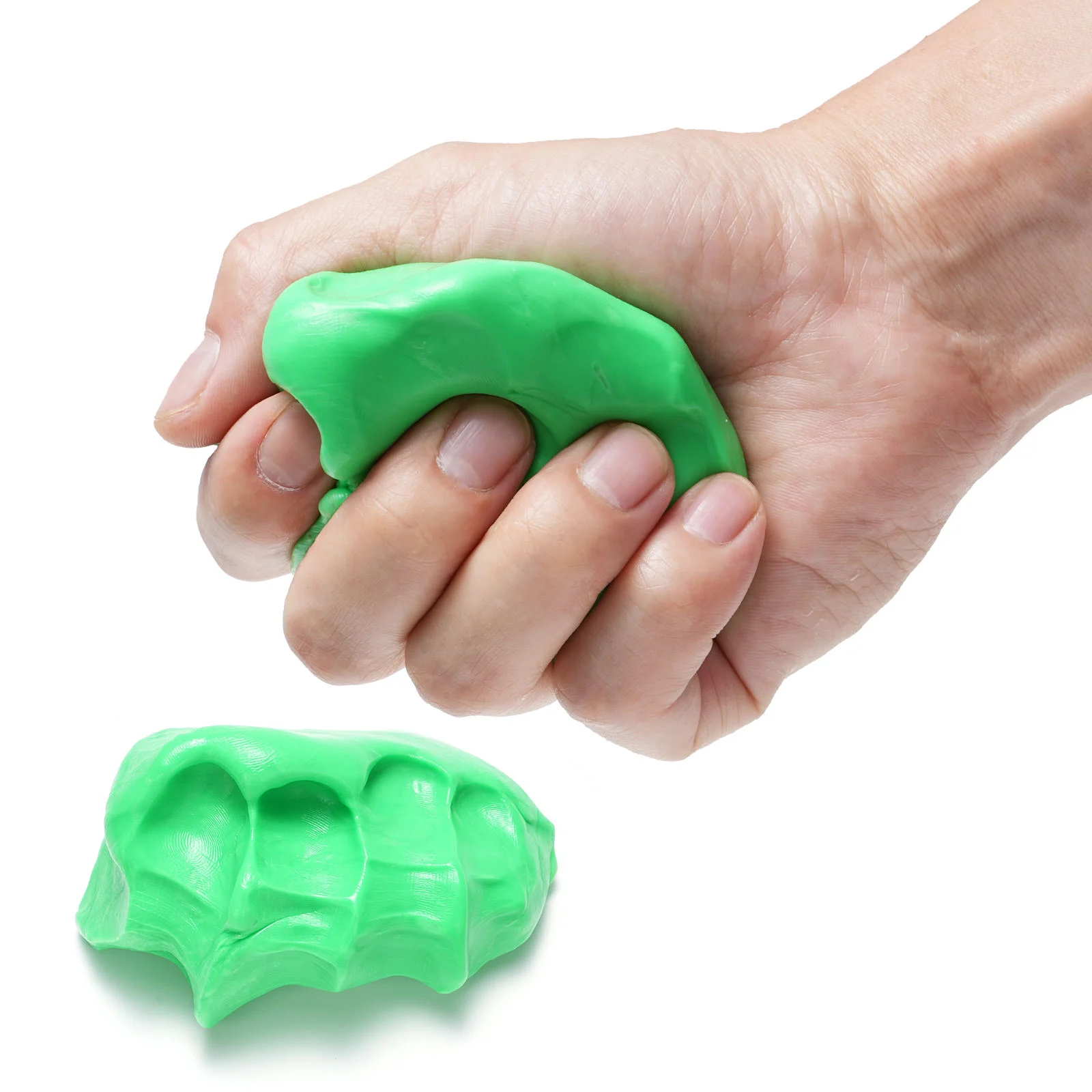
Children learn best when activities feel engaging and hands-on. For many children with autism, ADHD, sensory processing challenges, or fine motor difficulties, sensory-based activities can improve focus while also strengthening important developmental skills. One simple but highly effective tool is a sensory therapy exercise putty set.
The Sensory Therapy Exercise Putty Set available through OrbRom Center is designed to support hand strength, fine motor development, sensory regulation, and attention skills through play-based interaction. Unlike ordinary play materials, therapy putty is often used by occupational therapists to target specific developmental goals in children.
Why Fine Motor Skills Matter
Therapy putty exercises for children may support finger strength and coordination when these are relevant to everyday tasks such as fastening clothing or manipulating classroom tools. A therapist should assess whether strength is actually limiting performance; not every handwriting difficulty is caused by weak hands.
Fine motor skills involve the small muscles of the hands and fingers. These skills affect many daily tasks children perform at home and school, including:
- Holding a pencil
- Using scissors
- Buttoning clothes
- Opening containers
- Typing
- Coloring and drawing
- Managing utensils during meals
Children with weak hand strength or poor motor coordination may avoid writing tasks, struggle with independence, or become frustrated during classroom activities.
Parents who want to better understand motor development can explore fine motor development and focus and occupational therapy developing fine motor skills.
How Therapy Putty Supports Development
Examples include rolling putty into a rope, pinching small sections and pressing with individual fingers. Select resistance appropriate to the child’s ability, stop if there is pain and supervise use. Putty must not be eaten; small pieces can be a choking hazard, especially for younger children or those who mouth objects.
Therapy putty provides resistance when squeezed, stretched, rolled, or pinched. These movements help strengthen hand muscles while also supporting sensory regulation.
Activities with sensory putty may help children:
- Improve grip strength
- Develop finger coordination
- Increase attention and concentration
- Reduce stress and restlessness
- Support handwriting readiness
- Build bilateral hand coordination
Many therapists use putty exercises during occupational therapy sessions because children often stay engaged longer when activities feel playful instead of repetitive.
Some children also use therapy putty as a calming sensory tool during transitions, homework time, or classroom activities. Similar sensory-based activities can be found in strengthening hand muscles and sensory processing through play dough activities and 5 benefits of playing with slime.
Sensory Regulation Through Hands-On Activities
Children who seek tactile sensory input often enjoy squeezing, stretching, or manipulating sensory materials. These activities can help regulate the nervous system and improve emotional control.
For some children with ADHD, tactile activities may help increase focus during seated tasks. For children with autism or sensory processing challenges, sensory putty can provide calming proprioceptive input that supports self-regulation.
Many families combine tactile sensory activities with other sensory supports such as sensory rocking chairs or calming movement breaks to create a more balanced sensory routine at home or school.
Using Therapy Putty at Home and School
Connect practice to a functional goal and measure whether daily activities become easier. Therapy putty is not a proven standalone treatment for attention or emotional regulation. For individualized fine-motor assessment, see occupational therapy at OrbRom Center.
Choose putty resistance and tasks to match the child’s hand strength and therapy goals. Start with short, supervised activities such as pinching, rolling and finding large objects embedded in putty. Avoid use if the child may mouth or swallow pieces, and follow the manufacturer’s age and safety guidance. Putty practice alone does not guarantee better handwriting or attention.
One of the advantages of therapy putty is that it is portable, simple to use, and adaptable to different skill levels. Parents and teachers can easily integrate it into daily routines.
Examples include:
- Warm-up activities before handwriting
- Stress reduction during homework
- Finger strengthening exercises
- Sensory breaks during classroom work
- Fine motor games during therapy sessions
The key is consistency. Short daily activities often produce better progress than occasional longer sessions.
When Additional Support May Be Helpful
If a child struggles significantly with handwriting, dressing, coordination, attention, or sensory regulation, professional intervention may be beneficial.
Occupational therapy at OrbRom Center helps children improve fine motor skills, sensory processing, self-regulation, and independence through individualized therapy programs.
For children with broader developmental concerns, developmental assessments can help identify underlying challenges affecting motor skills, attention, or learning.
As more families in Cambodia become aware of sensory processing and developmental support strategies, practical sensory tools are becoming an important part of home and school routines. A sensory therapy exercise putty set may appear simple, but for many children, it becomes a powerful tool for strengthening skills, improving focus, and supporting emotional regulation.
We are the only Preschool specialized on children with special needs in PhnomPenh.
| Included therapy sessions per month: |
| – Speech Therapy – 4 sessions / month |
| – Occupational Therapy – 4 sessions / month |
| – Free pre-enrollment assessment |
| – Individualized Learning Plans (ILPs) |
📞 Phone: 077.455.993
Telegram Link: https://t.me/OrbRom

Leave A Comment