
Every child deserves a way to communicate. Whether through spoken language, gestures, pictures, or technology, communication is the foundation of learning, relationships, and independence.
At OrbRom Center, speech and language therapy focuses on helping children develop meaningful communication skills that can be used in everyday life. For many children with autism, developmental language disorders, childhood apraxia of speech, or other communication challenges, Augmentative and Alternative Communication (AAC) plays an important role in that journey.
What Is AAC?
AAC (Augmentative and Alternative Communication) includes a wide range of tools that help children express themselves. These may include:
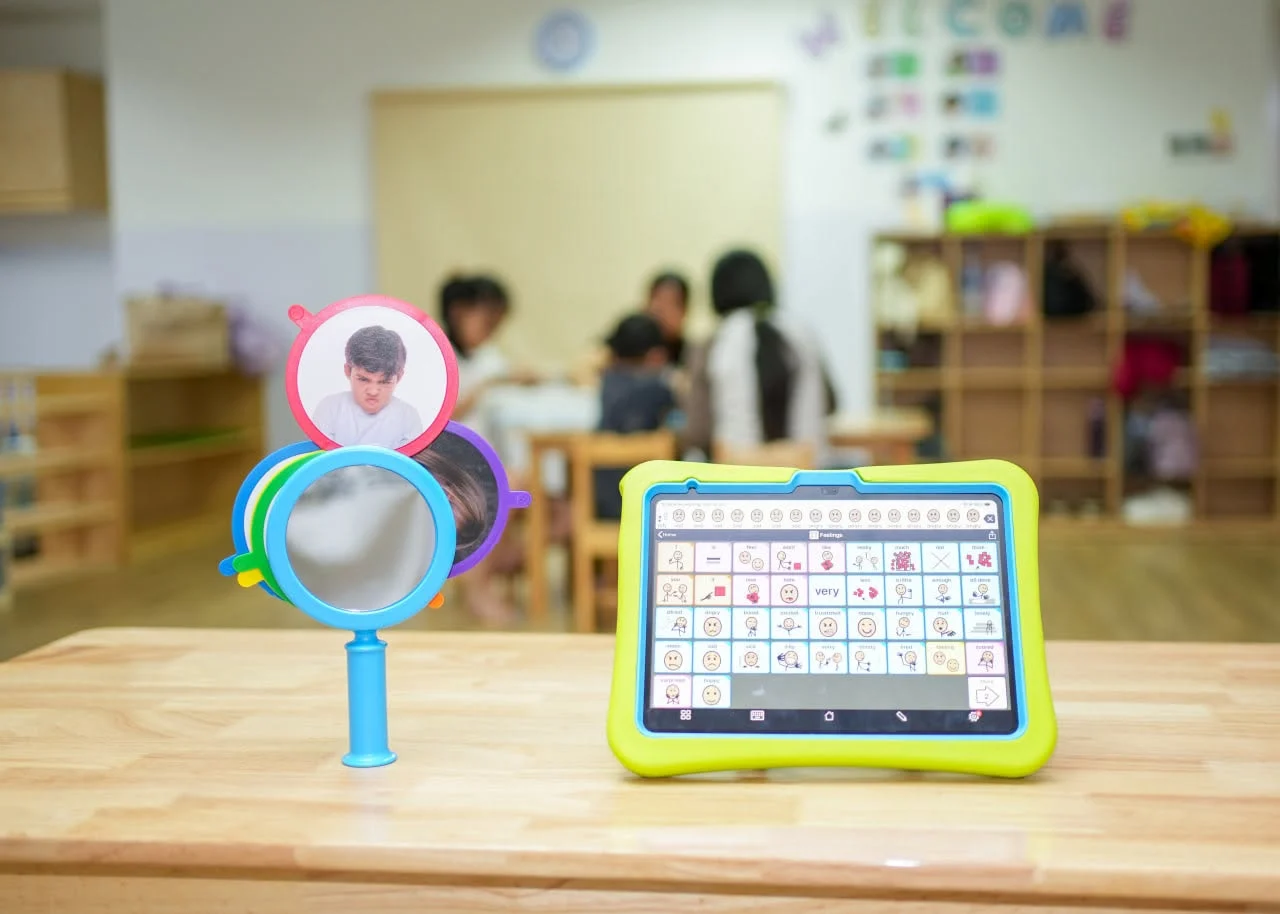
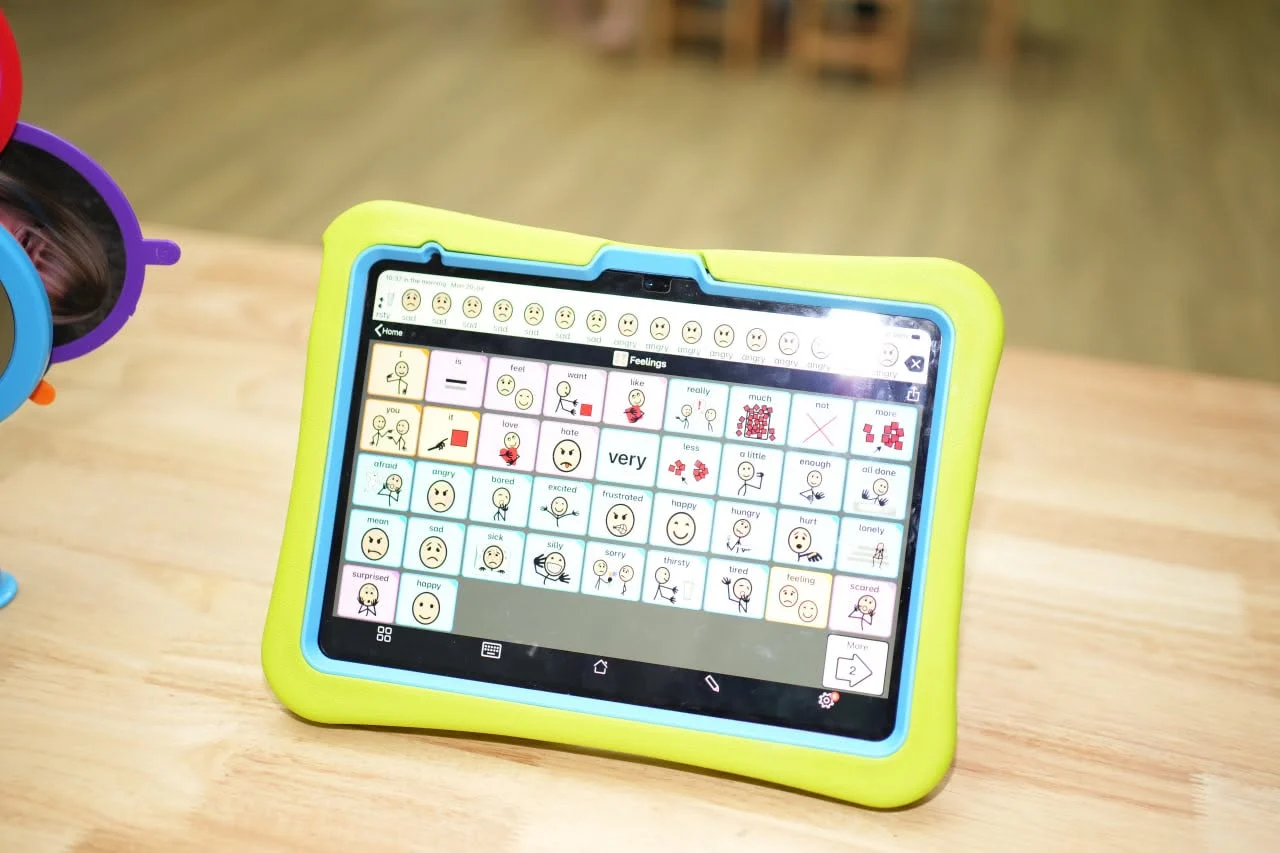
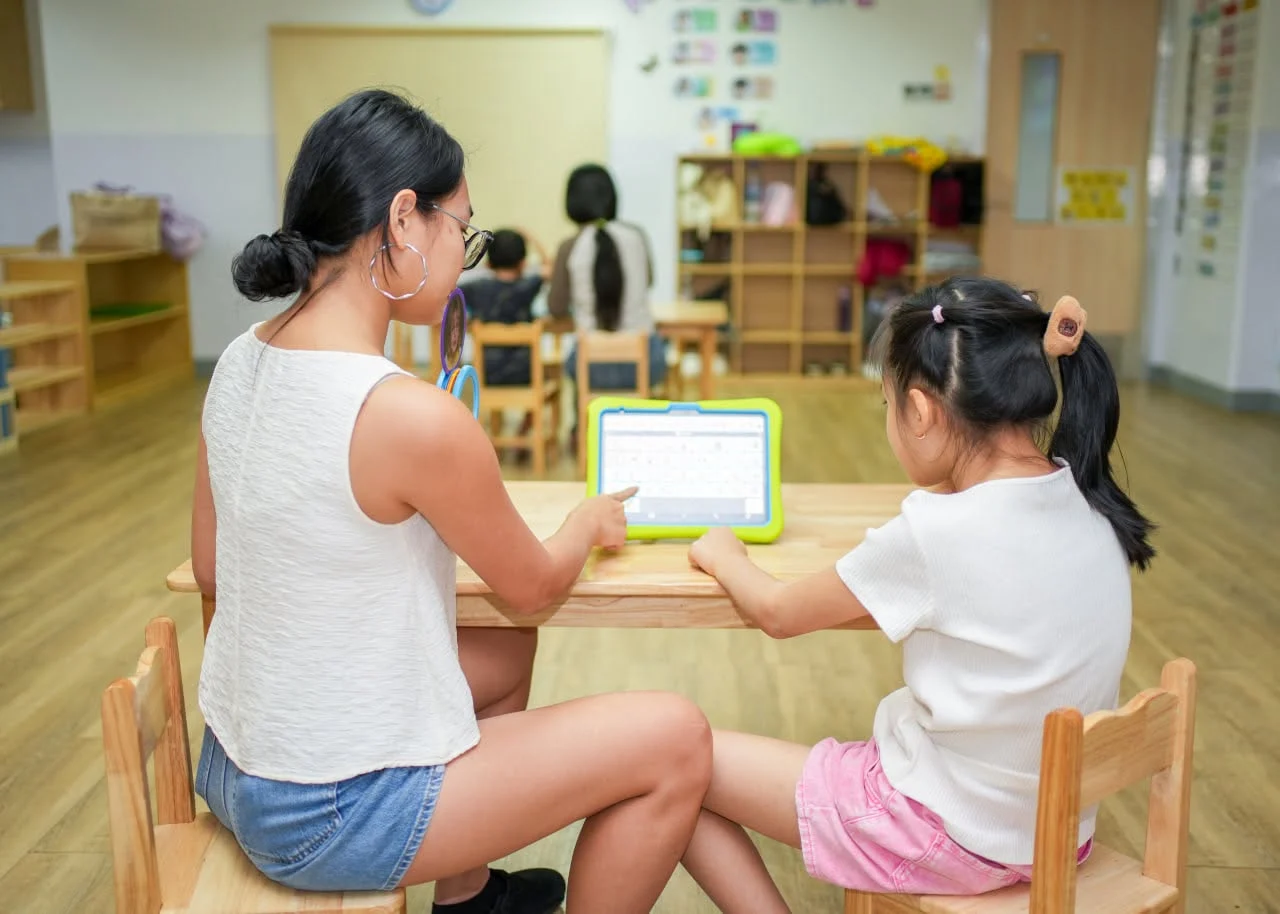
- Communication apps on tablets
- Picture symbols
- Communication boards
- Visual schedules
- Core vocabulary systems
AAC is not a replacement for speech. Research consistently shows that providing children with effective communication methods can actually support spoken language development while reducing frustration and increasing participation.
Building Functional Communication
During speech therapy sessions, the goal extends beyond teaching individual words. Therapists help children communicate for meaningful purposes, including:
- Requesting items or activities
- Expressing feelings and emotions
- Answering questions
- Making choices
- Participating in conversations
- Interacting with family members, teachers, and peers
These skills are practiced through structured activities and real-life situations so they can be used naturally outside the therapy room.
Using Visual Supports
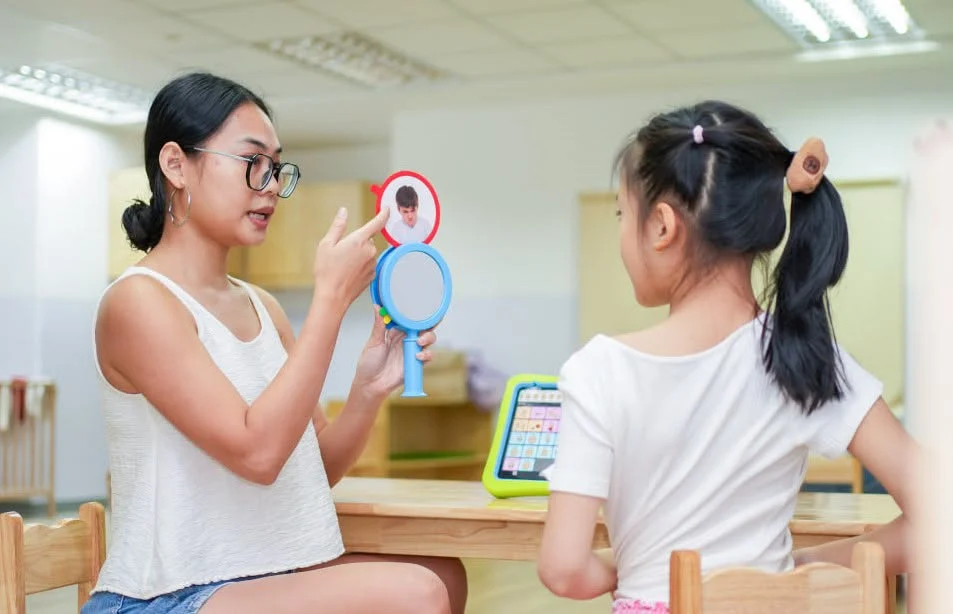
Visual supports are often paired with AAC to make communication easier and more consistent. Emotion cards, mirrors, facial expression activities, and visual prompts help children recognize emotions, understand social situations, and connect language with everyday experiences.
When children can identify how they feel and communicate those feelings effectively, they often become more confident and engaged during learning and social interactions.
Individualized Intervention
Every child communicates differently. At OrbRom Center, speech therapy programs are individualized based on each child’s assessment results, strengths, and goals.
Therapists continually adjust strategies as children develop new skills, ensuring that communication systems remain appropriate and effective. Families are also encouraged to use AAC strategies at home, helping children practice communication across different environments.
Technology as a Tool
Modern AAC applications provide children with an accessible way to communicate independently. When introduced appropriately, technology becomes a bridge between the child’s ideas and the people around them.
The objective is never to make children dependent on a device. Instead, it is to provide them with a reliable method of communication while supporting overall language development.
Every Voice Matters
Communication is one of the most important life skills a child can develop. Whether a child communicates through speech, symbols, gestures, or an AAC device, the goal remains the same—to help them express themselves confidently and participate fully in their home, school, and community.
At OrbRom Center, we believe that every child deserves to be heard, and every successful interaction is another step toward greater independence and lifelong learning.
We are the only Preschool specialized on children with special needs in PhnomPenh.
| Included therapy sessions per month: |
| – Speech Therapy – 4 sessions / month |
| – Occupational Therapy – 4 sessions / month |
| – Free pre-enrollment assessment |
| – Individualized Learning Plans (ILPs) |
📞 Phone: 077.455.993
Telegram Link: https://t.me/OrbRom
Leave A Comment