
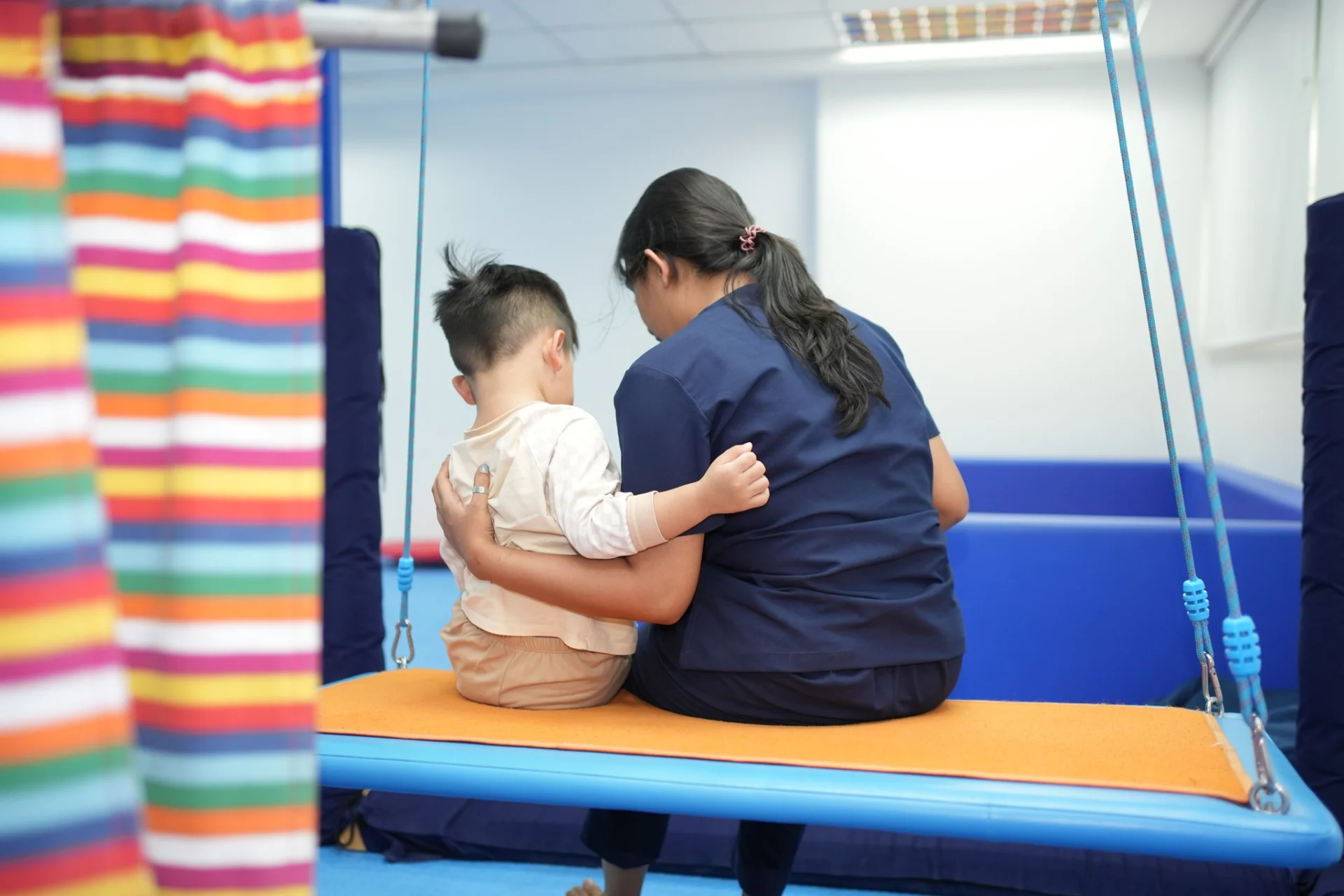
An inclusive preschool program should help children build communication, independence, relationships, and the skills needed to participate in everyday learning. At OrbRom Center in Phnom Penh, early education brings together structured classroom teaching and individualized developmental support. The aim is to respond to each child’s learning needs while providing opportunities to develop confidence and participate in school and community life.
Learning beyond academic preparation
Preschool education includes early academic skills, but children also need opportunities to communicate their needs, interact with peers, manage routines, and become more independent. These abilities influence participation throughout the school day. A child may be learning to request help, follow a visual schedule, join a small-group activity, or manage a transition. Educators can identify practical goals and incorporate repeated opportunities to practise them within familiar routines.
A multidisciplinary preschool team
OrbRom’s preschool program is supported by internationally qualified special education teachers, speech-language pathologists, occupational therapists, and early years educators and trained support staff. These professionals contribute different perspectives to children’s learning and development. Special education teachers can adapt instruction, speech-language pathologists address communication needs, and occupational therapists support participation in daily activities involving motor and sensory demands. Collaboration helps staff coordinate goals instead of treating each area of development separately.
Communication and social participation
Children develop communication skills through classroom routines, play, and interactions with adults and peers. Some children use spoken language, while others benefit from gestures, pictures, or other communication supports. Educators can model functional language, offer choices, and allow processing time. Small-group activities provide opportunities to practise turn-taking and shared participation. Expectations should be adapted to each child rather than requiring everyone to communicate in the same way.
Supporting sensory and motor development
Sensory experiences and motor skills affect how children engage with classroom materials, movement activities, and daily routines. Activities may involve balance, coordination, fine motor control, or exploration of different textures. Occupational therapists can help identify barriers to participation and recommend suitable adaptations when needed. Some children benefit from quieter spaces, modified materials, or movement opportunities. The goal is meaningful access to learning, with attention to each child’s comfort and safety.
Structured learning and individualized support
Predictable routines can help children understand what happens next and prepare for transitions. Visual schedules, clear instructions, and manageable activity steps may support participation. Within a structured classroom, educators can adjust the level of assistance and the complexity of tasks. Individual goals may address early literacy, numeracy, communication, independence, or social interaction. Regular observation and progress review help determine whether strategies remain appropriate as children develop. Families can contribute information about how these skills appear at home, helping the team distinguish emerging abilities from skills the child can use independently across settings.
Preparing children for greater independence
Preschool provides opportunities to practise everyday skills such as organizing belongings, choosing materials, asking for assistance, and participating in group routines. Independence develops gradually and looks different for each learner. Families and educators can work together to identify priorities and use consistent strategies across settings. Progress may involve completing part of a routine with fewer prompts or using a new communication skill in a familiar activity.
OrbRom preschool in Phnom Penh
OrbRom Center offers an inclusive preschool program supported by speech therapy, occupational therapy, and individualized special education intervention. Families can contact the center to discuss their child’s developmental needs and explore suitable early learning support.
Leave A Comment