
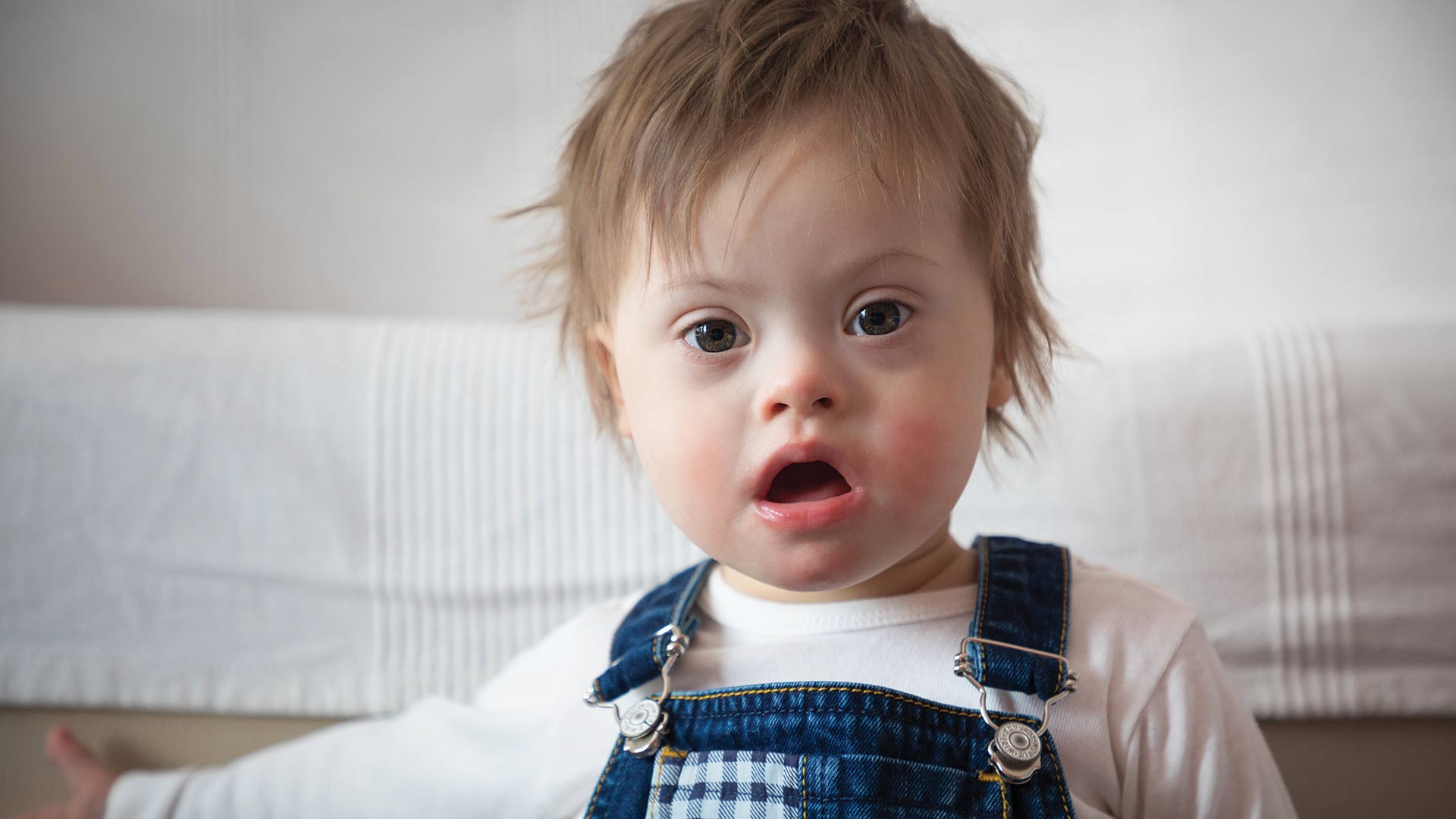
October is Down Syndrome Awareness Month, an opportunity to celebrate people with Down syndrome and turn awareness into everyday inclusion. For families, teachers and communities, that means giving children opportunities to communicate, make choices, build friendships and participate in learning.
At OrbRom Center in Phnom Penh, we encourage families to look beyond a diagnosis and focus on the individual child: their interests, strengths, current skills and the support that helps them take the next step.
Understanding the Child Beyond the Diagnosis
Down syndrome is a genetic condition involving an extra copy of chromosome 21. It can affect development, including how children learn and communicate, but abilities and support needs differ from person to person. A diagnosis alone does not tell you everything about a child’s potential.
Start with useful questions: What does your child enjoy? How do they ask for help? Which parts of their day can they manage independently? Where do they need more time or a different approach?
These observations help families and educators choose meaningful goals, such as requesting a drink, joining a game or putting away belongings.
Down Syndrome Awareness Month: Make Communication Accessible
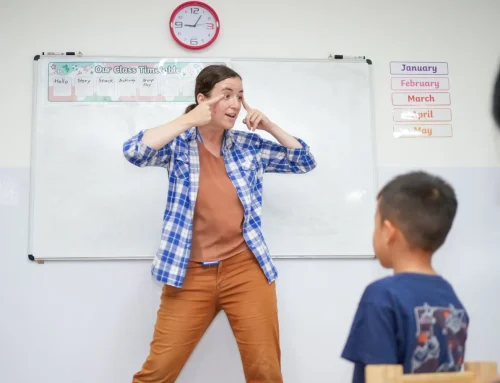
Communication involves more than spoken words. A child may use gestures, signs, pictures or a communication device alongside speech. Responding to these attempts gives the child a way to participate while developing their skills.
During everyday routines, try these approaches:
- Offer two clear choices and allow time for a response.
- Use short sentences without making your tone babyish.
- Pair instructions with a gesture or demonstration.
- Follow the child’s interests during play.
- Expand their message: if they say “car,” you might respond, “The car is going!”
OrbRom Center’s speech therapy can support communication goals based on the child’s needs. Speech and language therapy is among the early intervention services commonly used to support children with Down syndrome.
Build Independence Through Everyday Practice
Small routines provide opportunities to practise useful skills. Rather than completing every task for your child, identify one step they can attempt with support.
For dressing, this might mean pulling up a zip after an adult connects it. At mealtimes, it could mean holding a spoon or carrying a cup to the table. Demonstrate the step, give enough time and gradually reduce help as the child becomes more confident.
OrbRom Center’s occupational therapy can help families identify practical goals for daily activities and participation. The aim is to make everyday routines more accessible and support greater independence.
Make Inclusion Part of the School Day
Being present in a classroom is only the beginning. Meaningful inclusion means having an active role in lessons, games and friendships.
Teachers can break instructions into smaller steps, demonstrate activities and provide extra response time. During group play, give each child a clear role. A child who needs support with speech can still choose materials, take a turn or contribute through pictures and gestures.
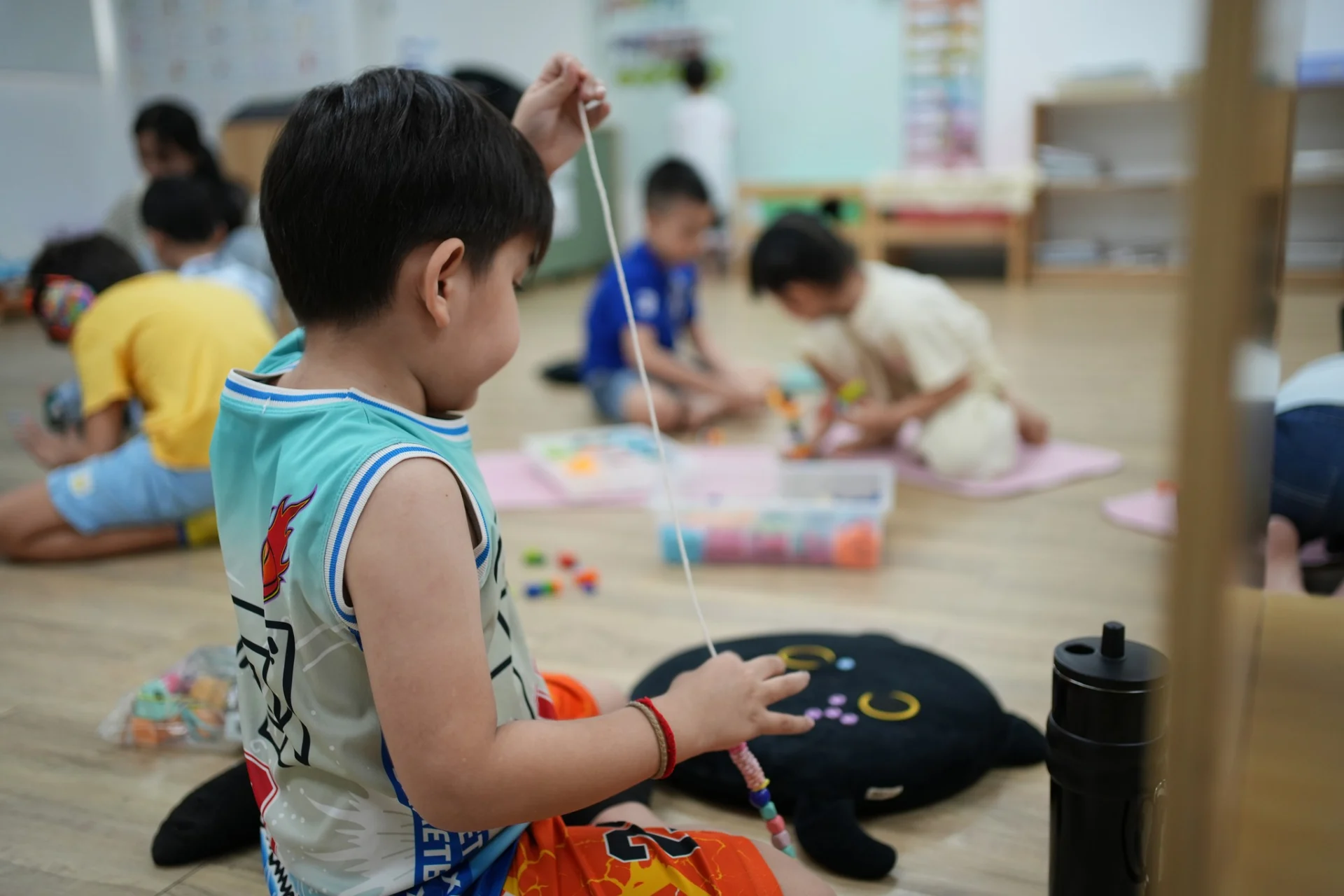
OrbRom Center’s preschool program supports children as they develop communication, classroom participation and school readiness skills. Sharing successful strategies between home and school helps children practise consistently.
Down Syndrome Awareness Month reminds us that inclusion grows through everyday actions. Listen to each child, respect their choices and create opportunities to participate. Support should build on who they are and help them work towards goals that matter in their daily lives.
We are the only Preschool specialized on children with special needs in PhnomPenh.
| Included therapy sessions per month: |
| – Speech Therapy – 4 sessions / month |
| – Occupational Therapy – 4 sessions / month |
| – Free pre-enrollment assessment |
| – Individualized Learning Plans (ILPs) |
📞 Phone: 077.455.993
Telegram Link: https://t.me/OrbRom
Leave A Comment