
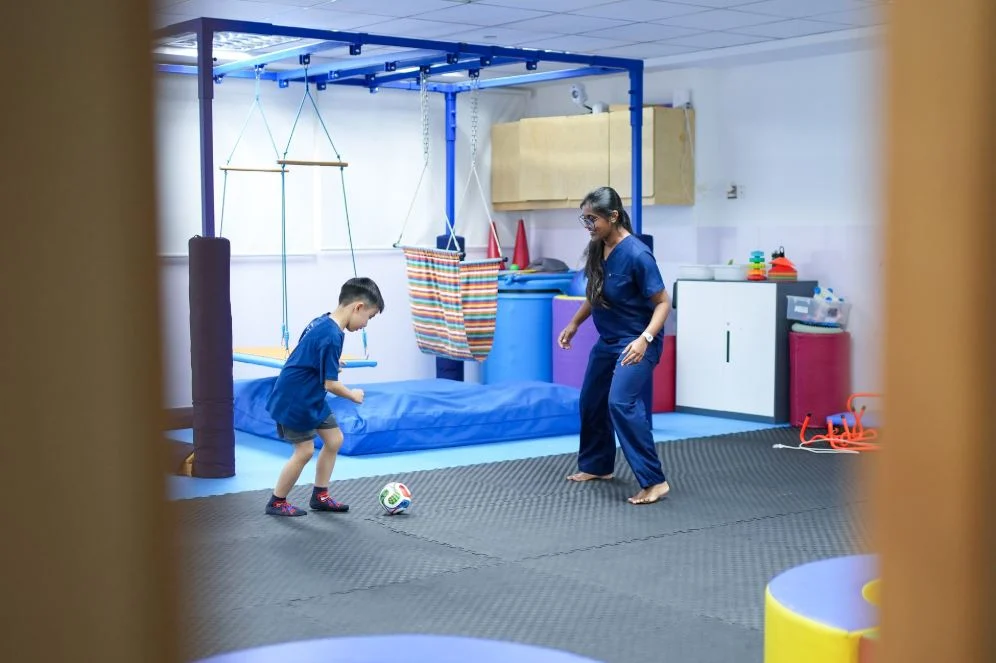
Everyday achievements can make a big difference in a child’s life: fastening a button, joining a classroom activity, holding a pencil more comfortably, or managing a busy environment with greater confidence.
This World Occupational Therapy Day, 27 October, OrbRom Center celebrates the therapists who help children build these skills—and the children and families working towards meaningful goals every day.
The 2026 theme, “Participation Matters,” reflects the purpose behind occupational therapy: helping people take part in the activities, routines, and experiences that matter to them.
Celebrating Our Occupational Therapists
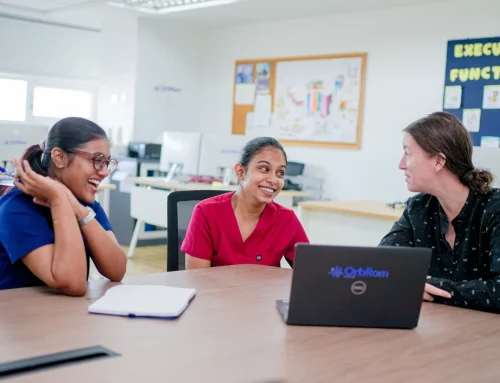
At OrbRom Center, we are proud to recognise Saona M Siddiq and Mariyam Lamiya for the care, knowledge, and commitment they bring to our occupational therapy services in Phnom Penh.
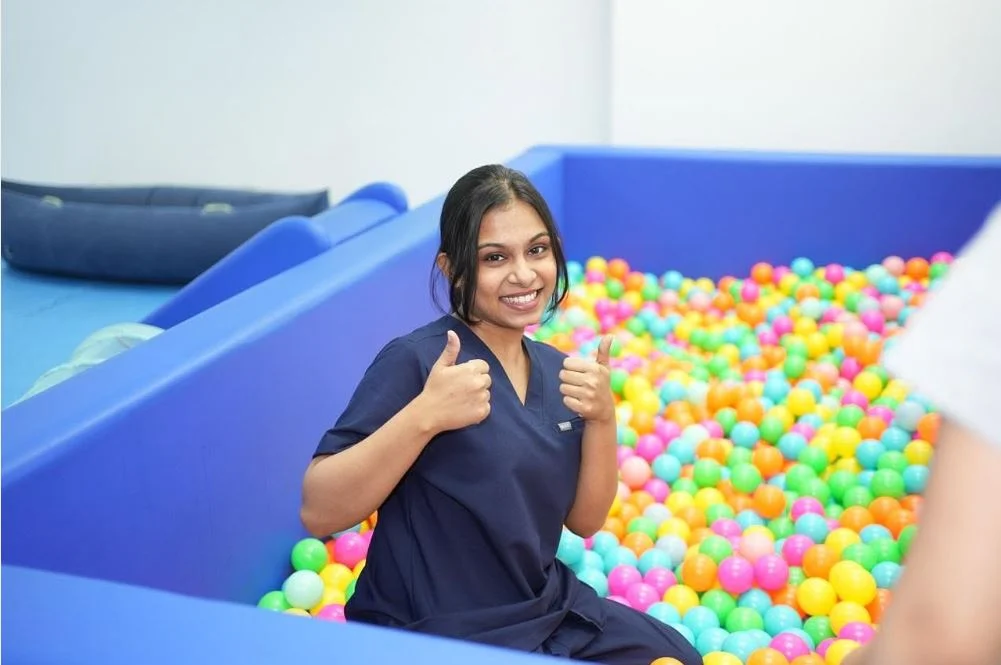
Saona M Siddiq: Supporting Meaningful Independence
Saona holds a Bachelor’s Degree in Occupational Therapy from Manipal College of Health Professions. Her experience spans paediatric intervention, hospital, and community settings, supporting children with a range of developmental and learning needs.
Her work focuses on functional independence, sensory processing, and developmental skills. Through assessment and individualised therapy planning, Saona connects therapeutic activities with practical goals that matter to each child and family.
She also works closely with caregivers, educators, and other therapists, helping adults understand how to support a child’s progress beyond the therapy session.
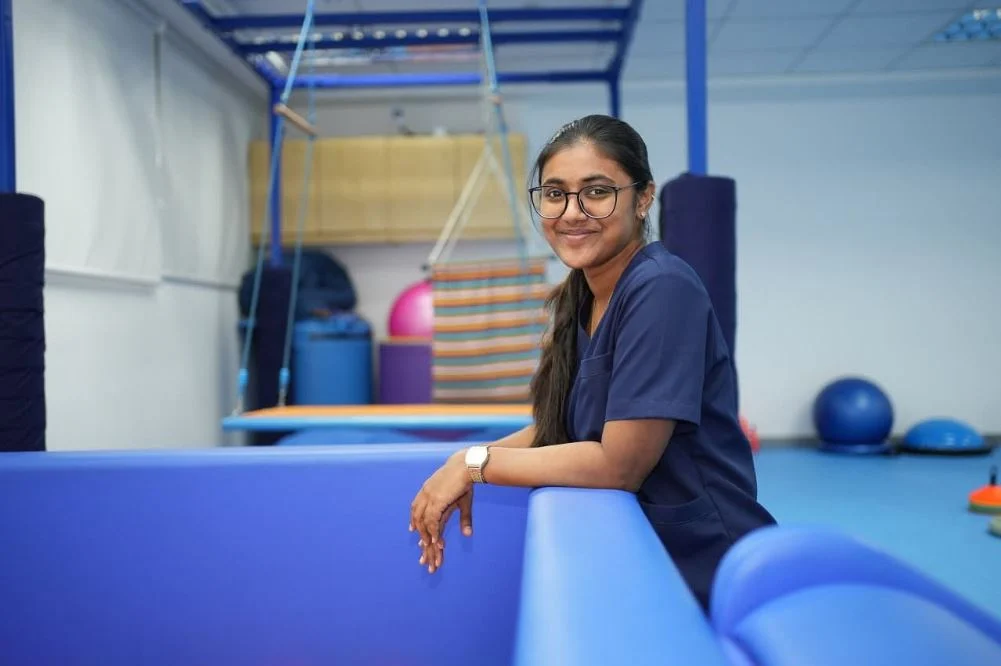
Mariyam Lamiya: Connecting Therapy with Everyday Life
Mariyam holds a Bachelor of Occupational Therapy from Manipal College of Health Professions. Her experience includes supporting children with autism, ADHD, cerebral palsy, Down syndrome, sensory processing difficulties, and developmental delays.
Her areas of practice include motor development, sensory integration, daily living skills, and visual perceptual skills. She brings a family-centred approach to therapy, working with parents and educators to make goals relevant to children’s everyday routines.
Whether supporting school readiness, hand skills, or greater independence in personal care, Mariyam helps children practise skills with a clear purpose.
How Occupational Therapy Supports Children
For children, meaningful daily activities include playing, learning, getting dressed, eating, and connecting with others. Occupational therapy considers the skills a child needs, the demands of an activity, and the environment in which it happens.
At OrbRom Center, support is tailored to each child’s assessed needs and family priorities. Areas of support may include:
Sensory Processing and Self-Regulation
Some children find noise, touch, movement, or busy surroundings difficult to manage. Others seek additional sensory input to feel ready to participate.
Our occupational therapists explore how these needs affect daily life and develop practical strategies to support comfort, regulation, and engagement. This may involve adapting an environment, introducing movement opportunities, or helping families establish manageable routines.
Fine Motor Skills and Handwriting Readiness
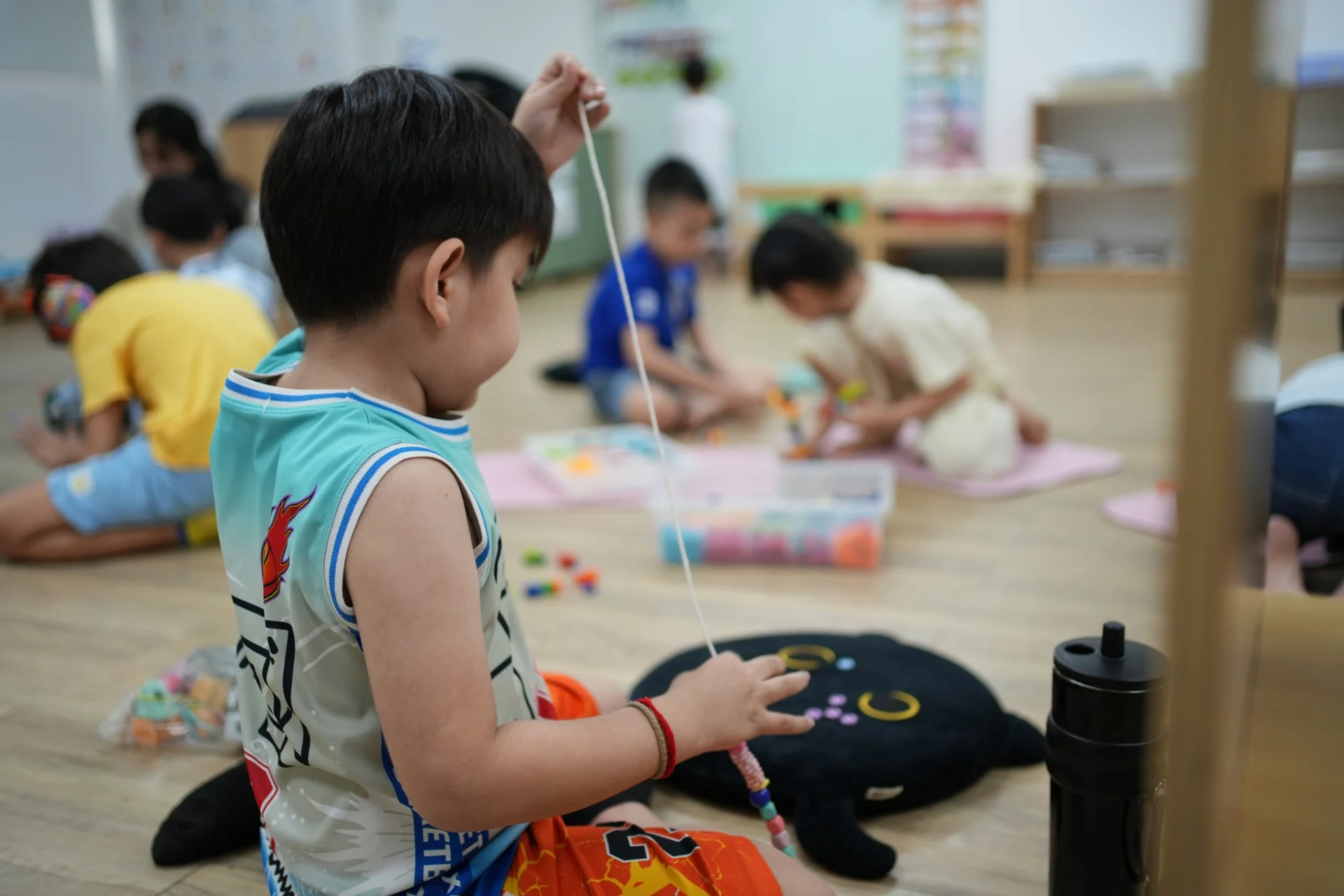
Using scissors, manipulating small objects, managing fastenings, and writing all involve coordinated hand skills.
Therapy may address hand strength, coordination, visual motor skills, and posture through purposeful activities. Goals focus on helping children participate more comfortably and independently in classroom and everyday tasks.
Daily Living Skills
Getting dressed, using utensils, washing hands, and managing belongings are important steps towards independence.
Our therapists break activities into achievable steps, adapt tasks where helpful, and guide caregivers in providing support that can gradually reduce as a child develops confidence and skill.
Play, Movement, and School Participation
Play provides opportunities to practise balance, coordination, planning, problem-solving, and interaction.
Occupational therapy can also support the routines that help children access learning, such as organising materials, moving between activities, and participating in classroom tasks. Recommendations are shaped around the child’s strengths and the challenges they experience in their own setting.
Working Together with Families and Schools
A therapy goal becomes especially meaningful when it helps a child in daily life. That is why collaboration is central to our approach.
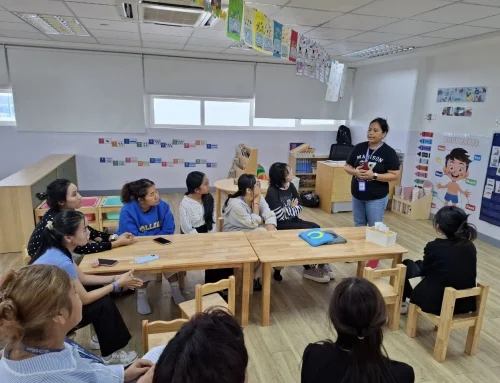
Our occupational therapists work alongside families, teachers, speech therapists, and educational intervention staff to share strategies and support consistent opportunities for practice. Parents’ priorities and teachers’ observations help connect therapy with what happens at home and school.
Progress looks different for every child. It might mean needing fewer prompts to complete a routine, trying an unfamiliar play activity, or taking part in a lesson with greater comfort. Each achievement matters because it expands a child’s opportunities to participate.
Thank You to Our OT Team
On World Occupational Therapy Day, we thank Saona and Mariyam for their thoughtful planning, patience, and dedication to the children and families at OrbRom Center.
We also celebrate our families and school partners, whose collaboration helps children practise new skills and build on their progress.
Participation matters—and every child deserves opportunities to learn, play, connect, and grow.
To learn more about occupational therapy for children in Phnom Penh, contact OrbRom Center on 077 455 993 to discuss your child’s needs and our assessment and therapy options.
We are the only Preschool specialized on children with special needs in PhnomPenh.
| Included therapy sessions per month: |
| – Speech Therapy – 4 sessions / month |
| – Occupational Therapy – 4 sessions / month |
| – Free pre-enrollment assessment |
| – Individualized Learning Plans (ILPs) |
📞 Phone: 077.455.993
Telegram Link: https://t.me/OrbRom

Leave A Comment