
What is sensory integration therapy?
Sensory integration therapy refers to occupational therapy approaches intended to address difficulties responding to touch, sound, movement and body-position information. A child may find hair washing distressing, avoid a noisy classroom or seek frequent movement. An assessment should identify which daily activities are affected before selecting an intervention.
This type of therapy is often used for children with autism spectrum disorder (ASD), sensory processing disorder (SPD), and other developmental delays. It focuses on improving the way the brain processes and responds to sensory input, enabling better engagement in daily activities.
What Is Sensory Integration?
Sensory integration refers to how the nervous system receives, organizes, and responds to sensory information from the environment. This includes touch, sound, movement, and body position. For most people, this process happens naturally, but some children have difficulty making sense of sensory input, leading to challenges in motor skills, focus, and emotional regulation.
How does sensory integration therapy work?
An occupational therapist may use graded movement or tactile activities and adapt the environment to the child’s needs. The therapist should explain the functional target, such as participating in grooming or navigating a playground, and monitor whether the approach helps in everyday routines. Not every child needs sensory-focused treatment.
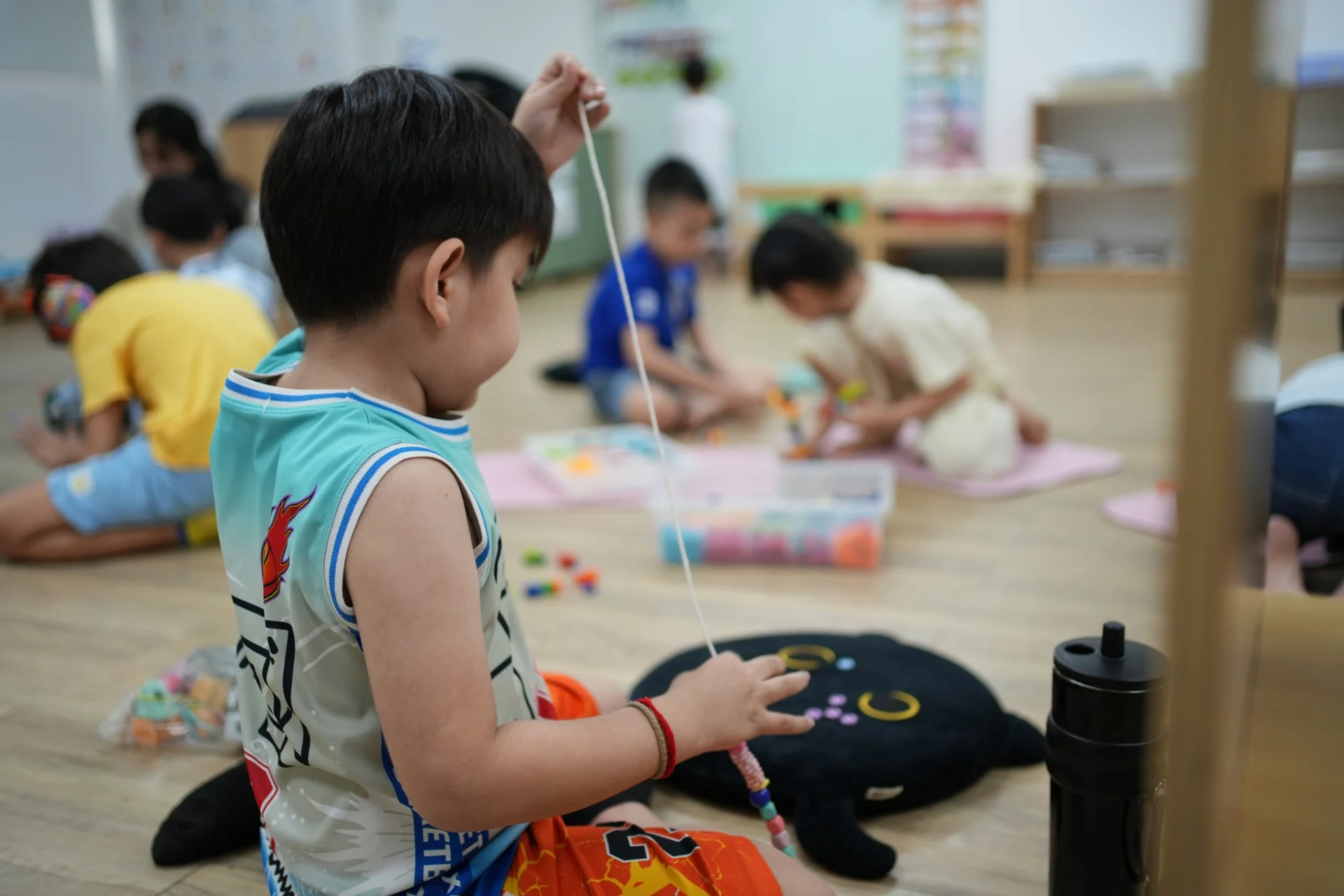
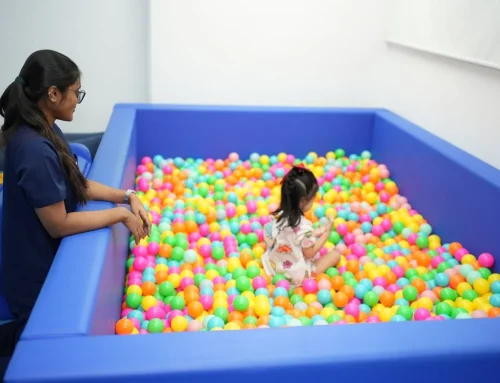
Sensory Integration Therapy involves structured activities guided by a trained occupational therapist. The sessions often feel like play but are designed to challenge and stimulate the child’s senses in a controlled and safe environment.
Key techniques include:
- Swinging and Spinning Activities – Improves balance and spatial awareness.
- Deep Pressure Stimulation – Provides calming input to reduce sensory overload.
- Tactile Play – Uses materials like sand, slime, or textured objects to enhance touch sensitivity.
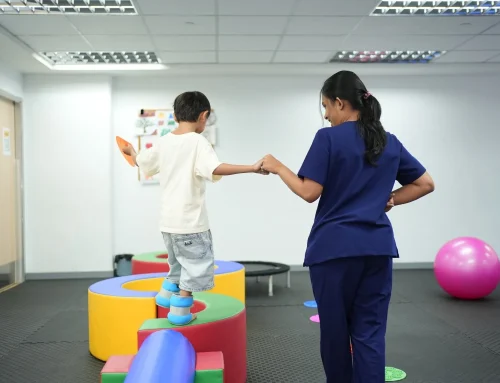
- Proprioceptive Activities – Includes climbing, pushing, or pulling to improve body awareness.
- Vestibular Input – Incorporates movement exercises to develop coordination and balance.
What does the evidence say about sensory integration therapy?
Research findings differ across sensory approaches and populations. Specific outcomes should not be guaranteed, and broad claims that sensory activities automatically improve attention, emotional regulation or social interaction are not established for every child. Families should ask what evidence supports the proposed method and whether practical accommodations might be more useful.
Research on sensory integration approaches has varied findings, and outcomes depend on the intervention, child and goals assessed. Families should ask which daily activities therapy aims to improve, how progress will be measured and whether environmental adjustments or other supports are also needed. Sensory processing disorder is not a standalone DSM-5-TR diagnosis.
- Improved Focus and Attention – Helps children manage distractions and stay engaged.
- Better Emotional Regulation – Reduces anxiety and frustration caused by sensory overload.
- Enhanced Motor Skills – Builds strength, coordination, and balance for daily activities.
- Increased Social Interaction – Encourages participation in group activities and peer play.
- Greater Independence – Supports skills needed for dressing, eating, and self-care tasks.
Is Sensory Integration Therapy Right for Your Child?
Children who display signs of sensory processing challenges, such as sensitivity to light, noise, or touch, may benefit from this therapy. It is particularly helpful for children who avoid certain textures, struggle with coordination, or have difficulty sitting still. An occupational therapist can assess whether sensory integration therapy is a good fit.
When to consider occupational therapy in Phnom Penh
Seek an occupational therapy assessment when sensory responses regularly interfere with dressing, feeding, school participation or play. The plan should identify measurable goals and involve caregivers and teachers. Learn about occupational therapy at OrbRom Center.
At OrbRom Center, we offer sensory integration therapy as part of our occupational therapy services. Our trained specialists create individualized plans to meet each child’s unique sensory needs. In addition, we provide speech therapy and developmental assessments to ensure holistic support for children with special needs.
We are the only Preschool specialized on children with special needs in PhnomPenh.
| Included therapy sessions per month: |
| – Speech Therapy – 4 sessions / month |
| – Occupational Therapy – 4 sessions / month |
| – Free pre-enrollment assessment |
| – Individualized Learning Plans (ILPs) |
📞 Phone: 077.455.993
Telegram Link: https://t.me/OrbRom