
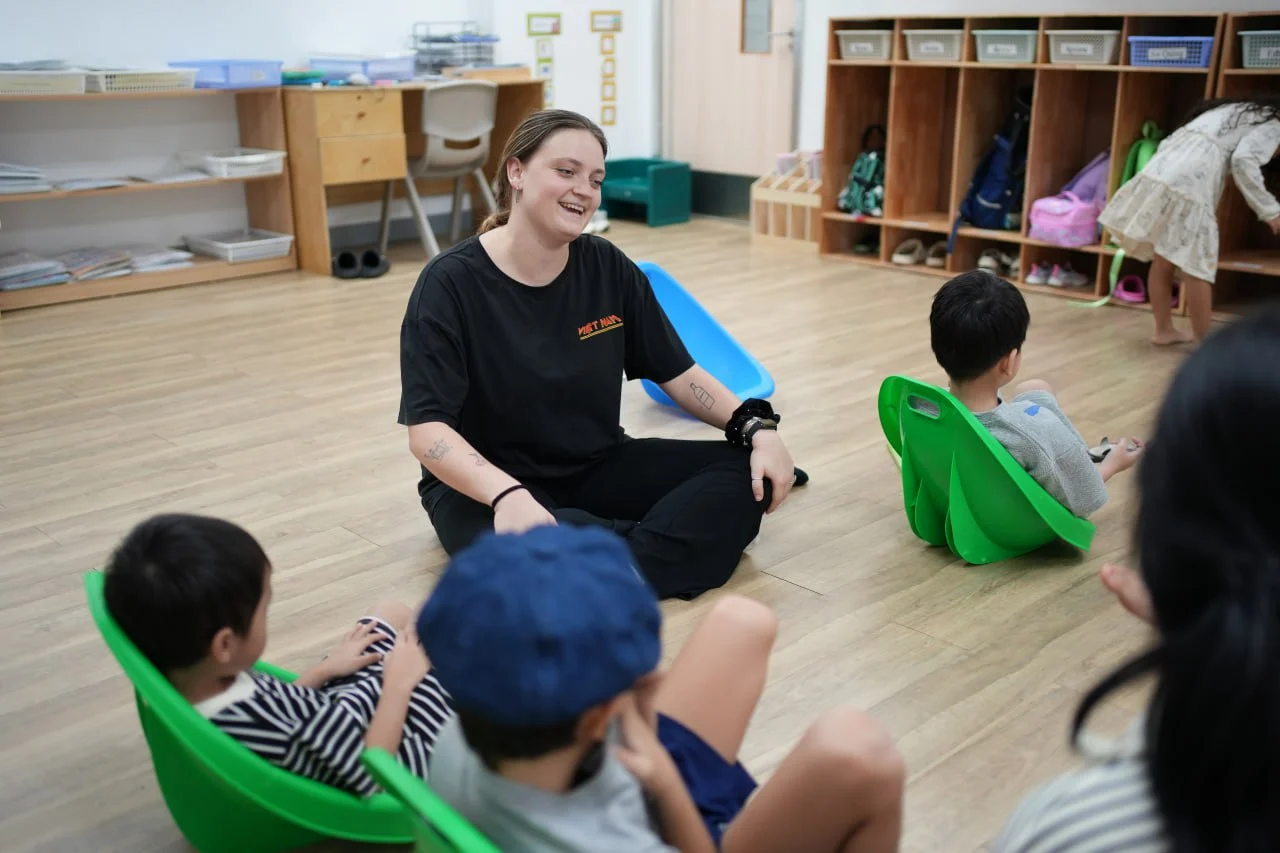
Children naturally seek movement as part of their development, but for some children with autism, ADHD, sensory processing challenges, or developmental delays, movement is more than play. It helps them regulate emotions, improve focus, and organize sensory input. A sensory rocking chair can provide calming vestibular input while supporting attention, balance, and body awareness.
The Sensory Rocking Chair offered by OrbRom Center is becoming increasingly popular among parents, therapists, and schools looking for practical sensory tools that support self-regulation and engagement in learning activities.
Unlike standard chairs, a sensory rocking chair allows children to gently rock, move, and shift their bodies while remaining seated. This movement can help children who struggle with restlessness, sensory seeking behaviors, or difficulty maintaining attention during tasks.
Why Movement Matters for Sensory Regulation
A sensory rocking chair for children offers seated movement that some children enjoy. Movement preferences vary, and a rocking chair is not a proven treatment for attention difficulties or emotional regulation. Before choosing one, consider the child’s balance, mobility, sensory preferences and the activities they need to participate in.
Many neurodivergent children process movement differently. Some constantly seek movement because it helps their nervous system feel more organized and alert. Others may struggle with balance, coordination, or body awareness.
Vestibular input, which comes from movement and balance activities, plays a major role in:
- Attention and concentration
- Emotional regulation
- Body awareness
- Coordination and balance
- Postural control
Children who frequently spin, jump, rock, or fidget may actually be seeking vestibular sensory input to help regulate themselves.
Parents who want to understand sensory processing in more depth can explore sensory processing challenges in children and the link between sensory processing and behavior in children with autism.
How a Sensory Rocking Chair Helps
Use a stable chair appropriate to the child’s size, with adult supervision and sufficient clearance from walls and furniture. Check for tipping and finger-trap hazards. Offer the child a choice and stop if movement causes discomfort or dizziness. Avoid using a chair to require prolonged sitting or as a substitute for needed movement breaks.
A sensory rocking chair provides controlled movement in a safe and structured way. Instead of constantly leaving their seat, some children are able to stay more engaged because their sensory needs are partially met through movement.
Benefits may include:
- Improved focus during learning tasks
- Better emotional regulation
- Reduced fidgeting
- Increased body awareness
- Support for core strength and balance
- Calming sensory input
Some children use rocking chairs during reading, homework, therapy sessions, or quiet activities. Others benefit from movement breaks throughout the day.
For children who become overwhelmed by noise or busy environments, sensory supports are often most effective when combined together. Some families pair rocking chairs with noise-cancelling headphones or calming tools such as a weighted sensory blanket.
Not Every Child Has the Same Sensory Needs
Rocking movement may feel comfortable to some children and unpleasant or overstimulating to others. Introduce movement gradually, provide stable seating and adult supervision, and stop if the child becomes dizzy or distressed. Evaluate the chair by whether it helps the child participate in a specific activity, not by assuming that movement always improves focus.
One of the biggest mistakes parents make is assuming every sensory tool works for every child. Some children benefit greatly from movement-based sensory supports, while others may become overstimulated.
This is why observation and individualized support are important. The goal is not simply to keep a child busy but to help them regulate their nervous system in a healthy and functional way.
Signs that a child may benefit from movement-based sensory supports include:
- Constant rocking or movement seeking
- Difficulty sitting still
- Frequent crashing or jumping
- Poor balance or coordination
- Emotional dysregulation during seated activities
- Trouble focusing during school tasks
When to Seek Professional Support
Track whether a chair helps the child participate in a specific routine, such as reading or a short classroom task, without compromising safety. An occupational therapist can assess whether movement equipment is appropriate and recommend alternatives. Learn about occupational therapy at OrbRom Center.
If sensory difficulties are affecting school participation, emotional regulation, sleep, or daily routines, professional guidance may help.
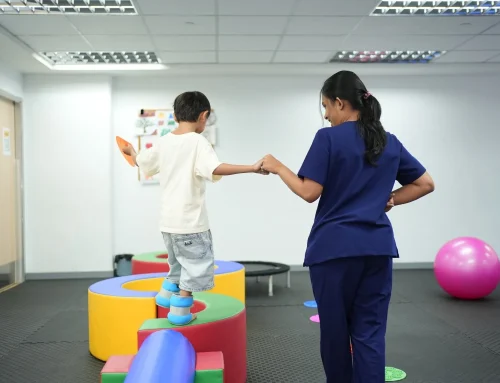
Occupational therapy at OrbRom Center supports children with sensory processing, fine motor skills, attention, coordination, and self-regulation through individualized therapy plans and sensory integration strategies.
In some cases, developmental assessments can help identify underlying sensory, learning, or developmental challenges that may be impacting the child’s functioning at home or school.
As awareness of neurodiversity and sensory processing continues to grow in Cambodia, more families are discovering that practical sensory tools can significantly improve daily life. A sensory rocking chair is not simply a toy. For many children, it becomes an important tool for movement, regulation, focus, and confidence.
We are the only Preschool specialized on children with special needs in PhnomPenh.
| Included therapy sessions per month: |
| – Speech Therapy – 4 sessions / month |
| – Occupational Therapy – 4 sessions / month |
| – Free pre-enrollment assessment |
| – Individualized Learning Plans (ILPs) |
📞 Phone: 077.455.993
Telegram Link: https://t.me/OrbRom
Leave A Comment