
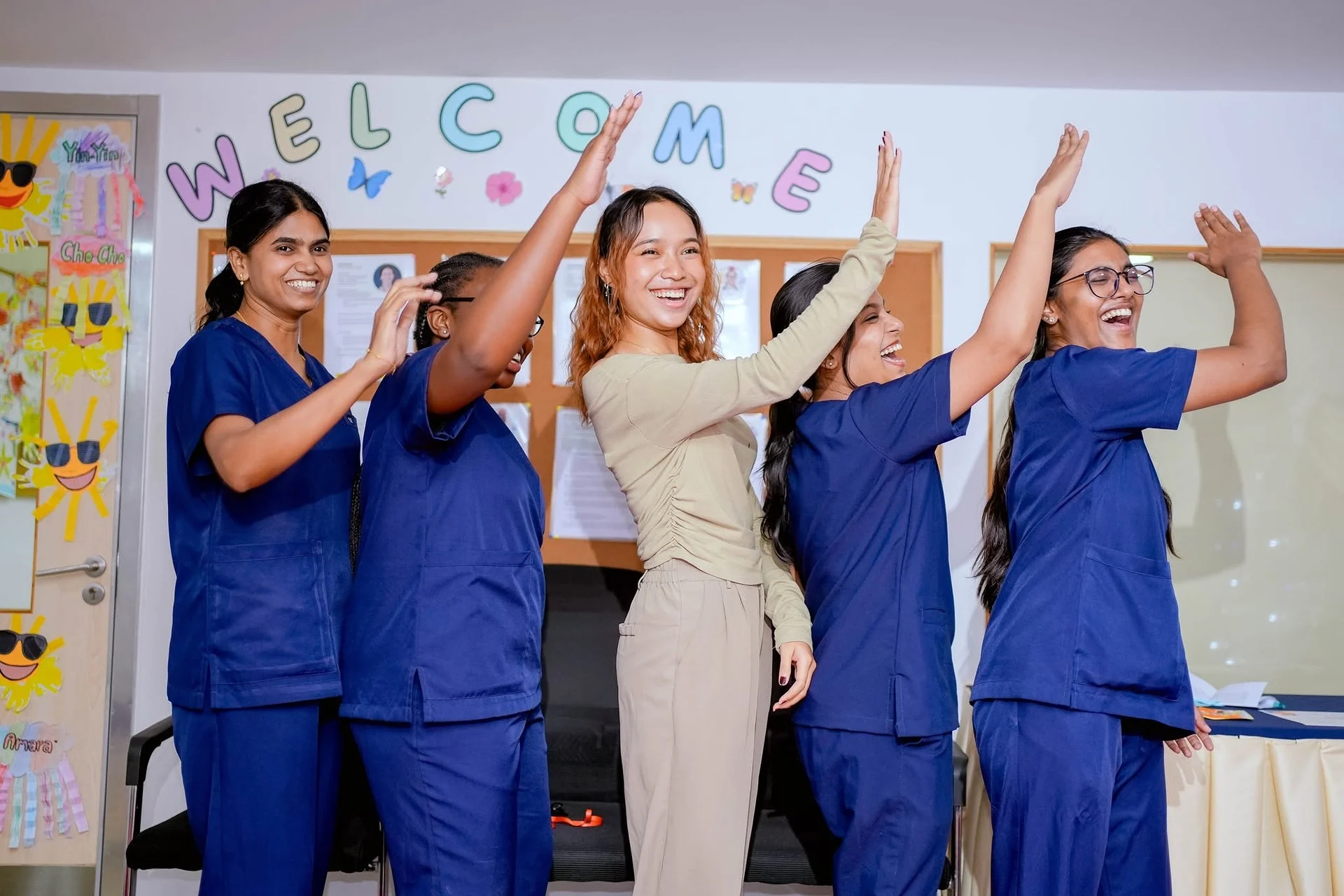
A coordinated special education team helps children receive consistent support across learning, communication, and daily activities. When educators and therapists share clear goals, they can adapt strategies to a child’s needs and make classroom routines more predictable. At OrbRom Center in Phnom Penh, multidisciplinary collaboration supports individualized planning and communication with families.
Why collaboration matters in special education
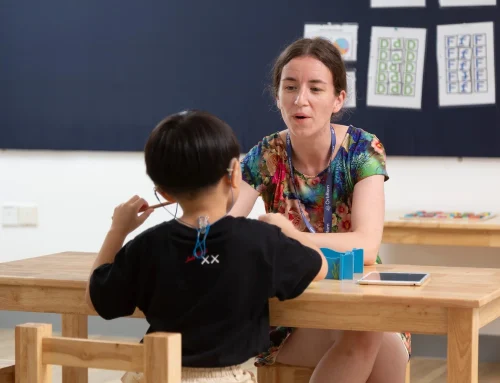
Children may need support in several areas at the same time. A child who finds classroom instructions difficult might also need help with language comprehension, attention, or sensory regulation. These needs can overlap, making communication between professionals important. Special education teachers can identify learning priorities, speech-language therapists can address communication, and occupational therapists can consider participation in daily tasks. Each professional brings a different perspective, while shared goals help prevent fragmented support.
Setting meaningful goals for each child
Effective intervention begins with understanding a child’s strengths, current skills, and family priorities. Goals should describe what the child will learn or do in practical terms. For example, a communication goal might focus on requesting help during an activity, while a classroom goal might address following a visual routine. Professionals can agree on the prompts, materials, and opportunities needed to practise these skills. Goals should be reviewed as the child develops and new information becomes available.
Consistency between therapy and the classroom
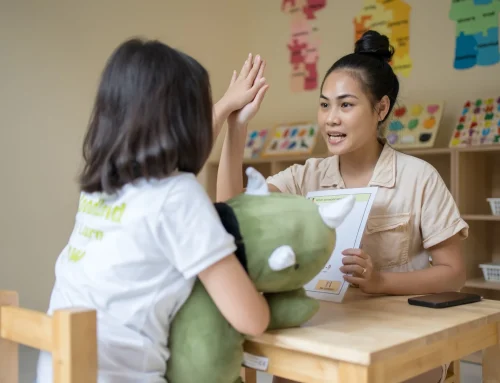
Children often need repeated opportunities to use emerging skills in different environments. A strategy introduced during a therapy session may be easier to practise when classroom staff understand how it works. Visual supports, simple instructions, predictable transitions, and communication choices can be used across activities when appropriate. Staff should observe whether a child uses a skill independently, with prompting, or only in a familiar setting. This distinction helps the team decide what to teach next.
Communication with parents and caregivers
Families contribute information that cannot always be observed in a center or classroom. They may notice how a child communicates at home, responds to changes in routine, or manages everyday tasks. Regular conversations allow staff and parents to compare observations and agree on realistic priorities. Feedback should be specific: what the child attempted, what assistance was provided, and what changed over time. This makes progress reports more useful than broad statements about improvement.
Professional teamwork and a supportive environment
A supportive workplace also depends on respectful communication among colleagues. Teachers and therapists benefit from opportunities to exchange observations, discuss challenges, and clarify responsibilities. Team meetings can focus on practical decisions, such as adjusting an activity or identifying who will monitor a particular goal. A positive team culture does not replace professional training or evidence-based practice, but it can make coordination more reliable and responsive.
How families can evaluate a support program
Parents choosing a special education center can ask how children are assessed, who develops learning goals, and how progress is documented. It is also useful to ask how therapists and teachers communicate, whether families receive recommendations for home, and how plans change when a strategy is not working. Clear answers help parents understand the support their child will receive and their own role in the process.
Individualized support at OrbRom Center
OrbRom Center provides one-on-one special education intervention, speech therapy, occupational therapy, and an early learning preschool program in Phnom Penh. Families can contact the center to discuss developmental concerns, assessment options, and individualized educational support.

Leave A Comment