
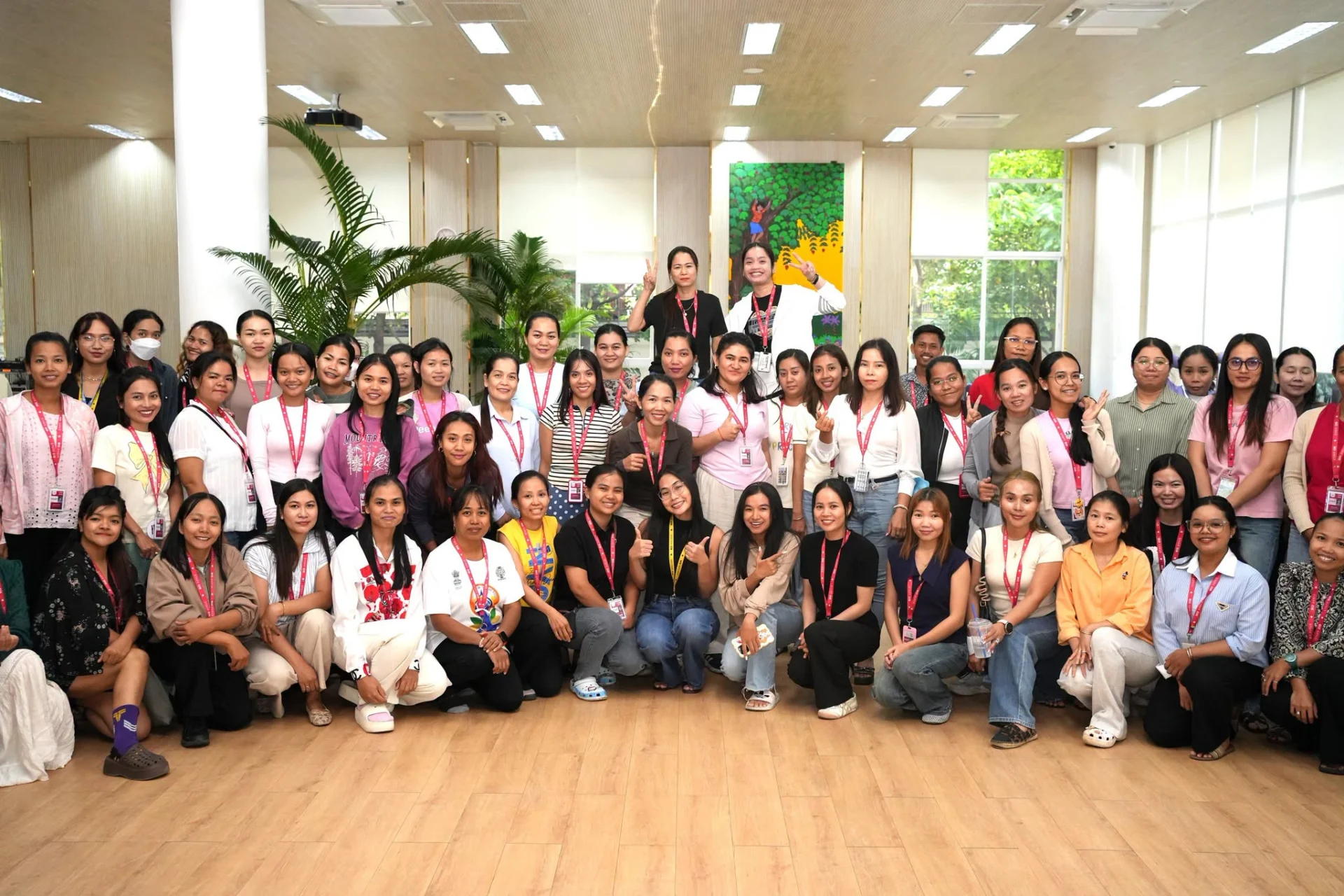
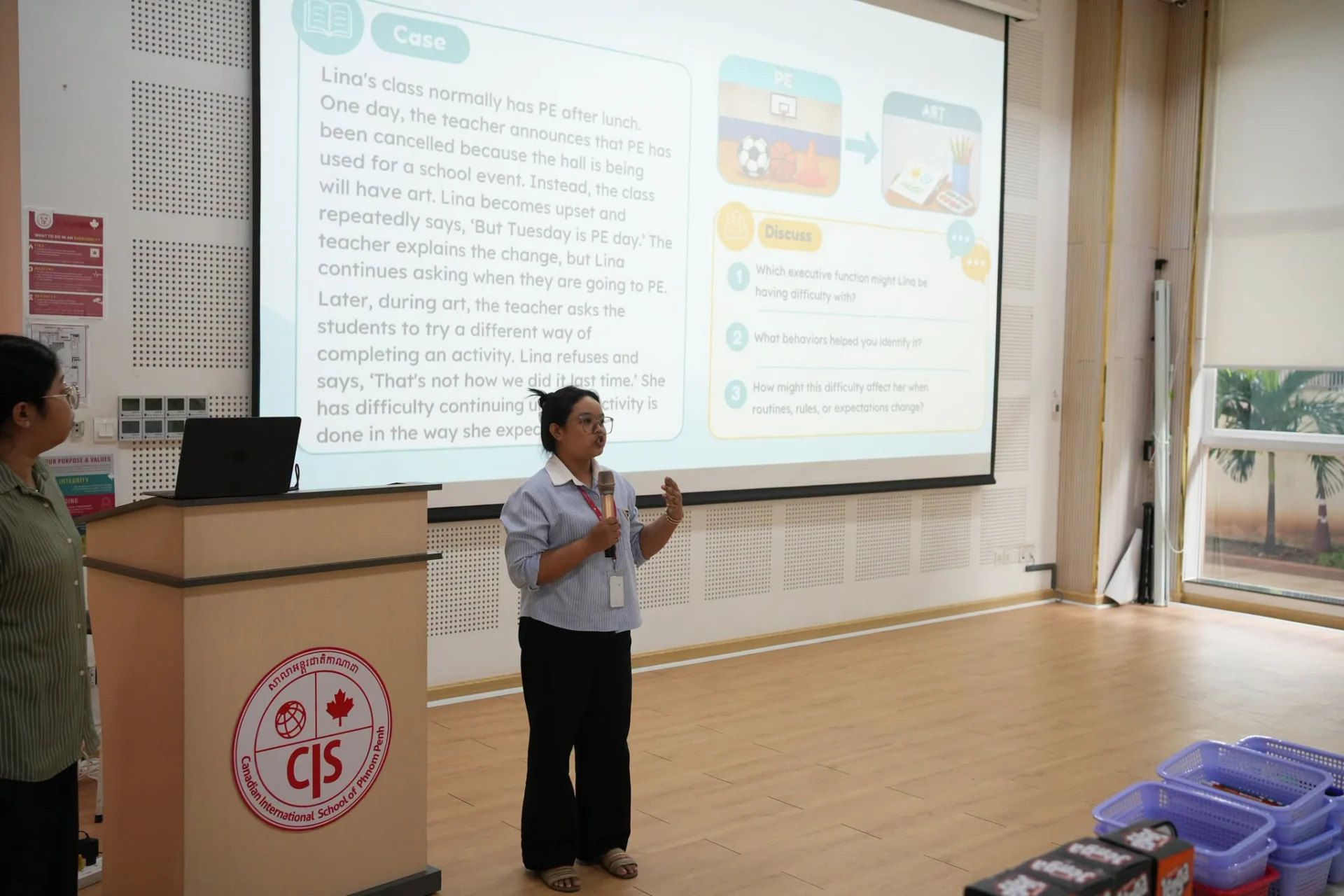
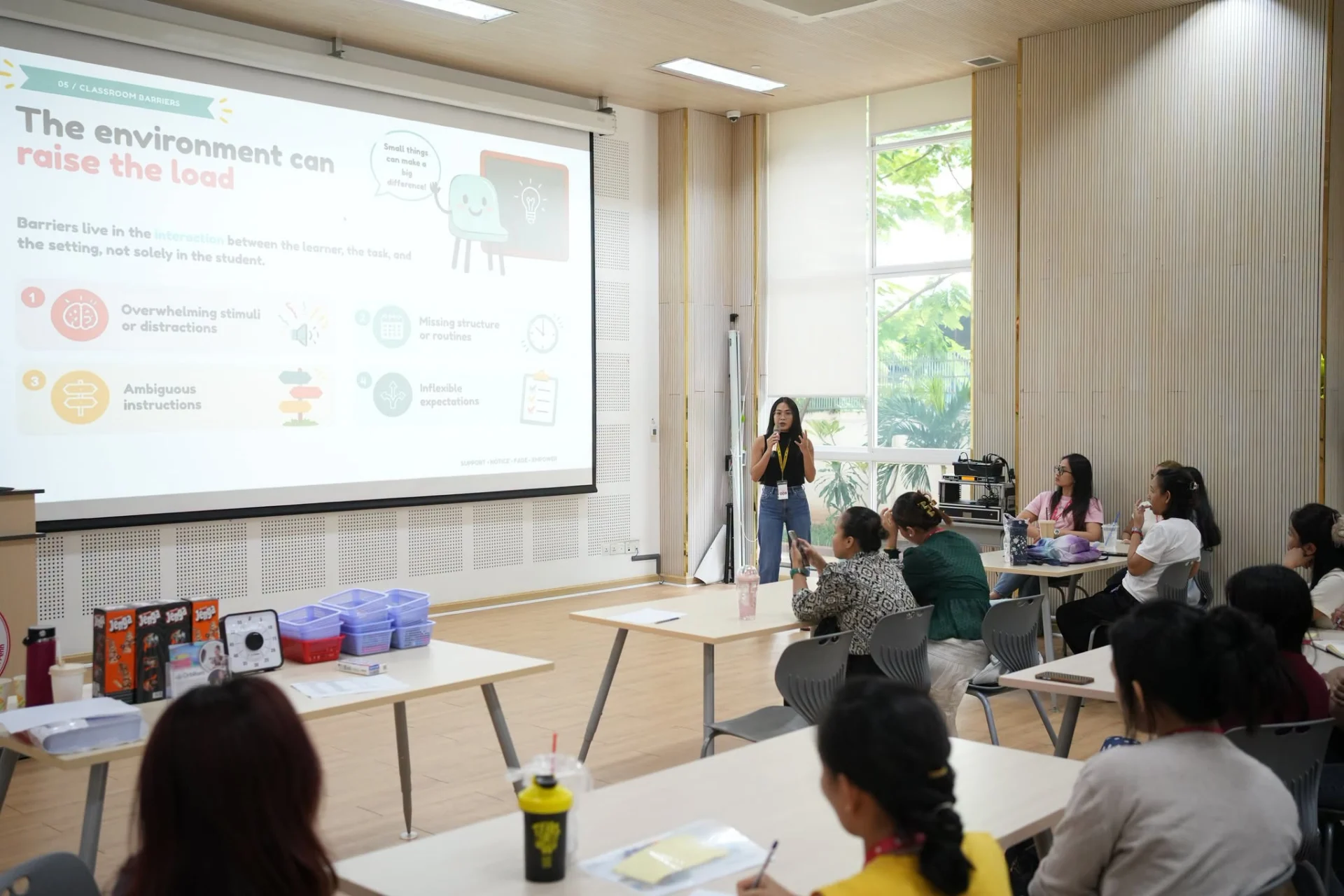
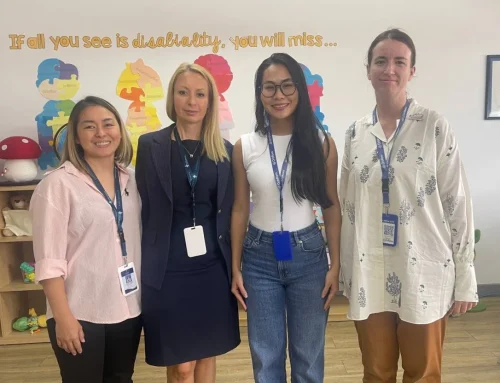
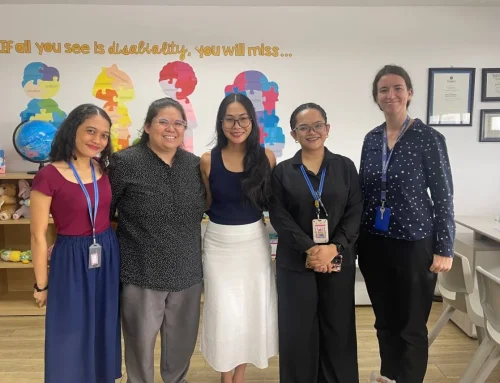
On October 8, 2026, OrbRom Center had the pleasure of delivering a professional development workshop for more than 70 participants at Canadian International School of Phnom Penh, our valued friends and partners.
The session, “Supporting Executive Functioning and Student Independence,” explored practical ways to help students participate in classroom activities, manage everyday learning tasks, and develop greater independence.
Supporting Executive Functioning in the Classroom
The workshop explored five key areas of executive functioning: working memory, cognitive flexibility, inhibitory control, planning, and organization.
These skills support everyday classroom activities, including remembering instructions, preparing materials, waiting for a turn, starting tasks, and adjusting to changes in routine.
Participants considered how difficulties in these areas can affect learning and participation. A student who struggles to begin an activity, for example, may benefit from a clearer first step, a visual reminder, or additional processing time.
By understanding the demands of a task, educators can choose support that better matches the student’s needs.
Interactive Learning at Canadian International School of Phnom Penh
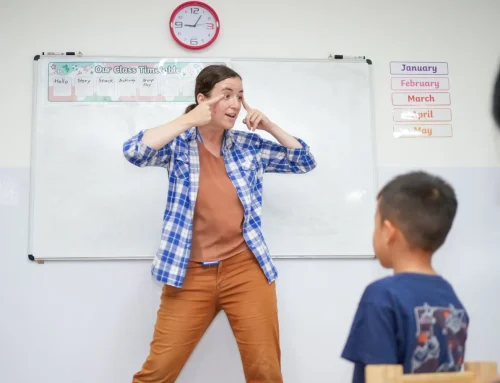
Through Jenga, classroom case studies, group discussions, and role play, participants explored executive functioning through hands-on experiences.
These activities encouraged participants to reflect on classroom challenges, exchange ideas, and practise different approaches to supporting students. Discussions also explored how adult instructions, expectations, and prompts can influence a student’s ability to complete a task independently.
The contributions from participants at Canadian International School of Phnom Penh helped connect the workshop’s ideas to everyday classroom situations.
Practical Strategies to Support Student Independence
The session highlighted strategies that educators and teaching assistants can adapt to individual students:
- Give clear instructions: Use simple language and manageable steps.
- Provide visual supports: Make routines and expectations easier to follow through pictures, schedules, and checklists.
- Break tasks into smaller steps: Help students identify where to begin and what comes next.
- Allow processing time: Give students time to understand instructions and respond.
- Prepare for transitions: Explain upcoming changes and provide reminders before moving to another activity.
- Gradually reduce prompts: Adjust adult support as students become more confident and capable.
For example, a visual checklist can help a student prepare materials for a lesson. Initially, an adult may guide the student through the checklist. As the routine becomes familiar, the adult can step back and give the student more opportunities to use it independently.
Helping Students Do More for Themselves
A central message of the workshop was the importance of gradually reducing adult prompts.
Thoughtful support gives students access to learning while creating opportunities to practise their own skills. Educators can observe what a student can already do, identify where help is needed, and adjust their support accordingly.
Small changes in how tasks are explained and organized can create more opportunities for students to make choices, solve problems, and take responsibility for their learning.
Connecting Classroom Strategies With Individual Support
OrbRom Center values collaboration between families, schools, teachers, and therapists. Alongside classroom strategies, some children benefit from individualized services that address their specific learning and developmental needs.
Our Special Needs Intensive Intervention provides personalized one-on-one support for communication, social skills, and academic readiness.
Our Speech Therapy services support children with speech, language, and social communication needs.
Families and educators can also explore OrbRom Center’s services to learn about occupational therapy, assessments, and school visits.
Strengthening Our Partnership With Canadian International School of Phnom Penh
Thank you to Canadian International School of Phnom Penh for the warm welcome and continued collaboration. We also thank all participants for sharing their questions, ideas, and classroom experiences.
At OrbRom Center, we value these opportunities to work alongside our school partners, share practical approaches, and strengthen inclusive education in Phnom Penh.
To learn more about our services or discuss your child’s support needs, contact OrbRom Center on Telegram.
We are the only Preschool specialized on children with special needs in PhnomPenh.
| Included therapy sessions per month: |
| – Speech Therapy – 4 sessions / month |
| – Occupational Therapy – 4 sessions / month |
| – Free pre-enrollment assessment |
| – Individualized Learning Plans (ILPs) |
📞 Phone: 077.455.993
Telegram Link: https://t.me/OrbRom
Leave A Comment