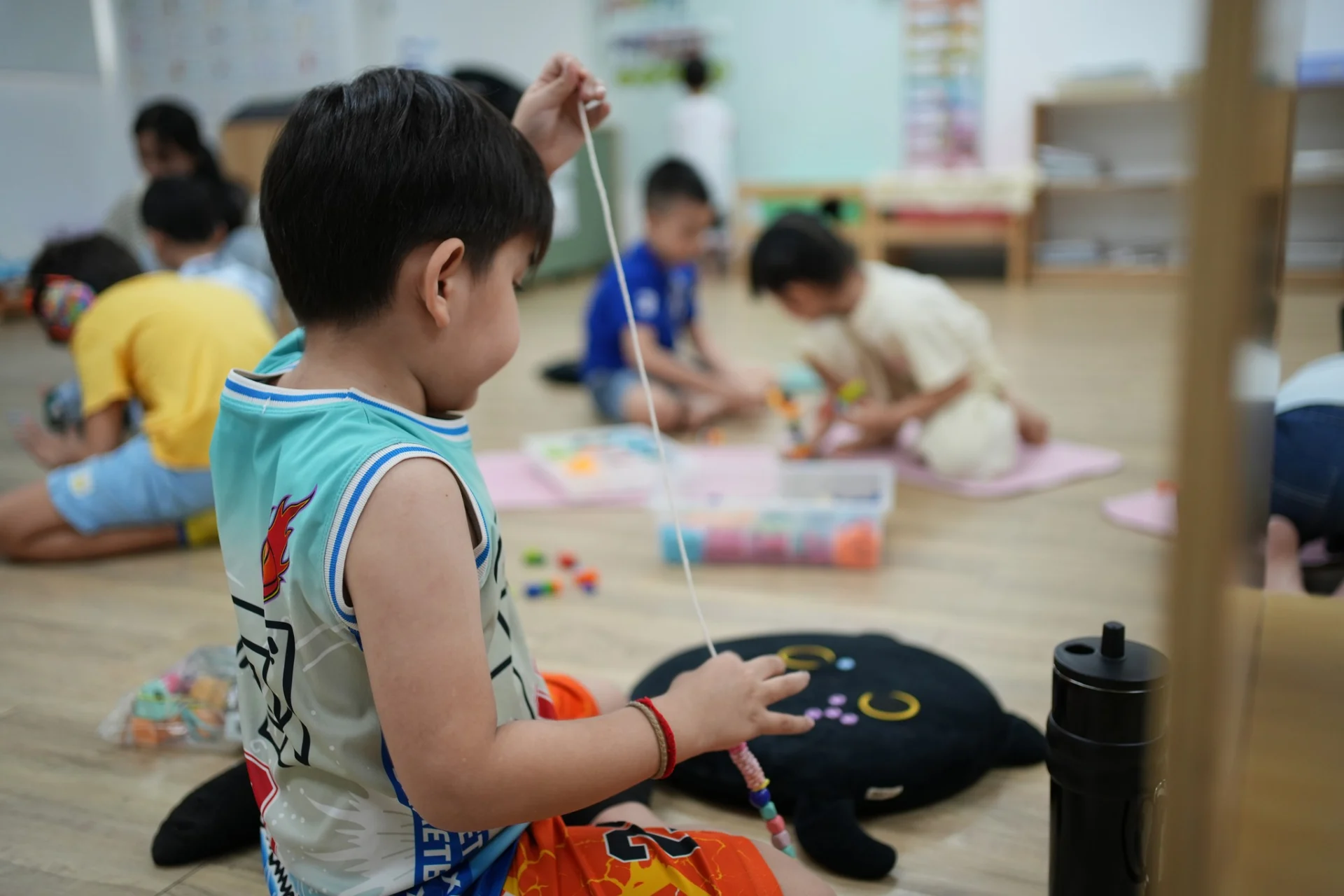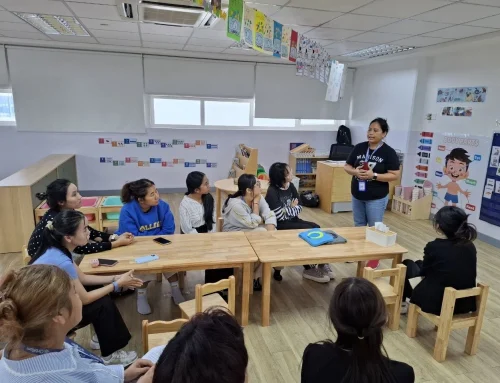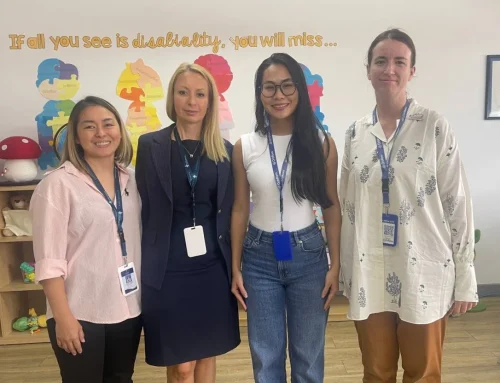

International Day of Education is not just a symbolic date on the calendar. It is a reminder that access to quality education is still uneven—and that learning needs look very different from one child to another. In Phnom Penh, more families are becoming aware that education is not only about attending school, but about whether a child can truly access learning in a way that matches their development.
For many children, challenges with attention, communication, emotional regulation, or learning skills can quietly block progress in the classroom. Without the right support, these challenges often appear as “behavior problems” or “lack of effort,” when in reality, the child needs a different approach.
Education is not equal if learning needs are ignored
A classroom can look inclusive on the surface, yet still exclude children whose learning profiles don’t fit a standard model. Children with speech delays, sensory processing differences, ADHD, or learning difficulties may struggle to follow instructions, express ideas, or keep up with academic expectations.
This is why International Day of Education is closely tied to inclusive education—education that adapts to the learner, not the other way around. Inclusive learning environments reduce frustration, improve engagement, and allow children to participate meaningfully instead of simply being present.
For parents wanting a clearer understanding of inclusive practices, this overview is useful:
Inclusive education environment
Special education in Cambodia
The role of early identification in real learning progress
One of the biggest barriers to effective education is delayed identification of a child’s needs. Many parents sense that something is “off” but hesitate to act—often hoping the child will catch up naturally. While that happens for some children, many others continue to struggle silently.
Developmental and educational assessments provide clarity. They identify how a child learns, where the gaps are, and what kind of support will make education accessible. At OrbRom Center, assessments are used to guide practical decisions—classroom strategies, therapy goals, and realistic expectations for both school and home.
Parents often find it helpful to understand what happens during this process:
What happens during an autism assessment
Developmental assessment guide
Supporting learning beyond the classroom
Education does not stop when the school day ends. Children learn through routines, play, communication, and daily interactions. When these experiences are aligned with a child’s needs, progress becomes more consistent and less stressful.
Simple adjustments—such as visual supports, structured routines, or individualized instruction—can significantly improve learning outcomes. Research-backed approaches, rather than generic advice, make the difference:
Evidence-based practices in special education
Individualized support is key
Making International Day of Education meaningful
International Day of Education should prompt action, not slogans. For families in Phnom Penh, that action may be asking one important question: Is my child truly able to access learning right now?
If the answer is unclear, starting with a professional assessment can prevent years of frustration and help children build confidence in their abilities. Education works best when it meets the child where they are—and grows with them.
OrbRom Center supports this approach through structured Developmental Assessments that guide families toward realistic, effective educational pathways.
We are the only Preschool specialized on children with special needs in PhnomPenh.
| Included therapy sessions per month: |
| – Speech Therapy – 4 sessions / month |
| – Occupational Therapy – 4 sessions / month |
| – Free pre-enrollment assessment |
| – Individualized Learning Plans (ILPs) |
📞 Phone: 077.455.993
Telegram Link: https://t.me/OrbRom