
Neurodiversity is a term used to describe the natural variation in human brains. It encompasses a wide range of conditions, including autism spectrum disorder, attention deficit hyperactivity disorder (ADHD), dyslexia, and Tourette syndrome.
People with neurodiversity often think, learn, and process information in different ways than neurotypical people. This can lead to strengths in some areas and challenges in others.
For example, people with autism spectrum disorder may be very good at pattern recognition and problem-solving, but they may have difficulty with social interaction. People with ADHD may be very creative and energetic, but they may have difficulty staying focused.
The concept of neurodiversity has been gaining traction in recent years, as people have come to appreciate the unique strengths and contributions of neurodiverse individuals.
There are many benefits to neurodiversity. For example, neurodiverse people are often very creative and innovative. They may also be very good at seeing the big picture and coming up with new solutions to problems.
In addition, neurodiverse people often have a strong sense of empathy and compassion. They may be able to connect with others on a deeper level, and they may be more understanding of people who are different.
Conclusion:
Neurodiversity is a beautiful thing. It is a reminder that there is no one right way to be human. We all have different brains, and that is what makes us special.
We need to create a world that is more inclusive and accepting of neurodiversity. We need to celebrate the strengths of neurodiverse individuals and create opportunities for them to thrive.
Neurodiversity, neurodivergence and individual support
Neurodiversity refers to variation in how human brains develop and function across a population. Neurodivergent is often used for individuals whose cognition or development differs from prevailing expectations, including some autistic people and people with ADHD or dyslexia. These terms do not erase disability or the need for practical accommodations.
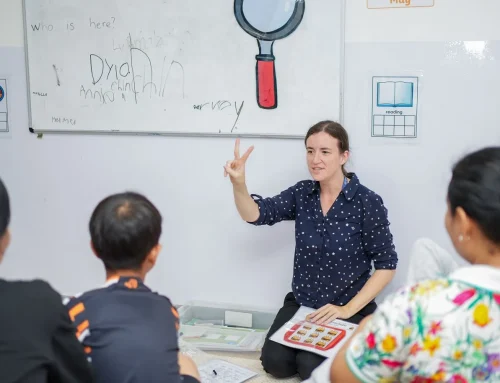
Useful support starts with a person’s strengths, preferences and barriers in a particular setting. In education, that can mean accessible instructions, flexible communication and explicit teaching. See teaching strategies for students with dyslexia.
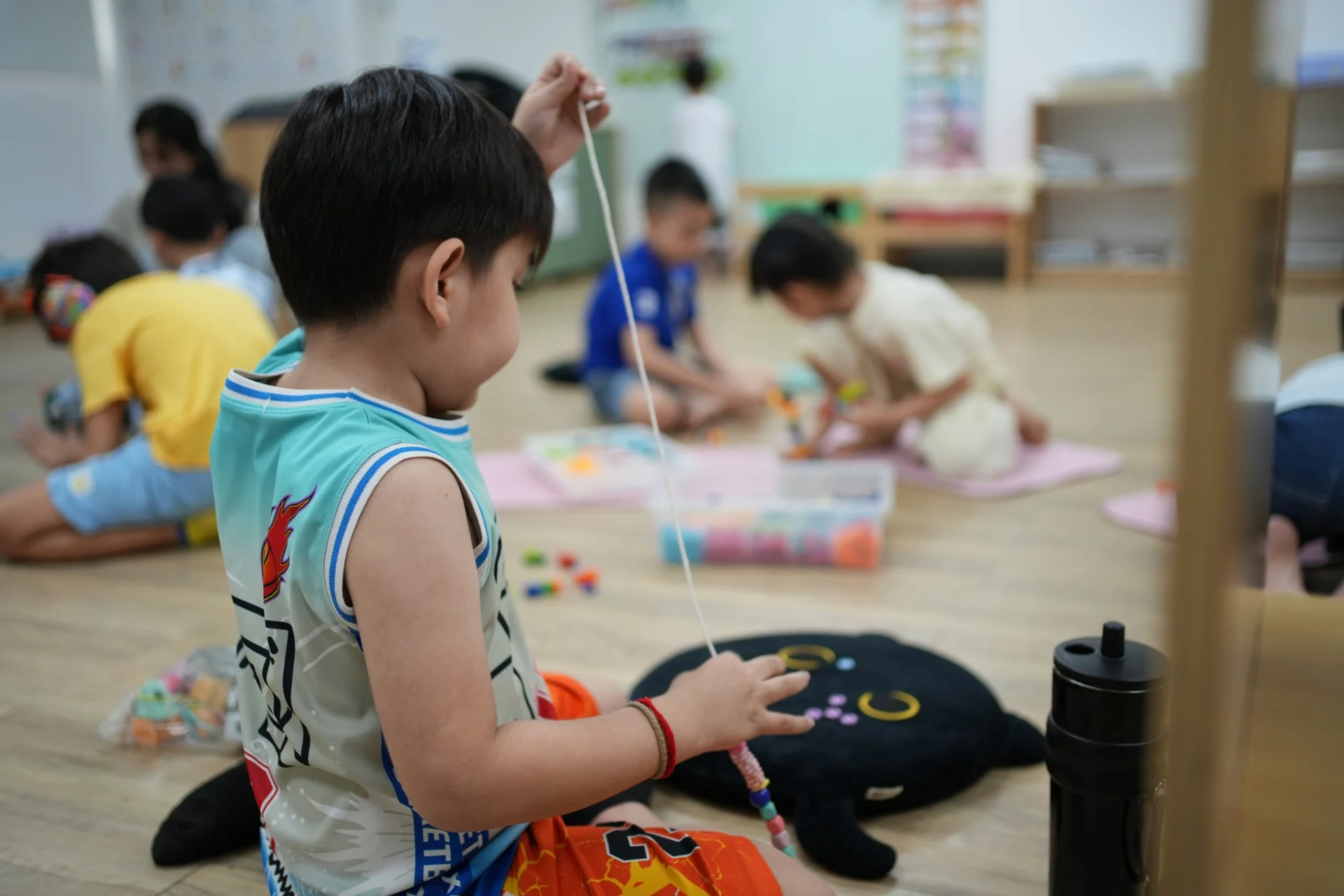
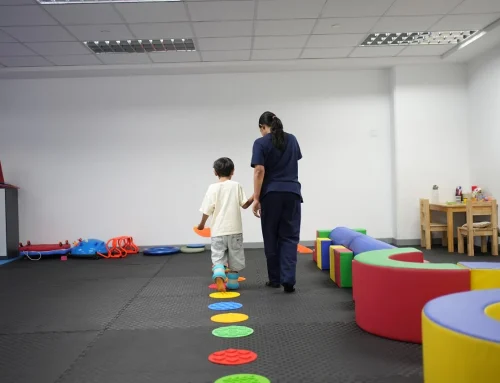
We are the only Preschool specialized on children with special needs in PhnomPenh.
| Included therapy sessions per month: |
| – Speech Therapy – 4 sessions / month |
| – Occupational Therapy – 4 sessions / month |
| – Free pre-enrollment assessment |
| – Individualized Learning Plans (ILPs) |
📞 Phone: 077.455.993
Telegram Link: https://t.me/OrbRom