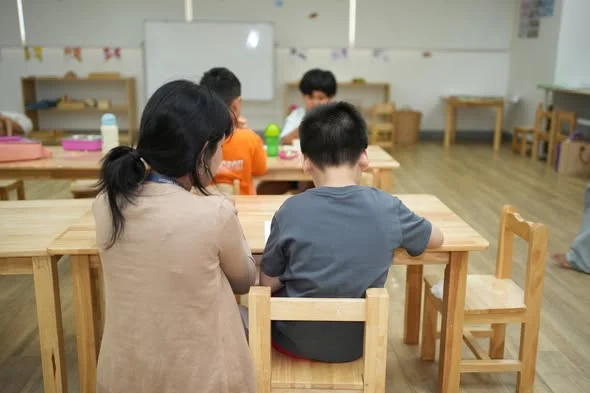

One-to-one teaching assistant support is often the difference between a child “getting through the day” and a child actually learning, connecting, and feeling safe at school. In Phnom Penh, more families and schools are choosing inclusive education—but inclusion only works when children receive the right support in the moment, not just good intentions on paper.
A strong Teaching Assistant (TA) doesn’t replace the teacher. They make the learning environment accessible—especially for children who need extra structure, coaching, or emotional regulation throughout the day.
What one-to-one teaching assistant support really looks like
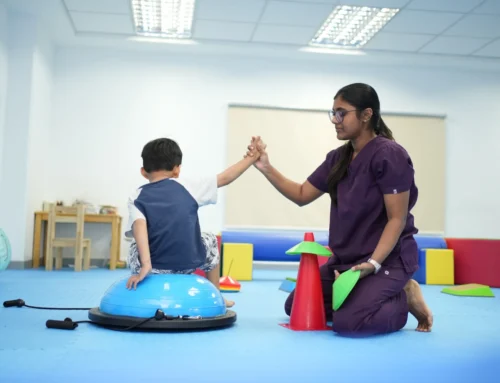
In inclusive classrooms, the biggest challenges often happen between lessons: transitions, waiting, group instructions, or unexpected changes. A skilled TA helps a child stay regulated and ready to learn by doing things like:
-
Previewing routines (“First writing, then break”) and using visual cues
-
Breaking tasks into steps so the child can start and finish independently
-
Reducing overwhelm with simple regulation strategies (movement, breathing, quiet space, sensory tools)
-
Coaching communication: helping the child ask for help, request a break, or join peers appropriately
-
Building confidence through consistent praise, clear boundaries, and predictable support
This is why one-to-one teaching assistant support is not just “extra help”—it’s targeted scaffolding that protects learning time and reduces stress for everyone in the classroom.
How TAs build independence (not dependence)
A common worry is: “If my child has a TA, will they become dependent?” Good support does the opposite.
A TA should fade prompts over time—moving from direct help to small cues, then to independence. This works best when the team uses clear goals and simple tracking. At OrbRom, we often align one-to-one support with practical frameworks that keep support purposeful, not permanent—especially when families and schools want measurable progress. (Related reading: Benefits of one-on-one teaching: undivided attention.)
When to consider assessment and intensive support
If a child needs frequent adult support to follow instructions, manage emotions, or participate with peers, it’s worth identifying why—language, attention, sensory processing, learning skills, or anxiety can all play a role.
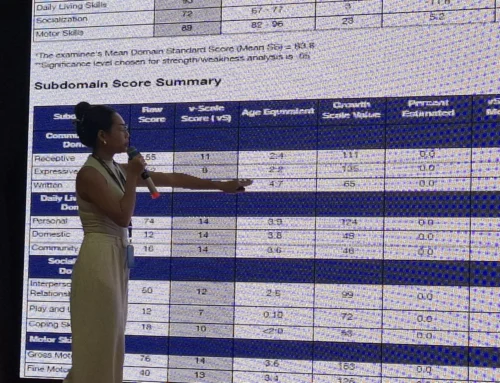
That’s where structured evaluation matters. OrbRom Center offers Assessments to clarify strengths and needs, and we can then match the child to a plan that fits real classroom demands. For children who need more intensive, individualized teaching to build core readiness skills, our Special Needs Intensive Intervention program can help accelerate progress in communication, regulation, learning behaviors, and independence.
The bottom line for schools and families
One-to-one teaching assistant support works best when it’s skilled, goal-driven, and coordinated with the teaching team. When done well, it helps children feel safe, stay engaged, and gradually do more on their own—while improving the learning environment for the whole classroom.
We are the only Preschool specialized on children with special needs in PhnomPenh.
- Internationally qualified teachers
- Cambodia’s largest sensory room
- Outdoor swimming pool
- Covered outdoor playground
📞 Phone: 077.455.993
Telegram Link: https://t.me/OrbRom